
Baby & Pediatric Chiropractor in Sea Girt, NJ (Near Wall Township)
Your trusted pediatric chiropractor and infant chiropractor in Sea Girt. Gentle, safe, neurologically focused care for babies, toddlers, and kids. Designed to support growth, sleep, feeding, airway, and development.
⭐⭐⭐⭐⭐ 1,200+ families helped across Monmouth & Ocean County
PX Docs · ICPA · Focus Academy Trained · Cranial & TMJ Expertise
 Excellent
5.0433 reviews
5.0Excellent433 reviewsPosted on Google
 Megan Doyle913 days agoAll the Doctors & staff at Absolute Chiropractic are AMAZING!!! They are so welcoming & make even the most nervous patient (me) feel so comfortable. I never wanted to go to a chiropractor, but once I met Dr. Anthony & Dr. Allie, I knew I was in the right place. My husband & I travel almost an hour just to see the team at Absolute Chiropractic.Posted on Google
 Makini Osson1039 days agoI instantly felt comfortable and well taken care of the very first moment I walked into the office. Very calming energy in there, the staff are wonderful. Dr. Anthony is genuinely passionate about this work. I searched specifically for a neuro-based chiropractor and Absolute Chiropractic was the stand out. There's no twisting or cracking; very different from my previous chiro experiences. Dr. Anthony uses a more modern, precise method that is very effective. I want to tell everyone to research what neuro-based Chiropractic can do for you, and visit Dr. Anthony. So many issues that are simply suppressed with meds can be healed by addressing the nervous system. 10/10, do recommend!Posted on Google
 Kori Seyffart626 days agoCan’t say enough positive things about this place and the people that work there. First off, everyone there is so kind. They walk you through everything from the eval and the hat goals you’d like to achieve through the adjustments. I started going in late pregnancy with my second — I was in agony and desperate for any kind of relief. Within 2 appts I noticed a complete difference! Highly recommend Absolute to anyone and everyone 😊Posted on Google
 Timber Talent Jason Parker794 days agoLike no other chiropractic experience. They are not setting bones but realigning your nervous system. Your bodies systems that were not working properly correct themselves. As a result of their treatment, I stopped taking my GERD medicine and anxiety medicine. My nervous system has come out of a dysregulated state and my body and mind feel the difference. I also had a partially dislocated SC joint (collar bone area) which was causing me pain and preventing me from sleeping. Slowly but surely Dr. Allie has put that bad boy back in place! I am very glad I invested in myself. The health benefits of coming to this practice out weigh the cost. Everyone at this practice is great, but Dr Allie shines as bright as the sun.Posted on Google
 Lily Drake760 days agoI cannot say enough good about this office. The doctors, staff and their philosophy are amazing. They are changing lives one at a time and I was lucky enough to find them in my 50's. The knowledge that I have gained in their care has helped me understand how to allow myself to heal, cutting edge results with gentle, noninvasive care: game changing! Angelina HardimanPosted on Google
 Llace Hickey975 days agoWe moved from out of state and let me tell you, trying to find a new chiropractor for my kids was hard. I was super worried about the transition, but Dr. Anthony and his staff are amazing! They are all great with kids, super gentle and above all they all listen! Dr. Anthony has gone above and beyond to listen to my concerns as a Mom as well as a patient myself. My pain and stiffness has decreased so much, I’m so glad I find this office. If you’re on the fence, definitely give this practice a try.Posted on Google
 ambra quinones692 days agoWe started seeing Absolute Chiropractic for my daughter’s colic after hearing that chiropractic care could help, and I’m happy to say we’ve noticed an improvement. The staff has been kind and welcoming, and they made me feel comfortable about trying this approach for her. Their technique is very gentle, especially since it’s tailored for babies, and they take the time to explain what they’re doing at each step. I appreciated how patient they were in answering all my questions as a first-time mom exploring this option. After a few sessions, my daughter’s colic episodes have noticeably decreased. She seems more comfortable overall, and her sleep has improved a bit as well, which has made things easier for our family. While I was hesitant about chiropractic care at first, the team at Absolute Chiropractic has been supportive throughout the process. If your baby is experiencing similar issues, this might be worth considering.Posted on Google
 Cassy Craig717 days agoThis is a fabulous place that I feel I can trust with my child. The chiropractors are wonderful, welcoming, and knowledgeable. Being in healthcare myself I am happy to find a place that exudes excitement to educate and help others of all ages.Posted on Google
 Maria DiToto282 days agoEvery visit is friendly, informative, gentle and releases tension and pain instantly. Service runs smoothly and efficiently. You’re in an out in under 15 minutes on adjustment days and scans and evaluations are 30 minutes of less. State of the art technology is used to scan and X-ray in minutes. Doctors are top notch providing information and care regarding every aspect of the nervous system. After every visit I feel physically and mentally better, calmer, more relaxed and flexible. In just a month of care I stopped grinding my teeth after doing it for almost 50 years. I can use my hands more efficiently without suffering severe arthritis pain. I haven’t had a migraine or even a headache since my first session. I noticed less fight or flight symptoms, breathing normally, less unconscious bracing, better digestion and overall mobility. I can’t say enough about how happy I am with the care I have received at Absolute Chiropractic. I look forward to more miracles moving forward.Posted on Google
 Virginia Sellman696 days agoThe staff at Absolute Chiropractic is so friendly and always welcoming. I was skeptical of going to a chiropractor as I have had bad experiences in the past. Absolute Chiropractic not only cured my issues but helped with spinal alignment and how to alleviate lower back pain from sitting at my computer all day. Highly recommend!Load moreVerified by TrustindexTrustindex verified badge is the Universal Symbol of Trust. Only the greatest companies can get the verified badge who has a review score above 4.5, based on customer reviews over the past 12 months. Read more
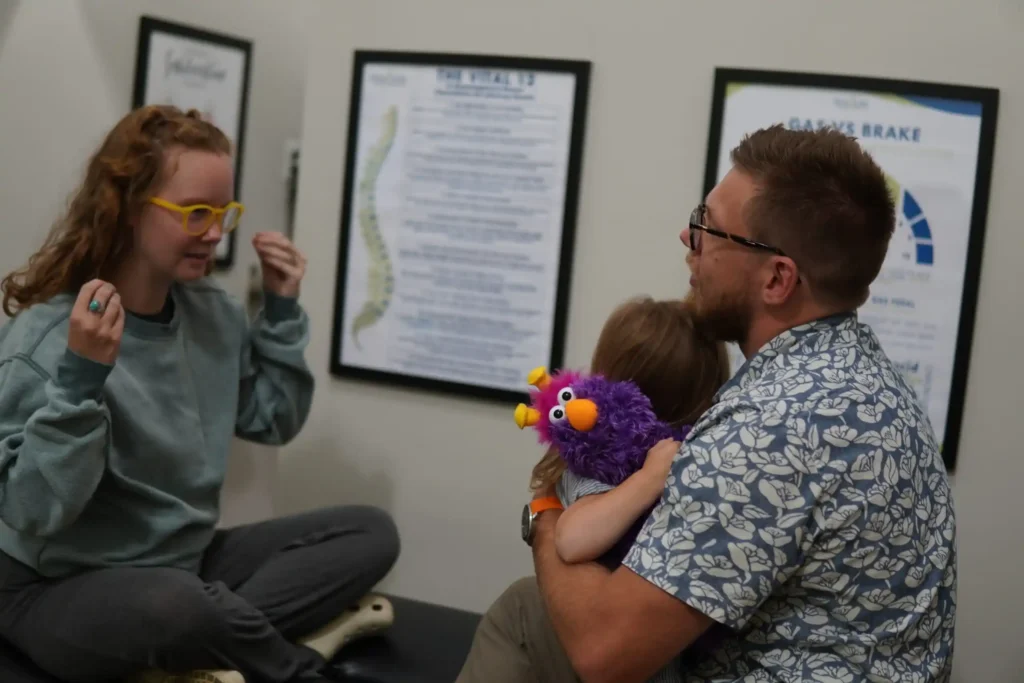
Parents bring their children to us when they notice

Colic, reflux, or difficulty feeding
Restless sleep or trouble settling

Sensory overwhelm or meltdowns

Head shape, latch, or airway concerns
Colic, reflux, or difficulty feeding
Restless sleep or trouble settling
Sensory overwhelm or meltdowns
Head shape, latch, or airway concerns
When Your Child’s Body Feels “Out of Sync”
You know your child best.
And when something feels off tension, discomfort, sleep struggles, feeding issues like why babies arch their back while feeding, sensory overwhelm you feel it in your gut.
Most parents are told:
“Give it time.”
“They’ll grow out of it.”
“This is just normal.”
But you also know that when your child is uncomfortable, dysregulated, or having trouble adapting… there’s always a reason.
Pediatric + cranial chiropractic doesn’t just chase symptoms.
It asks:
What’s going on in your child’s nervous system that keeps them stuck?
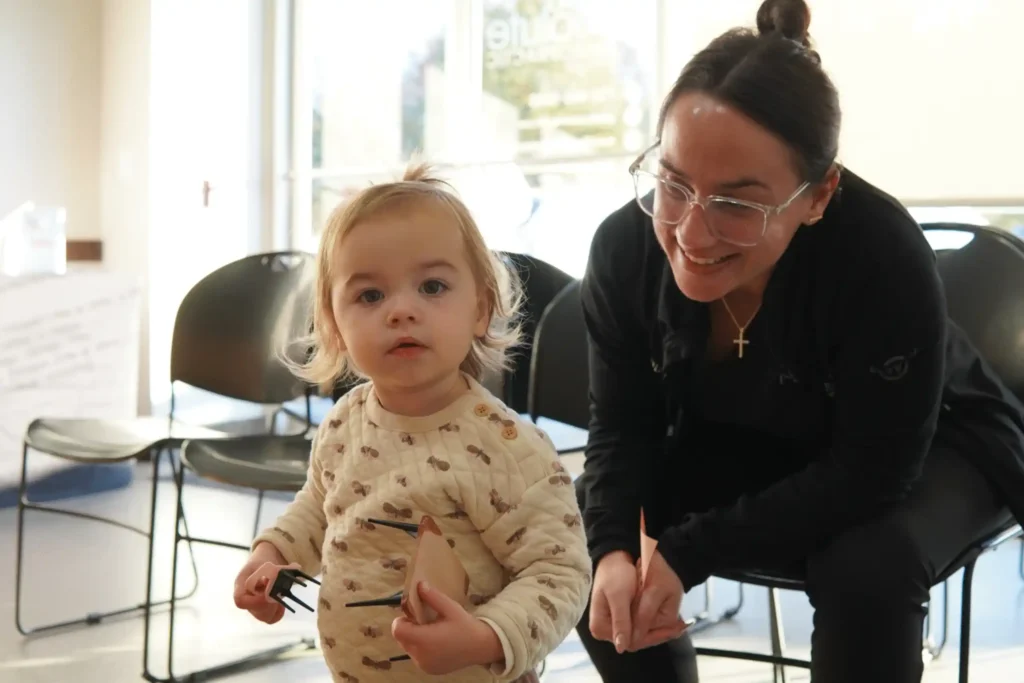
Gentle, Targeted Care for Every Stage of Life
Cranial Work
With feather-light craniopathy techniques, we release hidden restrictions, restore fluid motion, and ease pressure on delicate nerves and vessels.
Advanced pediatric training you can actually verify. Our team includes a board-certified pediatric chiropractor who holds the DACCP (Diplomate, Academy Council of Chiropractic Pediatrics), the highest diplomate-level certification in chiropractic pediatrics and held by only about 72 people worldwide, plus Certified Pediatric Craniopath training for gentle cranial care with infants. Families come to us from Sea Girt, Wall Township, Spring Lake, Manasquan, Belmar, Brielle, and Point Pleasant, and across Monmouth County and the Jersey Shore.
From fussy newborns to overwhelmed adults, each session helps the nervous system settle so patients leave feeling calmer, clearer, and better balanced.
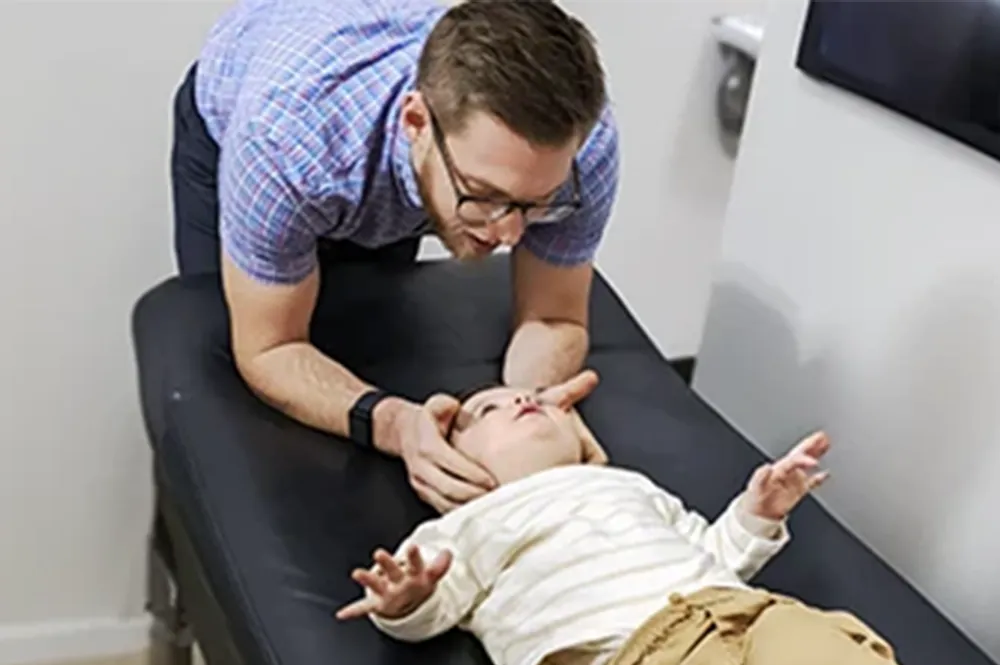
Pediatric
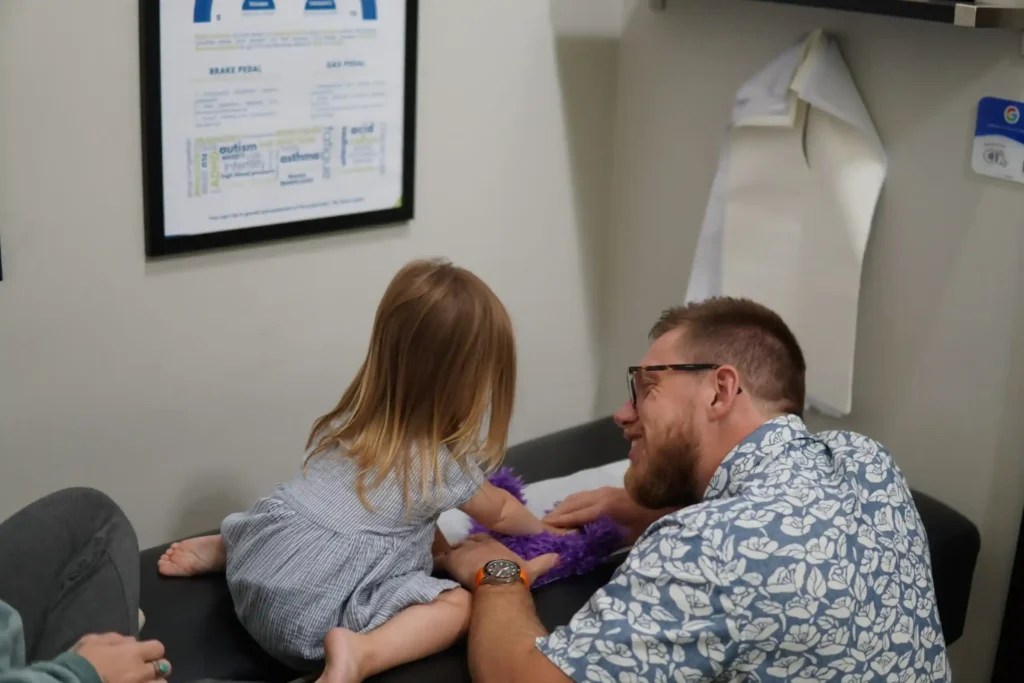
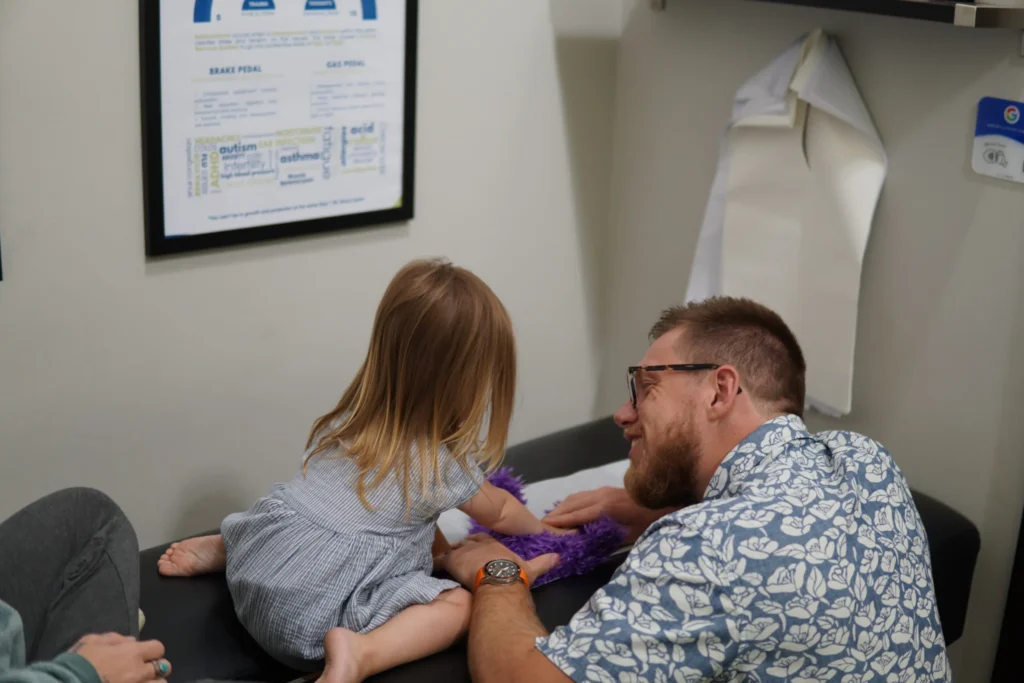
So many of the smiling faces you’ll see here were once little ones struggling with colic, latch challenges, reflux, or endless restless nights.
Gentle, neurologically-focused adjustments help calm tiny nervous systems leading to easier feeds, deeper sleep, and happier days.
Gentle, neurologically-focused adjustments help calm tiny nervous systems leading to easier feeds, deeper sleep, and happier days.
Why Families Trust Absolute Chiropractic
Posted on Google IsaiahIt I amzingPosted on Google
 Lauren MegillI went for my evaluation today and everyone is sooooooo nice. At just 33 my back has been messed up for more then 2/3 of my life and they really understand and want to help. I'm excited to go back and get some relief from the almost constant pain that I'm in. Highly recommend!Posted on Google
 Enna DuarteGreat team after almost 3 weeks l start to see the difference thank you.Posted on Google
 Janet StephensComing back for regular tune ups after a six month hiatus, I already feel better what... The team is always welcoming, always professional and always effectivePosted on Google
 Dwight DeLizStaff was kind and very informativePosted on Google
 Ni TanAmazing Staff.🌟🌟🌟🌟🌟🌟Posted on Google
 kristen larsen (OilyWays)I came to Absolute Chiropractic to delve deeper than treating symptoms and to find and treat the cause so that my symptoms are alleviated. After my 1st assessment visit, I feel this will happen.Posted on Google
 Christina RanuroImpressed with the initial consultation. Love that they did a thorough evaluation on my TMJ. Looking forward to seeing what they can do to help me. Very friendly staff.Verified by TrustindexTrustindex verified badge is the Universal Symbol of Trust. Only the greatest companies can get the verified badge who has a review score above 4.5, based on customer reviews over the past 12 months. Read more
The Process
Why We Combine Pediatric Chiropractic and Cranial Work
Many providers adjust the spine.
Many others focus on development.
But very few look at what actually connects it all:
The brain, cranial system, airway, and nervous system working together.
Cranial tension affects:
-
Feeding & latch
-
Tongue function
-
Airway & sleep
-
Head shape
-
Emotional regulation
-
Sensory processing
-
Milestone progression
Spinal stress affects:
Posture
Digestion
Immune function
Movement
Coordination
Calming pathways in the brain
Your child needs both systems evaluated, because both impact how they grow, learn, and adapt. Our approach supports nervous system and sensory care for children with regulation challenges.
That’s why our care is different.
Why Choose Us
Gentle, Nervous-System-Focused Care That Helps Your Family Truly Heal

Family-First Expertise
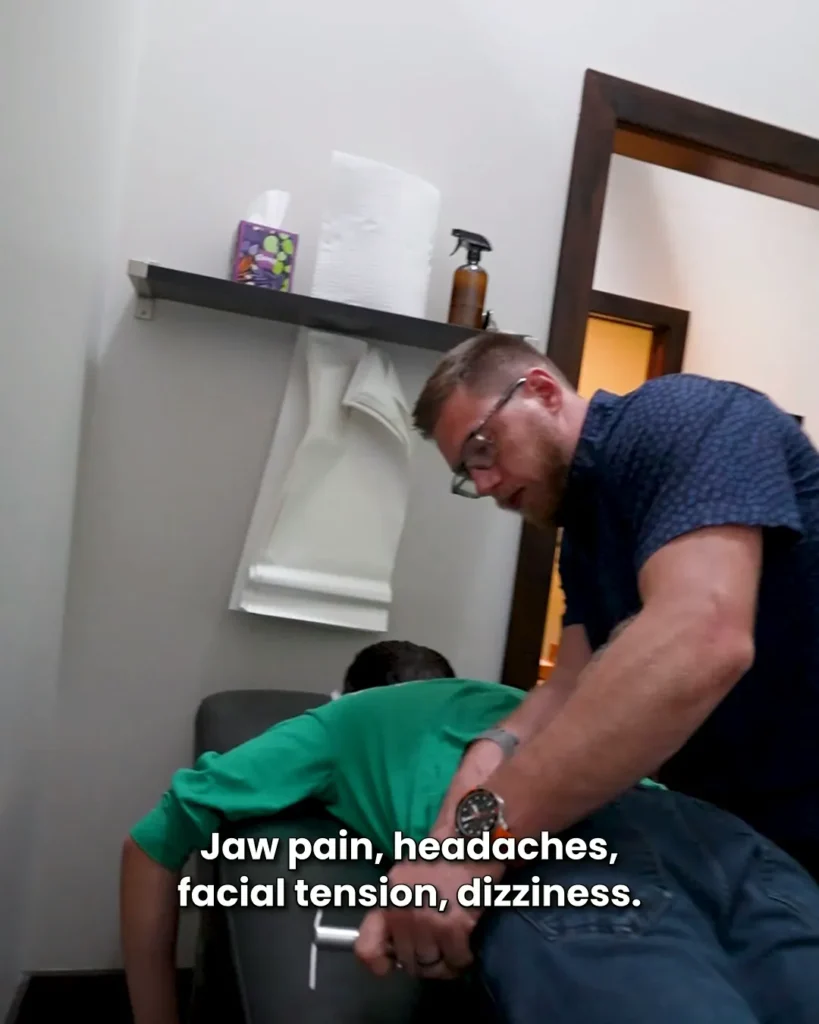
Certified in pediatric, prenatal, cranial, and gentle chiropractic techniques, our team tailors care for newborns, kids, pregnant moms, and adults. Every visit is calm, gentle, and designed to help your whole family feel safe, supported, and seen.

Clarity Over Guesswork
Through a detailed assessment including neurological testing and a hands-on cranial + spinal exam we show you what’s actually happening inside your body. No confusion, no scare tactics. Just clear answers and a plan that finally makes sense.

A Circle of Care That Supports You
We collaborate with OBs, pediatricians, lactation consultants, dentists, and other providers to make sure you have a connected, whole-person approach. You’re not navigating this alone you have a team behind you.
Why Choose Us
What Your Child’s First Visit Looks Like
Step 1 — Deep Listening
Your story and your child’s behaviors guide our first steps.
Step 2 — Nervous System + Cranial Evaluation
Neurological scans
Cranial assessment
Head shape + airway patterns (when appropriate)
Reflex + developmental checks (age-appropriate)
Step 3 — Clear, Gentle Explanation
So you understand exactly what’s going on and how nervous system care works.
Step 4 — A Plan Built for Your Child
Focused on helping your child sleep, regulate, digest, feed, breathe, and grow with greater ease.
When a Baby's Mouth Stays Open: Airway and Palate Development
A baby’s mouth is supposed to close at rest. When the tongue sits up on the roof of the mouth, it acts like a gentle mold. That contact shapes the palate wider and flatter over the first few years of life. A wider palate gives the upper airway more room, supports nasal breathing, and makes room for teeth to come in straight later on.
When a baby’s mouth stays open, the tongue drops to the floor of the mouth. The palate loses its shaping pressure. Over months and years, the palate narrows and gets higher. A high, narrow palate crowds the nasal airway above it, which makes nasal breathing harder, which keeps the mouth open. The pattern feeds itself.
Cranial tension plays into this too. The bones of the skull and face are still soft and movable in infancy. Tight patterns at the base of the skull or around the jaw can pull on the bones that form the palate and the bones that open the nasal passages. When we release those patterns early, the palate has a better chance to develop the way it is supposed to.
In an evaluation, we look at how your child breathes at rest, how the lips sit, how the tongue moves, and how the cranial bones are tracking. We are not treating the airway itself. We look for the structural and nervous system patterns that are making airway development harder.
Early support matters because the palate finishes most of its shaping before age 4 or 5. After that, changes get harder and often require appliances or surgery later on. Checking early gives you time.
Tongue Tie Support: What Chiropractic
Adds to the Picture
Tongue tie has been getting more attention from parents and providers, and for good reason. A restricted tongue can affect latch, feeding, palate shaping, speech, and sleep. But a release alone often is not the full story.Here is what we see clinically. Before a release, many babies hold cranial and upper neck tension patterns that make it hard for the tongue to lift, extend, and move freely even if the tissue were not restricted. After a release, that same tension can keep the tongue from using its new range. Parents sometimes tell us the procedure went well but feeding still feels off. That is usually a sign the rest of the system has not caught up yet.Cranial chiropractic work is a support piece, not a replacement for the release. We look at how the upper cervical spine, the base of the skull, the jaw, and the floor of the mouth are working together. When tension in those areas lets go, the tongue has more room to do its job. Latch often gets easier. Feedings get calmer. Babies tend to settle.We work closely with local IBCLCs, dentists, and ENTs. We do not perform the release. We do not diagnose tongue tie. We help the nervous system and the tissues around the mouth do their part so the rest of the team’s work has the best chance of holding. If you have been told your child might have a tie, or if a release has already happened and things still feel off, an evaluation can show you where the other limiters are. For more information, explore our tongue tie and feeding support. You can also learn more about what chiropractic adds before and after a tongue tie release.
How TMJ Starts in Childhood
Most parents do not think about TMJ when they are looking at their toddler. But the jaw problems adults deal with in their 30s and 40s often started as cranial and palate patterns in early childhood.
Here is how the pattern usually builds. A baby holds cranial tension from birth. The palate develops narrow because nasal breathing is hard. The jaw starts bracing to stabilize a system that is working harder than it should. The tongue sits low. The bite comes in crowded. By age 8 or 10, the child is clenching at night. By 16, they are getting headaches (more on TMJ in teens). By 30, the jaw clicks and pops, and they are sleeping with a night guard that protects the teeth but does not change the pattern.
The adult does not remember the early pattern. The dentist sees the grinding. The doctor sees the tension headaches. Nobody connects it back to the narrow palate that developed 25 years ago.
This is why we check young children carefully, even when the jaw itself looks fine. We want to catch airway and palate patterns before they lock in, and release cranial tension while the bones are still easy to move.
For adults already dealing with jaw symptoms, here is more on how early cranial patterns become TMJ and what we check in an evaluation.
If your child is already showing signs of clenching, jaw tension, or early bite concerns, gentle help for jaw pain can help you understand what patterns may be developing.
Signs It's Worth Getting Checked
Most parents already have a sense that something is off. They just do not know if it is worth looking into yet. Here are the patterns we see most often in children who benefit from an evaluation, including early TMJ patterns in children.
In infants:
- Mouth stays open at rest, even during quiet sleep
- Poor latch, shallow latch, or clicking sounds while feeding
- Persistent back arching during or after feeds
- Prefers to turn the head to one side only
- Visible flat spot on one side of the head
- Colic patterns that do not settle with usual soothing, and here is more on colic and reflux in babies
- Infant torticollis and head tilt
In toddlers and older kids:
- Snoring, noisy breathing, or restless sleep
- Grinding teeth at night
- Dark circles under the eyes
- Picky eating, especially textures that require good chewing
- Speech sounds that are hard to form
- Frequent ear infections or stuffy nose
- Bedwetting past the usual age
One of these alone is usually nothing to worry about. A cluster of three or more is worth checking. If your child is under 4 and you are seeing any airway pattern, sooner is better. The palate is easier to influence when the bones are still soft and the nervous system is still laying down its habits.
If you are new to this lens, it helps to understand why mouth breathing affects facial development and what cranial chiropractic really is before you book. Cranial work is gentle, specific, and nothing like adult adjusting. We take time to explain what we see, what it likely means, and what a plan would look like. You leave with clarity about what we found and what comes next.
If you are new to this work, our overview of what a cranial chiropractor does will help you understand the approach.
Questions Parents Ask Before Their First Visit
Choosing care for your child is a big deal, and you should feel sure before you start. Here are the questions we hear most from parents, answered plainly. If you still have questions, you can book a free 15‑minute call and just talk it through with us first.
How young can my baby be seen?
Newborns are welcome. We see babies in their first days of life, often after a hard delivery, a C-section, or a feeding struggle that showed up right away. Early is helpful because the cranial bones are still fusing and the nervous system is setting its baseline. If your baby is a few months or a few years old, that works too.
Is pediatric chiropractic safe for infants?
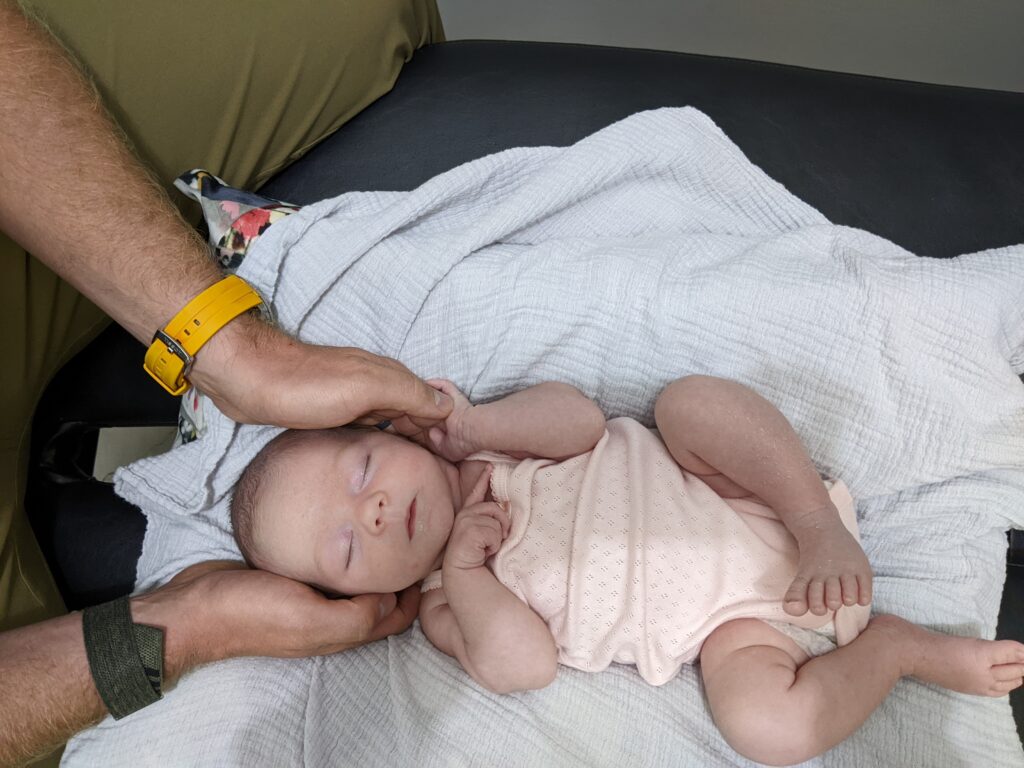
Infant care looks very different from adult care. There is no twisting, no popping, and no forceful pressure. We use about the same amount of pressure you would use to check a ripe tomato, held for a few seconds at a time. Many babies sleep through the visit. Wondering if it is safe? Read: Is chiropractic safe for babies? Two of our doctors hold the Certified Pediatric Craniopath credential, and every visit starts with a full history and exam.
What does a first pediatric visit look like?
Plan on about 45 minutes. We start by listening to your story: pregnancy, birth, feeding, sleep, and what you have already tried. Then we do a hands-on exam of the spine, cranial tension patterns, and how your child breathes and moves. You leave knowing what we found, what it likely means, and whether we are a good fit.
What conditions do you help with?
Families come to us for colic and constant fussiness, reflux, poor sleep, latch and feeding trouble, mouth breathing or snoring, tongue tie recovery, and head shape concerns. Our exam looks at nervous system tone, airway, and cranial tension patterns that often sit underneath those symptoms. After the exam we tell you what we found and whether our care makes sense for your child.
How is cranial work different from regular adjusting?
Regular adjusting works with the spine and its joints. Cranial work uses very light, sustained contact at the head and jaw, where the bones are still fusing through childhood and the membranes between them hold tension. The contact is measured in ounces and held for several seconds. Craniopathy-trained doctors use it alongside gentle spinal care, and the two support each other.
How do I know if my child’s breathing needs a chiropractor or an ENT?
Often it is both. An ENT looks at tonsils, adenoids, and allergies, and can order a sleep study. We look at jaw and palate development, tongue function, and the cranial tension patterns that shape the airway. If your child snores, mouth breathes, or wakes up tired, either door is a reasonable place to start. We refer to local ENTs and airway dentists when that is the right next step.
Yes. The care we use for babies looks nothing like what you might picture for an adult. There is no cracking and no twisting. We use gentle, fingertip pressure, often lighter than what you would use to check a ripe tomato. Our doctors are craniopathy-trained, which means they are specifically educated in how a baby's cranial bones are still soft and fusing in the early months. That training shapes everything we do. Most babies stay calm through a visit, and many of them fall asleep.
We start by listening. Before we touch your child, we want to hear your story: what you are seeing at home, what feels off to you, and what you have already tried. Then we do a hands-on check of how your child's cranial bones, jaw, neck, and nervous system are working together. We look at things like head shape, latch, how they turn their head, and how they settle. You will never feel rushed, and we walk you through what we find in plain language so you leave understanding what is going on.
Mouth breathing in kids can be a sign of how the airway, palate, and jaw are developing. We check how these pieces are working together and whether tension patterns are making it harder for your child to breathe comfortably through their nose. In many cases we work alongside your dentist or an IBCLC lactation consultant, so your child gets a full picture from a team that actually talks to each other. We cannot promise a specific result, but we can give you clarity on what we see and whether our care is a good fit for your child.
A regular adjustment often focuses on the spine. Cranial work focuses on the head and face, where the cranial bones are still soft and fusing in babies and young kids. Our craniopathy-trained doctors use very light, specific contacts to support how those bones and the tissues around them are developing. It is slow, gentle, and tailored to how young your child is. For a baby, a full contact can be lighter than a resting fingertip.
Yes. Feeding struggles, painful latch, clicking while nursing, and trouble staying on the breast or bottle are some of the most common reasons families come to us. Tension in the jaw, neck, and cranial bones can make feeding harder for a baby. We often team up with an IBCLC lactation consultant, and when a tongue tie is involved, your dentist or release provider, so everyone is working from the same page. You can learn more on our tongue tie page.
Families usually come to us when something feels off and they are ready for real answers. Common reasons include colic and constant fussiness, trouble sleeping, reflux and back arching during feeds, latch and feeding struggles, mouth breathing, head shape concerns, torticollis or a strong head-turn preference, and general trouble settling. We do not diagnose or treat named conditions. We look at how your child's nervous system, jaw, and cranial bones are working, explain what we find, and help you decide on the next step.
Areas We Serve
Delivering Quality Chiropractic Care Near You
Wall Township
Sea Girt
Spring Lake
Manasquan
Brielle
Belmar
Neptune
Brick
Asbury Park
Ocean Township
Tinton Falls
Colts Neck
Point Pleasant
Our Location
Find Your Way to Relief See Us on the Map
Absolute Chiropractic
Sea Girt Square, 2100 NJ-35, Sea Girt, NJ 08750, United States
Gentle Pediatric Chiropractor for Babies in Monmouth County
Absolute Chiropractic serves families in Wall Township and nearby towns including Sea Girt, Spring Lake, Manasquan, Brick Township, Howell Township, Neptune Township, Tinton Falls, Middletown Township, Jackson Township, and Ocean Township. If you are searching for neurologically-based care close to home, you’re in the right place.
One mom, in her own words, about her baby. Before: “We were living off of mylicon drops & gripe water.” After: “everyone has noticed the difference she has changed tremendously!”
Explore our care options: Pediatric Chiropractic, TMJ and Cranial Care, and Prenatal Chiropractic. When you’re ready, start with a free 15‑minute call.