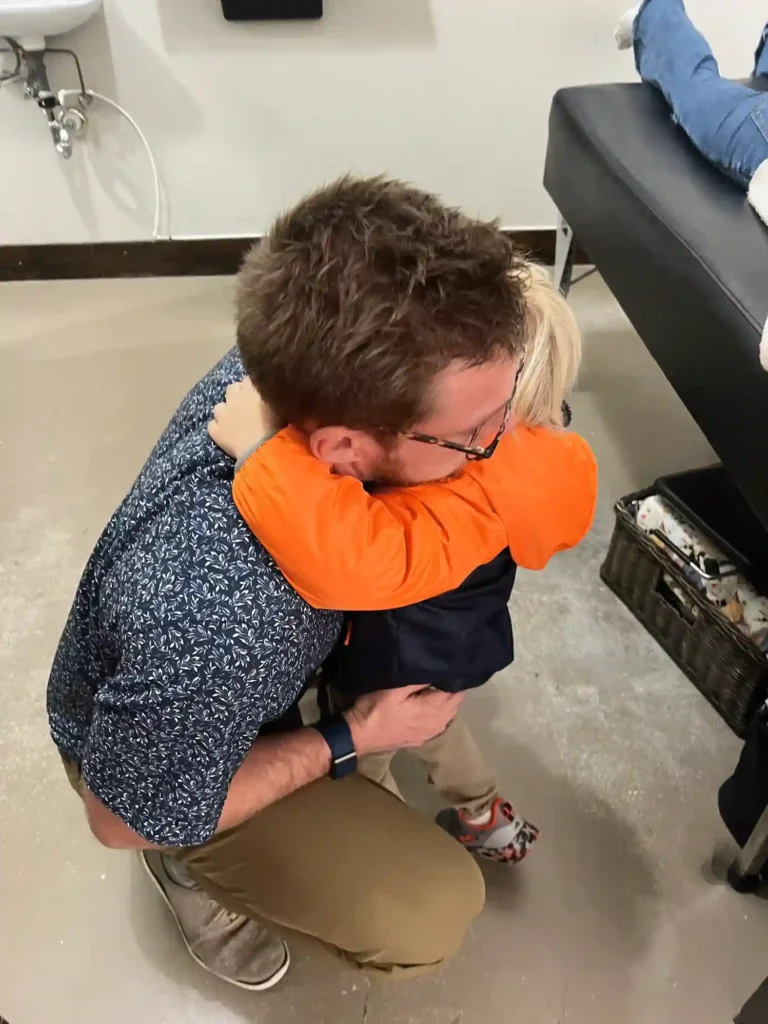
Nervous System Support for Sensory and Regulation Challenges
Gentle, neurologically-based care for kids who feel overwhelmed, have a hard time settling, or seem stuck in high gear. Serving families in Sea Girt, NJ.
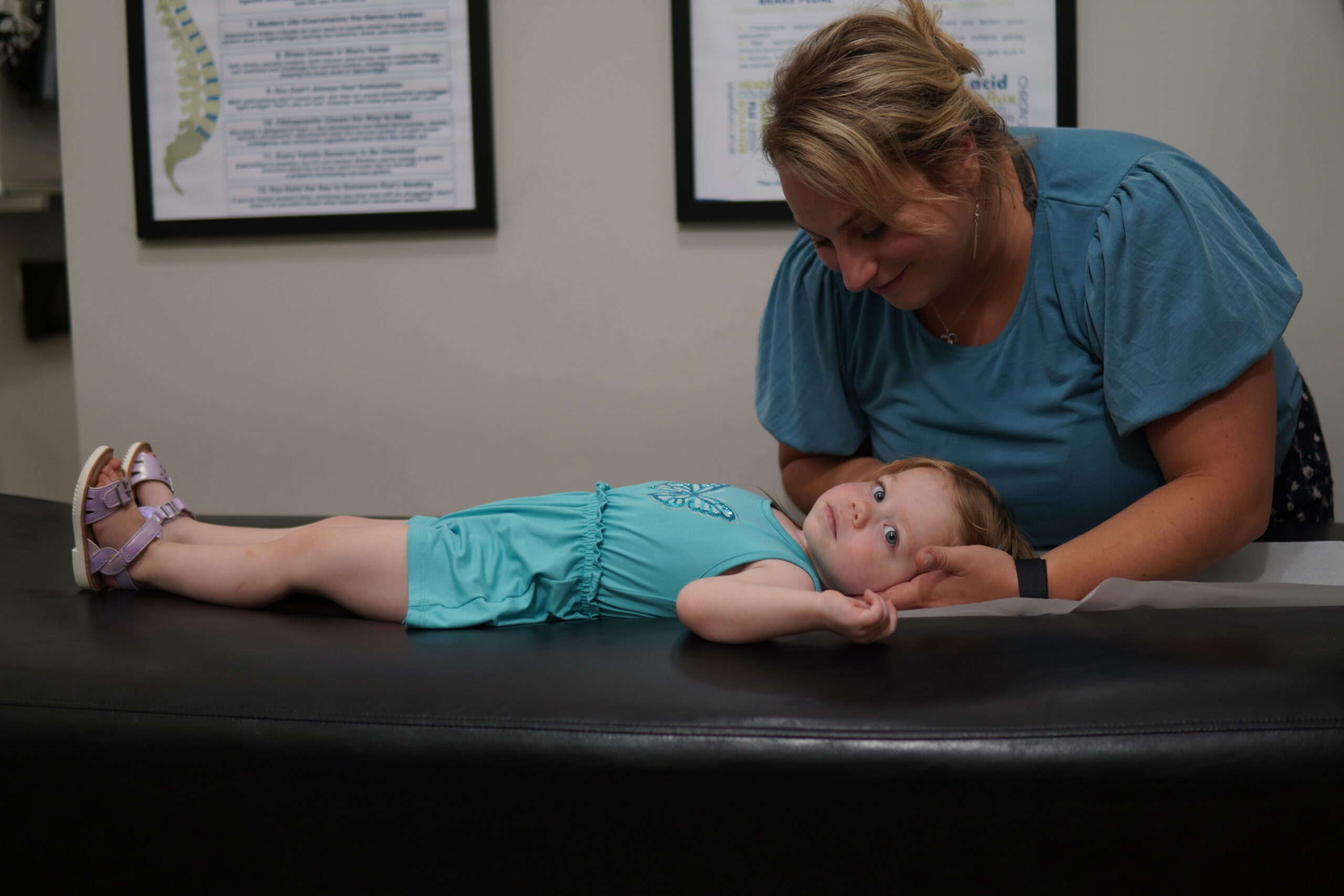
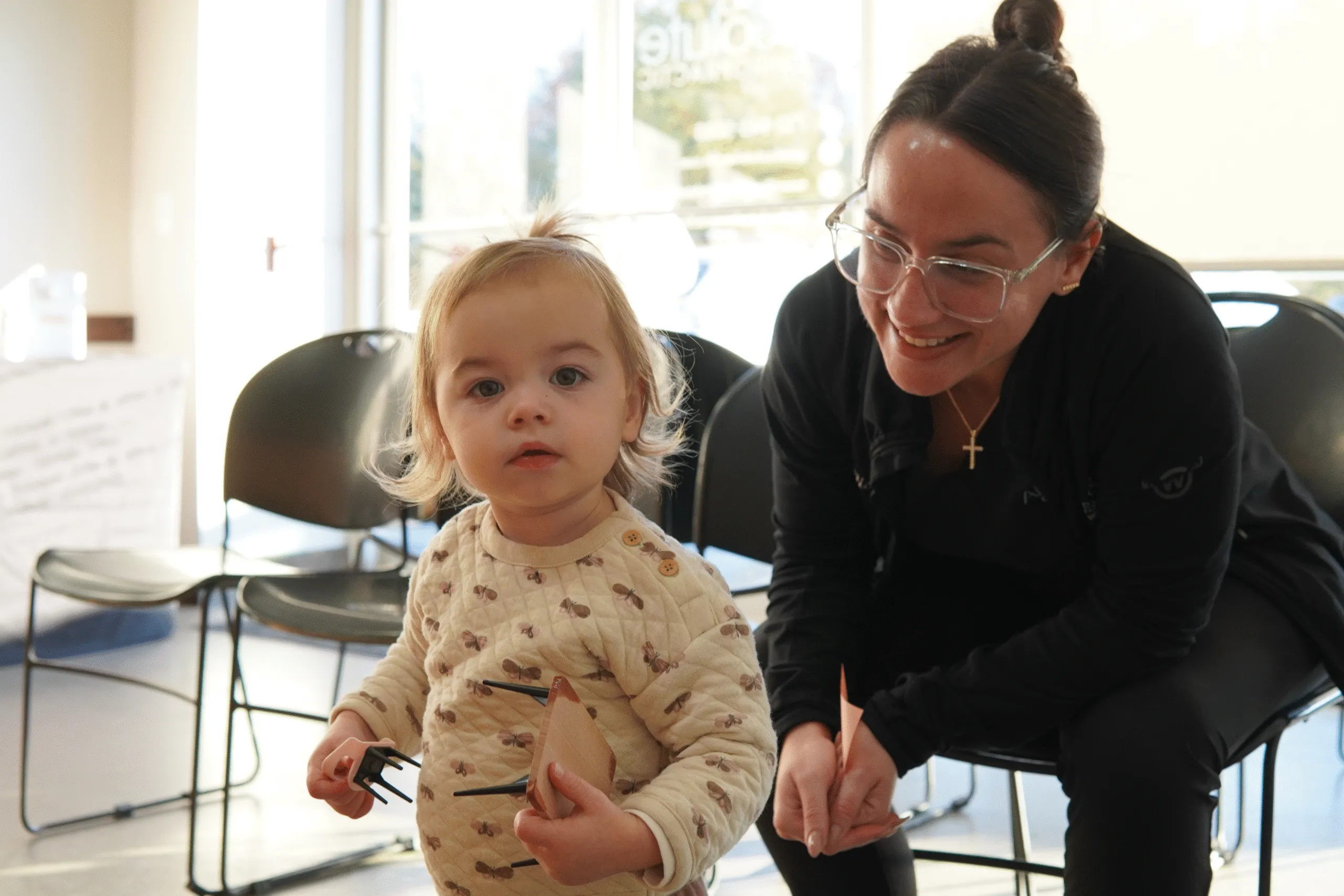
Patterns parents notice
Some kids seem to run at a different volume than everyone around them. They melt down over small changes, have trouble settling at night, or react strongly to sounds, textures, and busy rooms. Other kids swing the other way and seem checked out, tired, or hard to engage.
You might notice:
- Big reactions to sounds, lights, clothing tags, or food textures
- Trouble winding down or falling asleep
- Meltdowns that feel bigger than the moment
- A hard time with transitions and changes in routine
- Constant motion, or the opposite, low energy and zoning out
- Frequent tummy trouble, headaches, or jaw clenching
- Mouth breathing or restless, poor-quality sleep
If you have been told your child will grow out of it but your gut says something deeper is going on, you are not imagining it. These patterns often trace back to how the nervous system is handling stress and everyday sensory input.
How the nervous system shapes regulation
The nervous system runs the background settings for your child’s body. It controls how they take in the world, how they calm down after stress, and how easily they shift between alert and rest.
When the nervous system stays stuck in a high-alert state, small things feel big. A tag on a shirt, a loud room, or a change in plans can push a child past their limit fast. When the system leans too far the other way, a child can seem tired, foggy, or hard to reach.
We look at this as a regulation pattern, meaning how well the body moves between stress and calm. Sleep, sensory reactions, mood, digestion, and focus all sit downstream of that. When regulation improves, parents often notice steadier days and an easier recovery after hard moments.
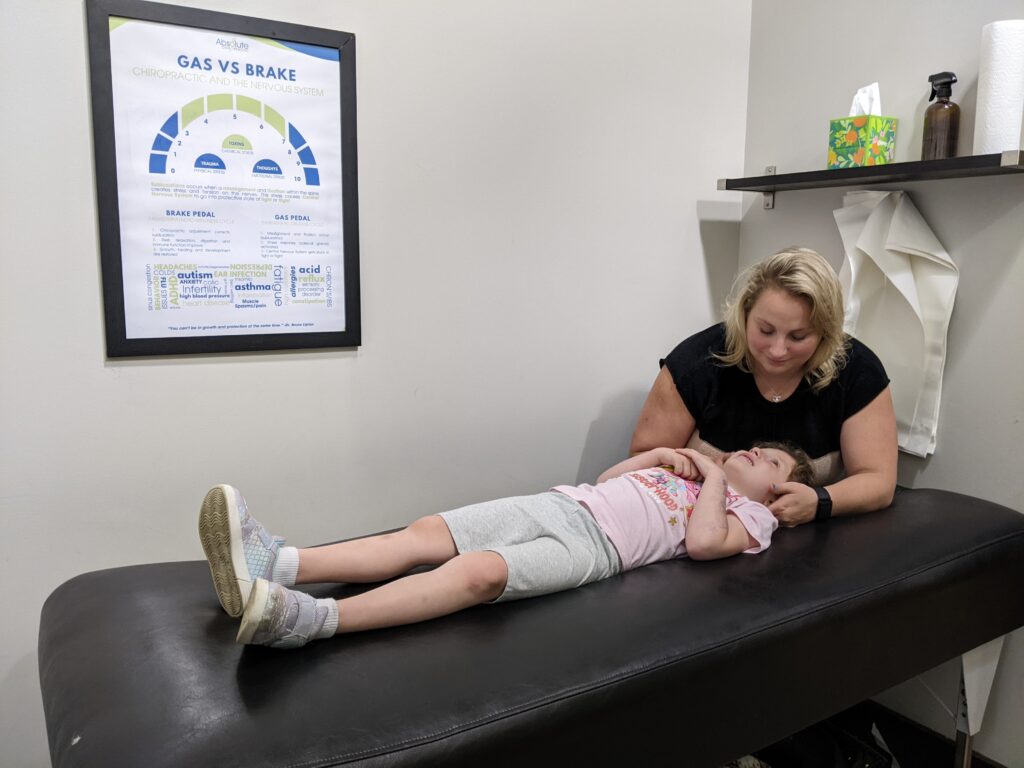
Our neurologically-based evaluation
We start by listening. You will have time to walk us through your child’s history, your concerns, and what daily life actually looks like at home.
From there, our neurologically-based evaluation looks at how your child’s nervous system is regulating. We check the upper neck and cranial tension patterns, signs of breathing and airway stress, and how the body is holding tension. Two of our doctors are Certified Pediatric Craniopaths, which shapes how carefully we assess a young nervous system.
You leave the evaluation with clarity: what patterns we see, what they likely mean, and whether our approach is a good fit for your child. If we are not the right place for you, we will say so and point you toward a better one.
How we work alongside other providers

We work as one part of your child’s care team. We do not replace your pediatrician, therapists, or other specialists. Many of the families we see also work with occupational therapists, speech therapists, dentists, and pediatricians.
Our role is to support how the nervous system regulates so the work your child is doing elsewhere can land more easily. When a child is calmer and sleeping better, therapy sessions and school days often go smoother.

We are glad to communicate with your child’s other providers when that helps, and we will always be clear about what we do and do not address.

Who this is for
This care tends to be a good fit for:
- Kids who feel overwhelmed by sounds, textures, lights, or busy spaces
- Kids who have a hard time settling, sleeping, or recovering after big feelings
- Kids dealing with mouth breathing, restless sleep, or low energy
- Families who want a gentle, drug-free way to support regulation
- Parents who feel like they are missing a piece of the picture and want real answers
Frequently Asked Questions
What does nervous system chiropractic do for my child?
We support how your child’s nervous system regulates stress and sensory input. Using gentle, neurologically-based care, we work with the upper neck, cranial tension patterns, and how the body handles stress. The goal is to help the system shift more easily between alert and calm, which can make daily life feel less overwhelming.
My child has a sensory or developmental diagnosis. Can you help?
We do not diagnose or treat those conditions, and we do not replace your child’s medical or therapy team. What we focus on is nervous system regulation, which sits underneath sleep, sensory reactions, and stress recovery. Many families use our care alongside their other providers to support that foundation.
Is this gentle enough for young children and babies?
Yes. Our care for kids is gentle and low-force. Two of our doctors are Certified Pediatric Craniopaths, and every technique we use is chosen with a child’s size and nervous system in mind. We also explain each step so your child knows what to expect.
Do we have to stop seeing our other providers?
No. We work alongside pediatricians, occupational therapists, speech therapists, and other specialists. Our role is to support regulation so the rest of your child’s care can work more smoothly. We are happy to coordinate with your team when it helps.
What happens at the first evaluation?
We start by listening to your concerns and your child’s history. Then we assess how the nervous system is regulating, including upper neck and cranial tension patterns and signs of breathing or sleep stress. You leave with clarity on what we see, what it likely means, and whether our approach fits your child.
How soon might we notice changes?
Every child is different, so we do not promise a timeline or a specific outcome. Some parents notice steadier sleep or a calmer recovery early on, while other patterns take more time. At each visit we track what is changing and adjust as we go.