Why Kids Grind Their Teeth at Night(And What It’s Telling You)

why kids grind their teeth at night

If you are hearing it through the monitor, that grinding sound loud enough to make you cringe, you are not the only parent wondering what is going on. Pediatric bruxism affects around 30% of children at some point. Most pediatricians will tell you it is nothing to worry about and they will outgrow it.

That is true sometimes. And sometimes it is not the whole story.

The parents we see in our practice usually come in because something else is also happening: restless sleep, mouth breathing, jaw tension, headaches, focus or behavior issues during the day. When grinding shows up alongside any of that, it is usually a signal connected to the need for nervous-system chiropractic care.

GRINDING IS OFTEN A NERVOUS-SYSTEM SIGNAL, NOT JUST A TOOTH ISSUE

In kids, the bite usually is not the problem. Most children’s bites are still developing, and adult teeth have not fully come in yet. So the cause-and-effect we assume in adult bruxism — that the bite is off and that is why they grind — does not really apply.
Pediatric grinding tends to spike during sleep stage transitions, the moments when the nervous system is shifting between deeper and lighter sleep. A nervous system stuck in a high-alert pattern grinds more because it does not transition smoothly.
What drives a child’s nervous system into that high-alert pattern? Stress, illness, developmental leaps, growth spurts, screens before bed. Upper-neck or jaw tension, which is common after birth, after falls, or with chronic mouth breathing, compounds this. The system grinds because it cannot downshift.

WHEN GRINDING SHOWS UP ALONGSIDE ANY OF THESE, LOOK CLOSER

Grinding by itself usually is not an emergency. Grinding combined with any of these patterns is worth understanding:

Families looking for a TMJ chiropractor NJ or guidance around jaw tension often benefit from a broader nervous-system evaluation.


  • Mouth breathing, open mouth during sleep or even at rest
  • Snoring or noisy, labored breathing at night
  • Restless sleep, frequent waking, kicking blankets off
  • Daytime tiredness despite a full night of sleep
  • Jaw clicking, asymmetry, or limited mouth opening
  • Frequent headaches, neck tension, or growing pains
  • Focus, behavior, or mood difficulties during the day
  • Bedwetting beyond the typical age
  • Dark circles under the eyes
Any one of these can mean something on its own. Several together usually means the airway, nervous system, and cranial system are all under strain.

WHAT CHIROPRACTIC AND CRANIAL WORK DO FOR GRINDING

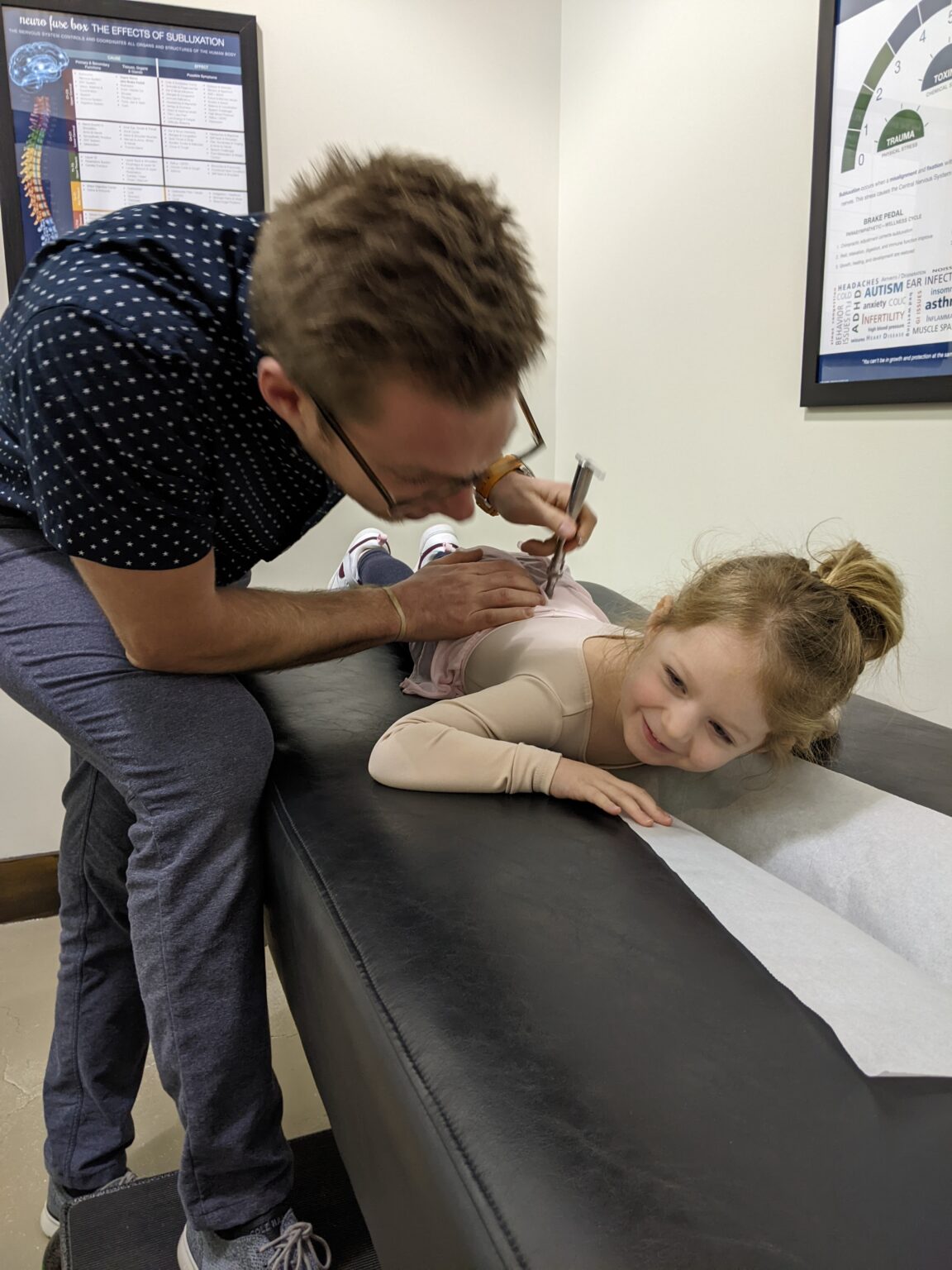
Gentle care from a cranial chiropractor in Wall Township NJ reduces upper-neck and jaw tension, supports cranial mobility, and helps the nervous system shift more smoothly into the restorative sleep state. The jaw lives inside the cranial system, not separately from it. When the regulation pattern improves, grinding often quiets down on its own.

We also coordinate with pediatric dentists and airway-focused providers when a structural component is involved: narrow palate, restricted tongue movement, or sleep-disordered breathing patterns that need a multi-disciplinary plan.

WHEN TO CONSIDER AN EVALUATION

  • Grinding is loud, frequent, or has been going on for months
  • It is accompanied by any of the patterns above
  • You see asymmetry in their face, jaw, or palate
  • Sleep is fragmented or your child seems tired during the day
  • Behavior or focus issues are showing up alongside
  • Headaches or jaw pain are starting to be mentioned
If your child is grinding and you are not sure whether it is a problem, a clarity-first evaluation will tell you what is actually going on, what matters, and what to do next.

Common Questions

Is teeth grinding bad for my child's teeth?

In children, the long-term tooth damage from grinding is usually less than people fear, because adult teeth have not fully come in yet. But persistent grinding points to something worth understanding: the nervous-system or airway pattern driving it.
Night guards manage tooth wear. They do not address why grinding is happening. For most kids, addressing the underlying pattern — nervous-system regulation, jaw tension, airway — is more effective than a night guard alone, especially while teeth are still developing.
Many kids do. But outgrowing the symptom does not always mean the underlying pattern resolves. Sometimes it shifts into headaches, jaw tension, or sleep issues later. If grinding is showing up with other patterns, it is worth understanding now.
Stress can amplify grinding, but it is rarely the only cause in kids. The more common drivers are upper-neck tension, jaw mechanics, airway restriction, and overall nervous-system regulation.
Both can help. A pediatric dentist evaluates the teeth and bite. A pediatric chiropractor with cranial training evaluates the nervous system, jaw, cranial mobility, and airway patterns. For grinding alongside other symptoms, coordination usually wins.

OFFICE HOURS

Monday

Tuesday

Wednesday

Thursday

Friday

Saturday

Sunday

chiropractic wall township nj absolute chiropractic sb