
Tongue Tie and Cranial Chiropractic Support
Feeding is supposed to be one of the first things that goes right. When it does not, it can feel scary and lonely fast. If your baby struggles to latch, clicks during feeds, or seems fussy and hungry no matter how long they nurse, you are not imagining it. Something is making feeding harder than it should be.
A tongue tie is one common reason. Your IBCLC or dentist may have already mentioned it to you. At Absolute Chiropractic in Sea Girt, we support babies before and after a tongue tie release with gentle cranial care, and we work as part of your team so feeding has the best chance to improve.
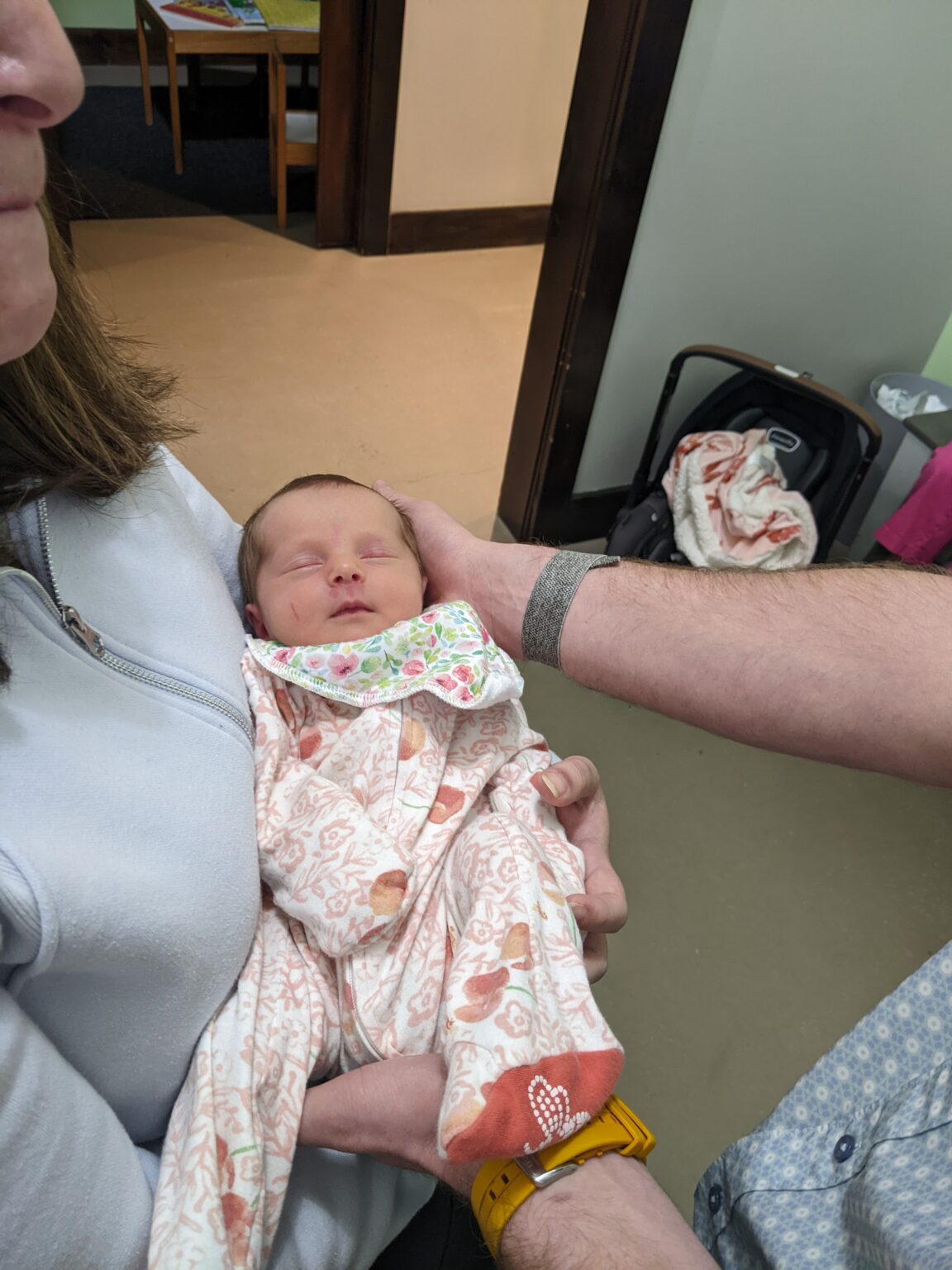
What tongue tie can look like in feeding
Every baby is different, but families often come to us describing the same handful of patterns. You might notice:
- A shallow latch, or a latch that keeps slipping
- Clicking or smacking sounds during feeds
- Long feeds that still leave your baby fussy or hungry
- Falling asleep at the breast, then waking hungry soon after
- Gassiness, spit up, or a lot of fussiness after eating
- Trouble with the bottle too, not only the breast
- For mom: sore or cracked nipples, or worry about supply
How cranial work supports latch and feeding
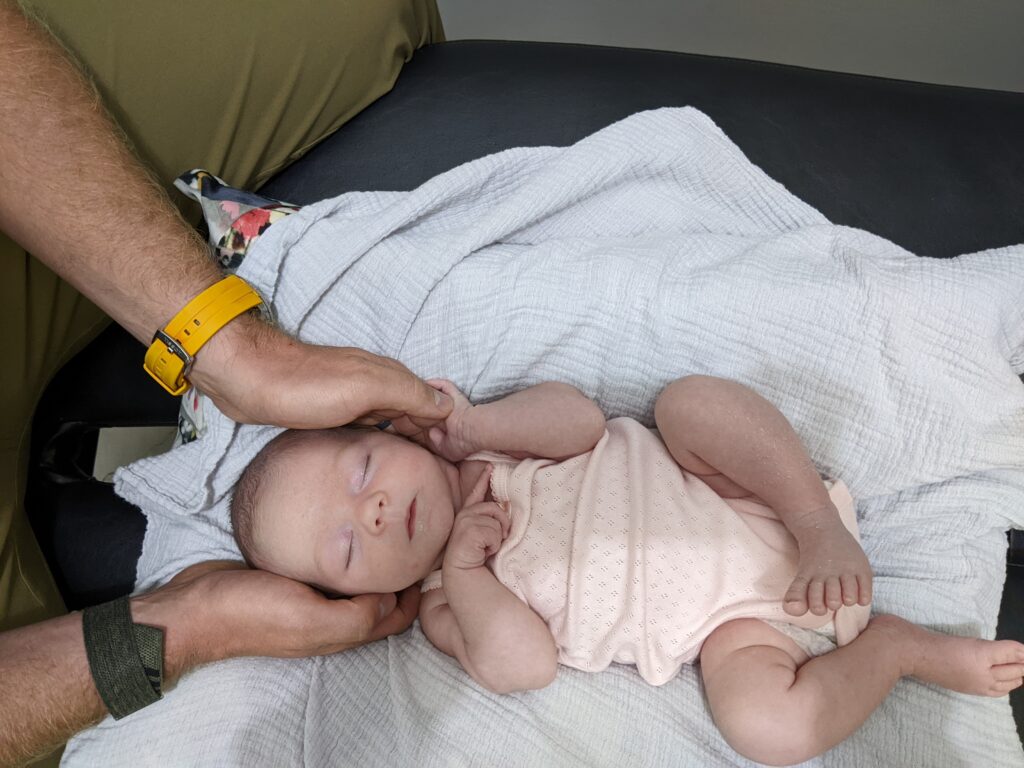
A good latch takes teamwork inside your baby’s body. The tongue, jaw, palate, and upper neck all have to move together. In the early weeks, a baby’s cranial bones are still soft and not yet fusing, which is normal and expected. Birth, positioning in the womb, or a fast or difficult delivery can leave tension in those cranial bones and in the upper neck.
When that tension is there, it can change how your baby uses the tongue and jaw. Even after a tongue tie release, some babies still latch the old way out of habit and tension. Gentle cranial care helps ease those patterns so your baby can use the new range of motion.
We also pay attention to the nervous system. A baby who is wound up and hard to settle often feeds in a wound up way. Helping the nervous system settle can make feeds smoother for your baby and for you. To learn more about how we support the nervous system in babies and kids, see our pediatric care page.

Working with your IBCLC and dentist before and after a release

We are one piece of a bigger team. Your IBCLC helps with latch, positioning, and feeding technique. A dentist or provider performs the tongue tie release when one is needed. We support your baby’s body so it can make the most of that work. We do not perform the release. We support your baby before and after one.

Before a release, gentle cranial care can ease tension and help your baby feel calmer, which often makes the release and recovery go more smoothly. After a release, we help your baby learn to move in a new way so the change has the best chance to hold. Many release providers recommend chiropractic care as part of aftercare.

If you already have a full team, we will coordinate with them. If you are still building your team, we can help you understand who does what. You can read more about how this collaboration works on our IBCLC and cranial chiropractic page.
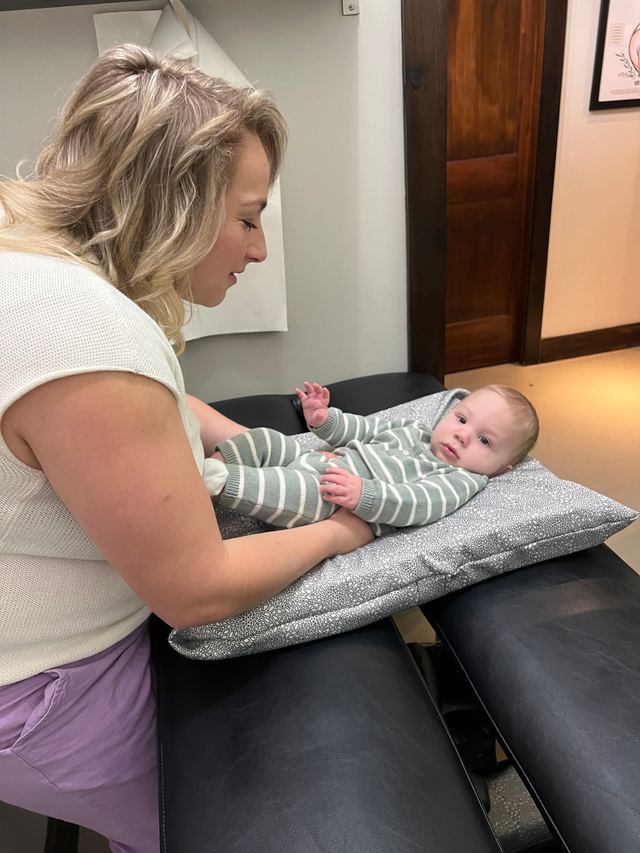
What our evaluation checks
Our evaluation is built to give you clarity. A craniopathy-trained chiropractor checks:
- Cranial bone tension and symmetry
- How the jaw opens and whether it moves evenly
- The palate and the roof of the mouth
- The upper neck, which is closely tied to feeding
- Nervous system tone and how easily your baby settles
- A feed, when it helps us see the pattern in action

Who this is for
This page is for parents who:
- Have a newborn or baby who struggles to feed
- Were told their baby may have a tongue tie
- Are preparing for a release and want their baby ready
- Just had a release and want to support recovery
- Have tried a lot already and feel dismissed or unsure
Common questions about tongue tie and chiropractic
How does chiropractic help with tongue tie?
Feeding takes coordinated movement of the tongue, jaw, and palate. When a baby has tension in the cranial bones or upper neck, that movement can be harder, even after a release. We use gentle cranial care to support how your baby uses the jaw and tongue, and to help the nervous system settle so feeding feels less stressful for both of you. We do not perform the release itself. We support the body around it.
Do you work before or after a release?
Both, and sometimes we see babies who have not had a release at all. Before a release, gentle work can ease tension so your baby is more comfortable and the tissues are calmer. After a release, we help your baby learn to use the new range of motion so the results have the best chance to hold. Many providers recommend chiropractic care as part of aftercare.
Is it safe for newborns?
Yes. Infant cranial care uses very light contact. There is no forceful adjusting and no cracking. Dr. Anthony Pellegrino and Dr. Allie Zoda are two of only eleven Certified Pediatric Craniopaths in the world, and they see newborns every week.
Do I still need a dentist or provider for the release?
Yes. A release is a procedure done by a trained provider, usually a dentist, ENT, or pediatric specialist. We work as part of that team. If you do not have a provider yet, your IBCLC or pediatrician can point you in the right direction.
How many visits will my baby need?
It depends on your baby and what we find at the evaluation. Some families notice changes quickly. Others need a little more time, especially around a release. We will give you a clear picture at your first visit and check in as we go.
What happens at the first evaluation?
We start by listening. You tell us what feeding has looked like and what has worried you. Then we check your baby’s cranial bones, jaw, palate, upper neck, and nervous system tone, and we watch a feed if that helps. You leave with a clear explanation of what we see and what a plan would look like. No rushing, no guessing.
Book a Feeding-Focused Evaluation
Bring your questions, your worries, and your story. We will listen first, check carefully, and give you a clear next step.