If you’ve been searching for answers about your baby’s head shape, feeding challenges, tension, or developmental concerns, you may have come across the word craniopathy. It sounds complicated at first but it’s actually a simple concept once it’s explained in real, everyday language.
Craniopathy is a gentle, hands-on approach that helps improve how the bones of the head move, how the nervous system functions, and how the body regulates tension. It’s especially helpful for babies who seem uncomfortable, tight, or “stuck” in certain patterns.
Let’s break down what craniopathy really is, why it matters, and what parents should know.
Craniopathy Focuses on How the Head and Nervous System Work Together
A baby’s head is made up of several bones connected by soft areas called sutures. These bones aren’t fused at birth they’re meant to move, shift, and adapt as the baby grows.
Craniopathy gently supports:
- healthy cranial motion
- ease and flexibility around the sutures
- balance in the tissues and membranes surrounding the brain and spinal cord
- better communication within the nervous system
When these areas move well, babies often become more comfortable and regulated.
Parents commonly notice improvements in feeding, sleep, head shape, and overall ease.
Craniopathy Helps Babies Release Tension From Pregnancy and Birth
Birth is beautiful but it’s also a lot of pressure and compression for a tiny body.
Even in smooth births, babies may experience:
- tightness at the base of the skull
- tension in the jaw
- neck stiffness
- uneven cranial motion
- difficulty turning one direction
- strain that affects feeding or settling
In more complicated births (long labor, fast labor, vacuum, forceps, breech), the tension can be even more noticeable.
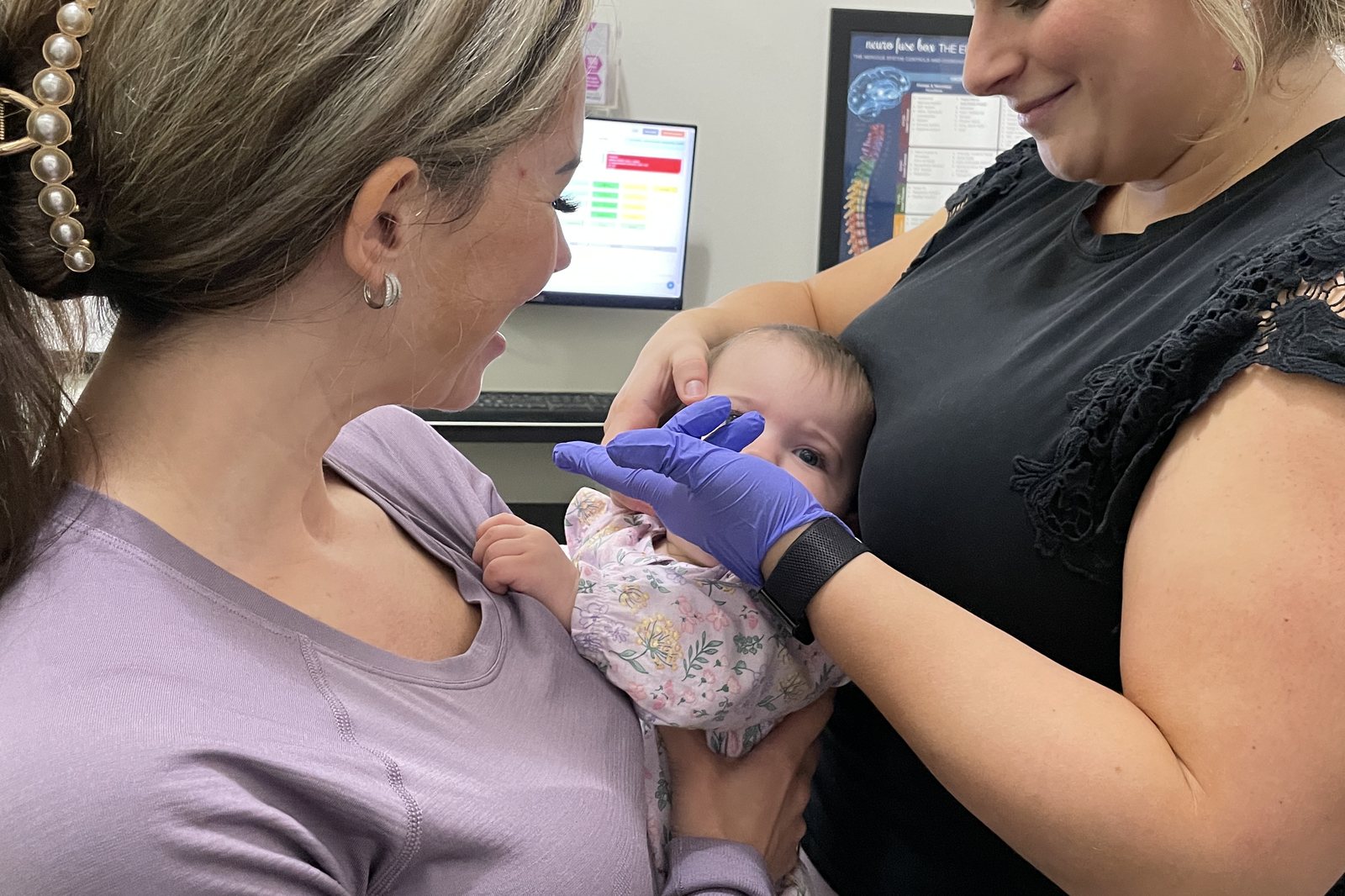
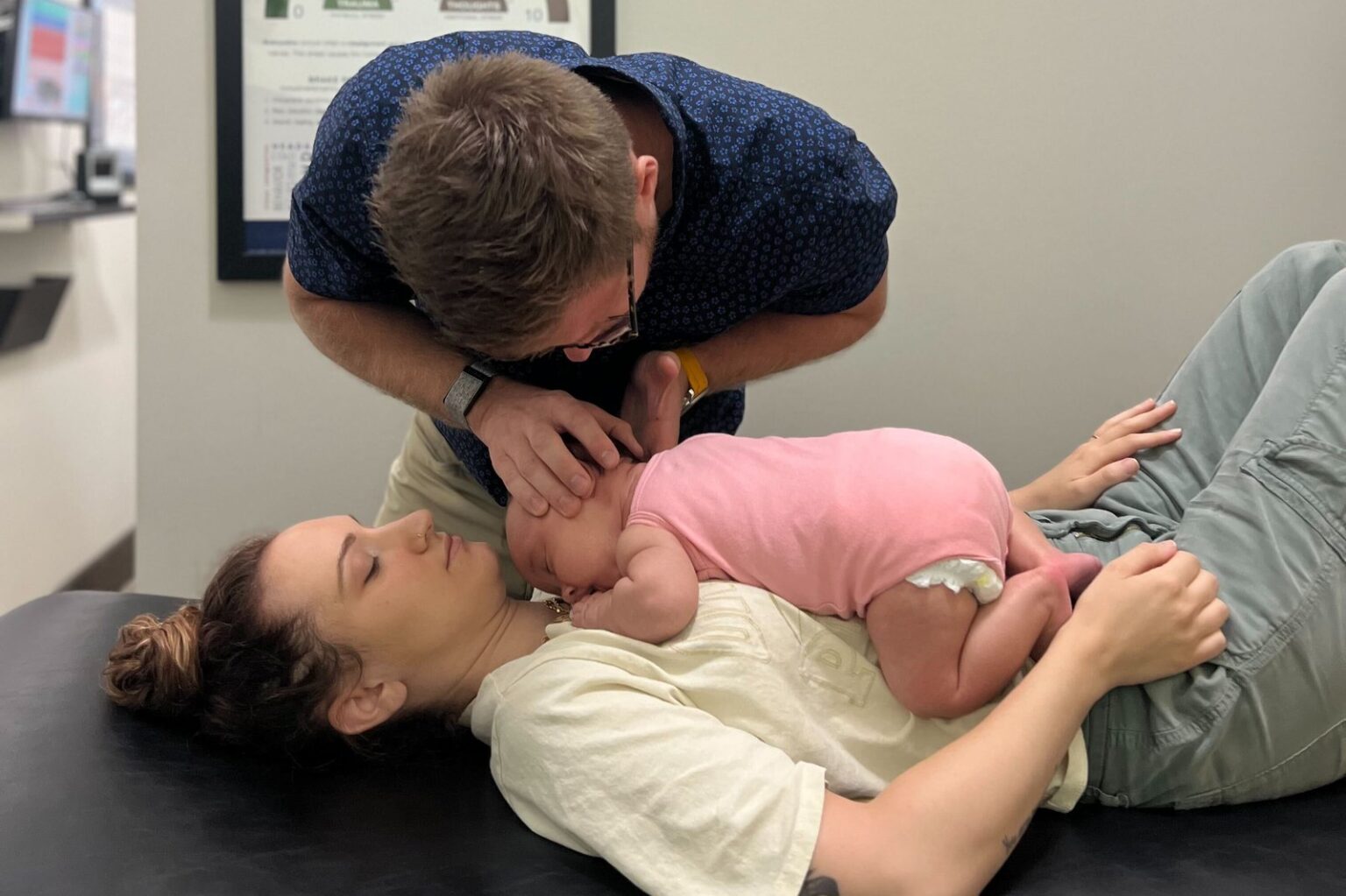
Craniopathy uses extremely gentle contacts to help the head unwind those patterns and return to a more comfortable, natural state.
Craniopathy Supports Babies With Head Shape Concerns (Plagiocephaly)
Many parents discover craniopathy while searching for help with:
- flat spots
- uneven head shape
- head-turning preference
- torticollis
- difficulty lying comfortably on their back
Because craniopathy works with both cranial movement and the nervous system, it helps babies:
- turn their head more freely
- rest more comfortably in different positions
- tolerate tummy time better
- settle more easily
- stop favoring one side
When the body moves comfortably, head shape often improves naturally.
Craniopathy Can Also Help With Feeding, Latch, and Oral Tension
The way the head and jaw move affects how the tongue, lips, and mouth function.
Babies with oral tension may show:
- shallow latch
- clicking
- popping off the breast
- swallowing air
- reflux-like symptoms
- preference for feeding on one side
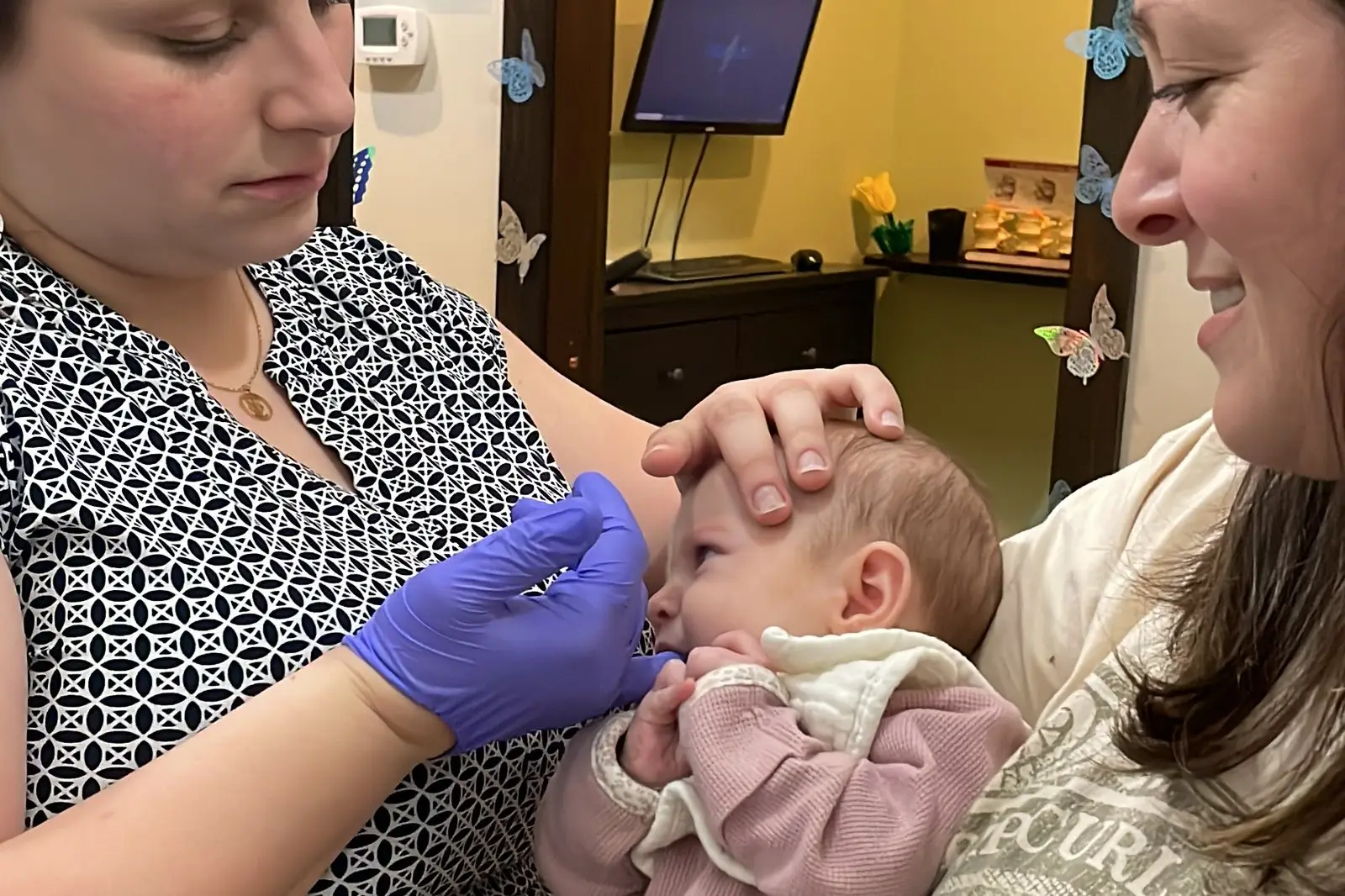
Craniopathy helps reduce tension around the jaw, palate, and upper neck which supports smoother, more comfortable feeding.
Craniopathy Is Gentle, Slow, and Baby-Led
There is no twisting, cracking, or sudden movement.
Pressure is extremely light usually about the same as checking a peach for ripeness.
Most babies:
- relax
- soften
- settle into the contact
- fall asleep
- show immediate signs of comfort
Parents often say things like:
“I didn’t realize how uncomfortable she was until she finally relaxed.”
“He melted into the table as soon as you touched his head.”
A calm baby heals best and this work helps them get there.
Craniopathy Works Best When Combined With Nervous-System-Based Chiropractic
While craniopathy focuses on the head and cranial motion, chiropractic supports the spine and nervous system as a whole.
Together, they help with:
- reflux
- colic-like discomfort
- head shape concerns
- feeding challenges
- sleep issues
- developmental tension
- ability to settle and self-regulate
When Should Parents Consider Craniopathy?
Reach out if you notice:
- a flat spot or uneven head shape
- difficulty turning the head both ways
- tight jaw or oral tension
- feeding struggles
- reflux symptoms
- stiffness or arching
- trouble lying comfortably
- high sensitivity or trouble settling
Craniopathy helps the body unwind strain that babies simply can’t release on their own.
Craniopathy Helps Babies Move, Feed, and Feel Better
Craniopathy is gentle, effective work that supports the head, neck, and nervous system in growing babies. When things move better, everything becomes easier feeding, sleeping, turning the head, settling, and developing comfortably.
If you’re noticing head shape changes, feeding difficulty, or tension patterns in your baby, we’re here to help you understand what’s going on and what’s possible.