Craniopathy: What It Is, Who It's For, and What to Expect
If you’re reading this, somebody (a friend, your dentist, a pediatrician, or maybe a podcast) mentioned craniopathy and you’re trying to figure out what it actually is. The word sounds technical. The descriptions online tend to be vague. And it’s hard to know whether it’s something that could help you or your child.
This page is meant to give you a clear, plain-language explanation of what craniopathy is, what it isn’t, who benefits from it, and what happens at a first visit. By the time you finish reading, you’ll know whether it’s worth scheduling an evaluation or whether something else might be a better fit.
What is craniopathy?
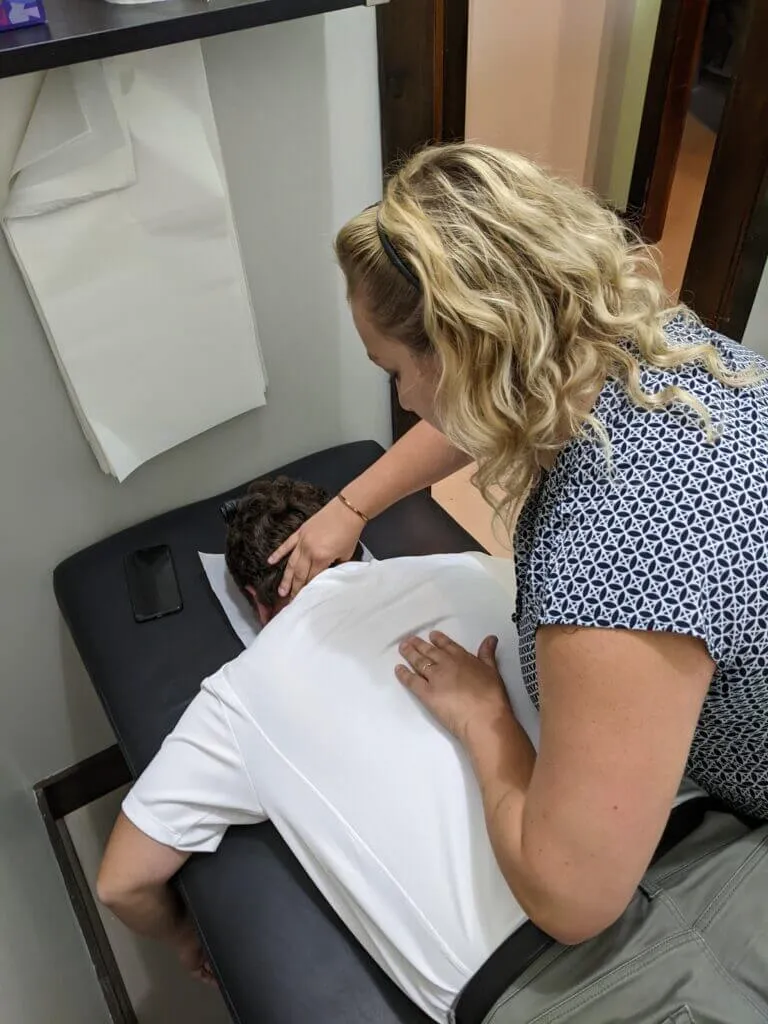
Craniopathy is a specialty within chiropractic that focuses on the bones of the head, the jaw, the upper neck, and how they all relate to the nervous system. The cranial bones are the bones that make up the head outside of the lower jaw. There are 22 of them, and contrary to what most people learn in school, they don’t fuse into one solid mass after infancy. The sutures (the seams between the bones) stay slightly mobile through adulthood. Tension patterns in those sutures can affect how the jaw works, how the upper neck moves, how the airway functions, and how the nervous system regulates everything else.
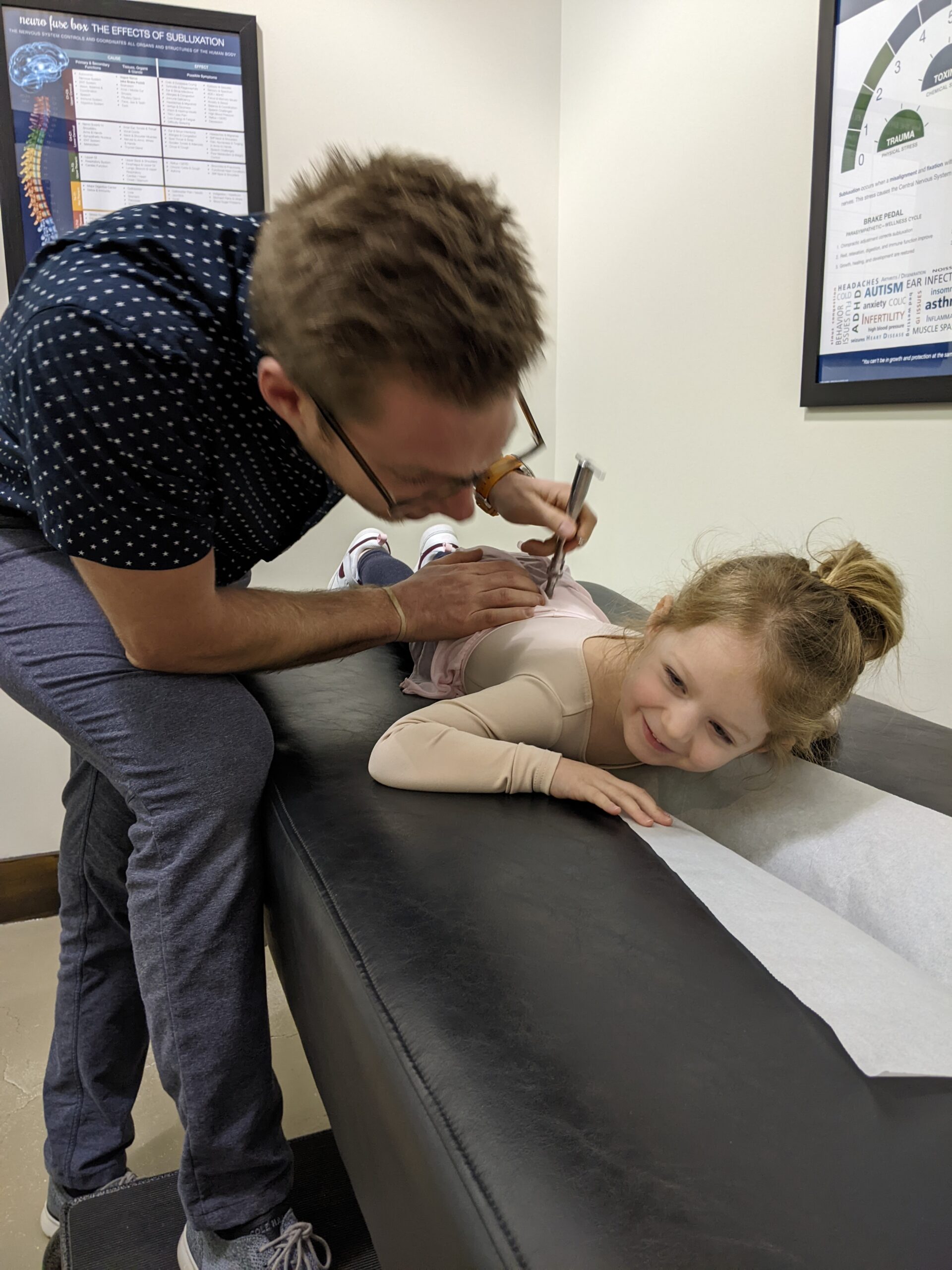
A craniopath evaluates how those cranial bones are sitting and moving relative to each other, then uses gentle, specific adjustments to release patterns of tension. The goal is to help the system work the way it’s supposed to: a calm jaw, a quiet nervous system, an airway that can breathe well at night, and an upper neck that isn’t constantly bracing.
It’s a doctor-level evaluation. Not a massage, not a guided meditation, not a generic chiropractic adjustment. It takes years of additional training beyond a standard chiropractic education to do this work well. All of our doctors at Absolute are trained and certified in craniopathy, with additional certifications in the pediatric population.
What craniopathy is NOT
There’s a lot of confusion about what craniopathy is, partly because there are similar-sounding therapies out there that work very differently. A few clarifications worth making upfront.
Craniopathy is also different from generic chiropractic.
Most chiropractors don’t work on the cranial bones at all. The standard chiropractic adjustment focuses on the spine. Craniopathy adds a layer of work on the head, the jaw, and the cranial-spinal interface. If you’ve had chiropractic care before and the doctor never put hands on your head or jaw, you haven’t had craniopathy.
Craniopathy is different from craniosacral therapy.
Craniosacral therapy is typically performed by massage therapists, occupational therapists, or other practitioners. It’s a very light-touch technique focused on what’s called the cranial-sacral rhythm. Craniopathy is performed by chiropractors with advanced training, uses specific assessment of cranial bone position and motion, and includes targeted adjustments based on neurological and structural findings. Both can feel gentle, but the evaluation, the technique, and the framework are different.

And craniopathy is not skull manipulation.
We’re not cranking on anyone’s head. The adjustments are specific, light, and based on what the exam finds. People who are nervous about having their head worked on are usually surprised by how subtle and calm the work feels.
Craniopathy is also different from generic chiropractic.
Most chiropractors don’t work on the cranial bones at all. The standard chiropractic adjustment focuses on the spine. Craniopathy adds a layer of work on the head, the jaw, and the cranial-spinal interface. If you’ve had chiropractic care before and the doctor never put hands on your head or jaw, you haven’t had craniopathy.
Craniopathy is different from craniosacral therapy.
Craniosacral therapy is typically performed by massage therapists, occupational therapists, or other practitioners. It’s a very light-touch technique focused on what’s called the cranial-sacral rhythm. Craniopathy is performed by chiropractors with advanced training, uses specific assessment of cranial bone position and motion, and includes targeted adjustments based on neurological and structural findings. Both can feel gentle, but the evaluation, the technique, and the framework are different.
And craniopathy is not skull manipulation.
We’re not cranking on anyone’s head. The adjustments are specific, light, and based on what the exam finds. People who are nervous about having their head worked on are usually surprised by how subtle and calm the work feels.
Who benefits from craniopathy
Craniopathy helps people whose symptoms involve the cranial-jaw-airway-nervous system pattern. Some of the most common groups we see at Absolute

Adults with TMJ symptoms
Jaw clicking, popping, deviation, clenching, grinding, jaw fatigue, headaches that travel between the jaw and temples. Especially common: people who’ve already tried a night guard and are looking for something that addresses why the jaw keeps bracing in the first place. See cranial chiropractic compared to dental splints and learn more about TMJ + cranial care.

Adults with chronic headaches or upper neck tension
Tension headaches, headaches behind the eyes, headaches that start in the upper neck and wrap around the head. Cranial tension and upper cervical patterns often drive these, and addressing both at once tends to be what changes them, cranial care for adults.

Infants with feeding, sleep, or regulation issues
Babies who can’t seem to settle, who arch their backs while feeding, who have trouble latching, who have a flat spot on the head, or who turn their head only one way. Birth (especially long labors, fast labors, vacuum or forceps deliveries, and C-sections) can leave cranial tension patterns that affect feeding and regulation. Cranial work, especially addressing cranial-spinal patterns in infants, is exceptionally gentle and is one of the things this practice is best known for.

Kids with mouth breathing or airway issues
Kids who breathe through their mouth at night, snore, have chronic congestion, grind their teeth, or have a narrow palate. Because cranial bone position affects the airway, early intervention during childhood, called pediatric craniopathy, is the most leveraged time to influence palate and airway development.

Adults recovering from concussion or head injury
Concussions almost always involve cranial bone strain patterns. Lingering symptoms (brain fog, headaches, sensitivity to light or sound, sleep changes) often improve when the cranial system is evaluated and addressed alongside standard concussion care.

People with stress-related nervous system patterns
The cranial bones, the upper neck, and the vagus nerve are all in close relationship. People who feel stuck in a state of bracing, hyperarousal, or chronic muscle tension often respond well to cranial work because of how directly it affects nervous system regulation.
Adults with TMJ symptoms
Jaw clicking, popping, deviation, clenching, grinding, jaw fatigue, headaches that travel between the jaw and temples. Learn what a TMJ chiropractor does. Especially common: people who’ve already tried a night guard and are looking for something that addresses why the jaw keeps bracing in the first place. See cranial chiropractic compared to dental splints and learn more about TMJ + cranial care.
Adults with chronic headaches or upper neck tension
Tension headaches, headaches behind the eyes, headaches that start in the upper neck and wrap around the head. Cranial tension and upper cervical patterns often drive these, and addressing both at once tends to be what changes them, cranial care for adults.
Infants with feeding, sleep, or regulation issues
Babies who can’t seem to settle, who arch their backs while feeding, who have trouble latching, who have a flat spot on the head, or who turn their head only one way. Birth (especially long labors, fast labors, vacuum or forceps deliveries, and C-sections) can leave cranial tension patterns that affect feeding and regulation. Cranial work, especially addressing cranial-spinal patterns in infants, is exceptionally gentle and is one of the things this practice is best known for.
Kids with mouth breathing or airway issues
Kids who breathe through their mouth at night, snore, have chronic congestion, grind their teeth, or have a narrow palate. Because cranial bone position affects the airway, early intervention during childhood, called pediatric craniopathy, is the most leveraged time to influence palate and airway development.
Adults recovering from concussion or head injury
Concussions almost always involve cranial bone strain patterns. Lingering symptoms (brain fog, headaches, sensitivity to light or sound, sleep changes) often improve when the cranial system is evaluated and addressed alongside standard concussion care.
People with stress-related nervous system patterns
The cranial bones, the upper neck, and the vagus nerve are all in close relationship. People who feel stuck in a state of bracing, hyperarousal, or chronic muscle tension often respond well to cranial work because of how directly it affects nervous system regulation.
What a craniopathy evaluation looks like
1
We start with a conversation. We want to know what’s going on, what you’ve already tried, what the pattern looks like day to day, and what’s brought you in now. This isn’t a five-minute intake. We listen, we ask questions, and we make sure we understand the picture before we touch anything.
2
Then we evaluate. The exam is hands-on. We assess cranial bone position and motion at the relevant sutures, the jaw and TMJ, the upper neck (especially the C0 to C2 region), and how the nervous system is responding. Depending on what we find, the exam may include neurological screening, postural assessment, and observation of how the body is moving overall.
3
We explain what we find in plain language. You’ll know what patterns are there, what we think is driving the symptoms, what care would look like, and how our approach would help. If another provider would add something, we’ll tell you and work with them.
4
If we move forward, the first adjustment is part of the same visit or scheduled shortly after. We’ll set up a re-exam at a planned point so we can compare what’s actually changed.
What a craniopathy adjustment feels like
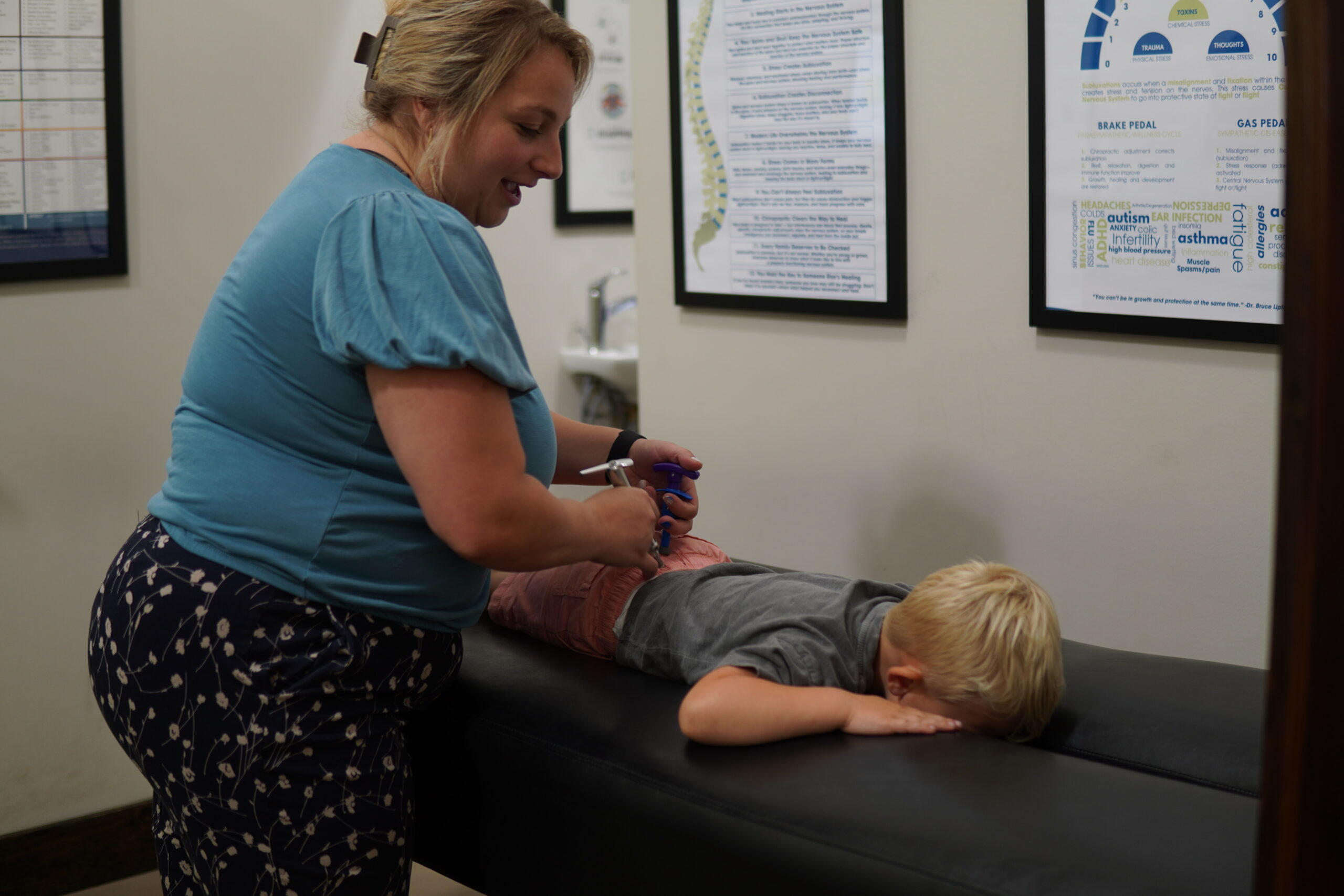
The most common reaction we get after a first cranial adjustment is some version of “that was way more subtle than I thought it would be.” People expect cracking, popping, or pressure. They get something much quieter.
A cranial adjustment is a precise, light contact at a specific point on the head, jaw, or upper neck, held for a short period to allow the tension pattern to release. There’s no twisting, no force, no sudden movement. Most people describe it as relaxing. Many people fall asleep during the work, especially babies and kids.
If you’ve had bad chiropractic experiences in the past, this work doesn’t look like that. If you’re nervous about having someone work on your head, that’s understandable, and we walk you through it before we start.
The connection between cranial function, the jaw, and the nervous system
Here’s the framework that ties everything together. The cranial bones house the brain and form the structural environment for the nervous system. The jaw connects to the cranial bones through the temporomandibular joint. The upper neck connects the cranial system to the spine and houses some of the most neurologically important segments in the body. The vagus nerve, which regulates the rest-and-digest side of the nervous system, runs right through this region.
When tension shows up in the cranial-jaw-upper neck area, it doesn’t stay there. It influences how the nervous system regulates everything else. That’s why people with TMJ often have anxiety, sleep issues, and digestive symptoms. It’s why babies with cranial strain patterns often have trouble feeding and self-regulating. It’s why kids with mouth breathing often also have sensory and sleep issues.
Where a splint is the right tool: heavy nighttime grinding, visible tooth Craniopathy doesn’t claim to fix every one of those things directly. It addresses the structural and neurological inputs that drive a lot of them. When the system isn’t bracing through this region anymore, a lot of downstream symptoms tend to settle., fractured or chipped teeth from clenching, or a clear bite issue your dentist has identified. If your dentist tells you a splint is needed to protect your teeth, that’s a real reason and worth listening to.
Why credentials matter
Craniopathy isn’t taught at the same level in every chiropractic program. Some chiropractors graduate having done a single intro course on cranial work. Others spend years pursuing post-doctoral certifications in pediatric craniopathy, sacro-occipital technique (SOT), and related advanced cranial methods. The depth of training shows up in the quality of the exam and the precision of the work.
All of our doctors at Absolute are trained and certified in craniopathy, with additional certifications in the pediatric population. The team continues to pursue advanced education in airway, jaw, and nervous system development.
If you’re looking for someone to do cranial work on you or your child, ask about their training. “I do some cranial” and “I’m a Certified Pediatric Craniopath” are very different answers.
Common Questions About Craniopathy
No. They sound similar and they both involve the head, but they're different practices. Craniosacral therapy is typically practiced by massage therapists, occupational therapists, or other allied providers, and uses a very light-touch technique focused on what's called the cranial-sacral rhythm. Craniopathy is a chiropractic specialty performed by doctors of chiropractic with advanced post-doctoral training. The exam is more structured, the assessment includes neurological and orthopedic screening, and the adjustments are based on specific findings. Both can feel gentle to the patient. The training, framework, and scope are different.If at some point your dentist re-evaluates and feels the splint is no longer needed, that's a conversation between you and your dentist. We don't make that call.
Yes. Cranial work for infants is one of the gentlest and most established applications of this work. The contact is light, the pressure is less than what you'd use to test a tomato for ripeness, and the goal is to help the cranial system settle into a calmer pattern after birth.
Most parents who bring babies in for cranial work do so for feeding issues, sleep issues, head shape, or general fussiness and regulation. Many babies fall asleep during the visit. All of our doctors are certified in pediatric craniopathy, which is the post-doctoral credential for chiropractors who have done the advanced training in pediatric cranial care.
Most parents who bring babies in for cranial work do so for feeding issues, sleep issues, head shape, or general fussiness and regulation. Many babies fall asleep during the visit. All of our doctors are certified in pediatric craniopathy, which is the post-doctoral credential for chiropractors who have done the advanced training in pediatric cranial care.
No. Cranial adjustments are light, specific, and held for short periods. There's no cracking, twisting, or sudden movement. Most people describe the work as relaxing. People who've had bad chiropractic experiences in the past are often surprised by how different this feels from what they expected.
If you have a tender area (a recent injury, a sensitive jaw, post-concussion), we adjust the contact and pressure accordingly. Tell us what's tender and we'll work around it.
If you have a tender area (a recent injury, a sensitive jaw, post-concussion), we adjust the contact and pressure accordingly. Tell us what's tender and we'll work around it.
It depends on what we find. For straightforward TMJ or headache patterns, many people see meaningful changes within the first few weeks. Longer-standing patterns and developmental cases (kids with airway or palate issues, complex pediatric cases) typically take longer because we're working with the body to influence growth and development over time.
We don't believe in selling oversized care plans or guessing at numbers. After your evaluation, we'll give you our best read on what care would look like and we'll set a clear point for re-exam so we can see what's actually changed.
We don't believe in selling oversized care plans or guessing at numbers. After your evaluation, we'll give you our best read on what care would look like and we'll set a clear point for re-exam so we can see what's actually changed.
Coverage varies by plan. Some insurance plans cover chiropractic care that includes cranial work, others don't. We do a complimentary benefits check at your first visit so you know what your specific plan looks like. We can also provide a superbill for reimbursement when applicable, which many patients use to recover part of their costs.
If insurance is a key factor for you, ask us about it on your first call and we'll talk you through the options.
If insurance is a key factor for you, ask us about it on your first call and we'll talk you through the options.
For many people, yes. A lot of chronic headache patterns (tension headaches, headaches behind the eyes, headaches that start in the upper neck) involve cranial tension, upper cervical patterns, and jaw input. Addressing those areas through craniopathy often shifts the headache pattern in a way that medication and stretching alone don't.
If your headaches are sudden, severe, accompanied by neurological symptoms, or new in a way that concerns you, see a medical doctor first. Cranial work is appropriate for chronic and recurring headache patterns, not for the workup of a new and concerning symptom.