
What Is the Connection Between Tinnitus and TMJ?
Why Does Jaw Tension Affect the Ears?
What Does Jaw-Related Tinnitus Feel Like?
- Ear ringing or buzzing that shifts in intensity throughout the day or worsens under stress
- A sense of fullness or pressure in one or both ears without a clear hearing-related cause
- Jaw clicking, popping, or noticeable deviation when you open your mouth
- Morning jaw tightness or soreness in the teeth and facial muscles
- Neck tension that runs along the jaw line or into the base of the skull
- Headaches concentrated near the temples or jaw area
- Ear symptoms that increase during periods of clenching, stress, or grinding
How Do You Evaluate TMJ-Related Ear Symptoms?
Who Should Consider a TMJ Evaluation for Ear Symptoms?
- Have seen an audiologist or ENT and still do not have a clear explanation for your symptoms
- Notice your ear symptoms worsen when jaw tension or stress increases
- Are also dealing with jaw clicking, morning tightness, or facial tension
- Have worn a night guard but still have ongoing tension or ear pressure
- Want to understand whether the jaw is contributing before pursuing further testing
Jaw tension rarely shows up alone. If clenching, clicking, or facial tightness is part of your picture, our TMJ and cranial chiropractic care explains how we evaluate and support the jaw directly.
About Absolute Chiropractic in Sea Girt, NJ
Common Questions
Can TMJ really cause ringing in the ears?
The TMJ sits directly in front of the ear canal and shares anatomical connections with the surrounding bone, muscle, and nerve supply. When jaw tension creates altered mechanics or muscle tightness in that region, it can produce referred symptoms including ringing, buzzing, or a sense of ear fullness. This pattern is well-documented in the clinical literature. It does not mean the jaw is always the cause of tinnitus, but when ear symptoms and jaw tension appear together, the TMJ is worth evaluating.
How do I know if my tinnitus is related to my jaw or a hearing issue?
A pattern that points toward the jaw is tinnitus that changes with jaw movement, increases during stress or clenching, or shows up alongside jaw clicking, morning soreness, or facial tightness. If an audiologist or ENT has cleared you for hearing loss and the symptoms continue, a TMJ evaluation is a logical next step. The jaw and the ear can both contribute, and knowing which system is involved helps you decide what to address first.
What does a TMJ evaluation cover when ear symptoms are involved?
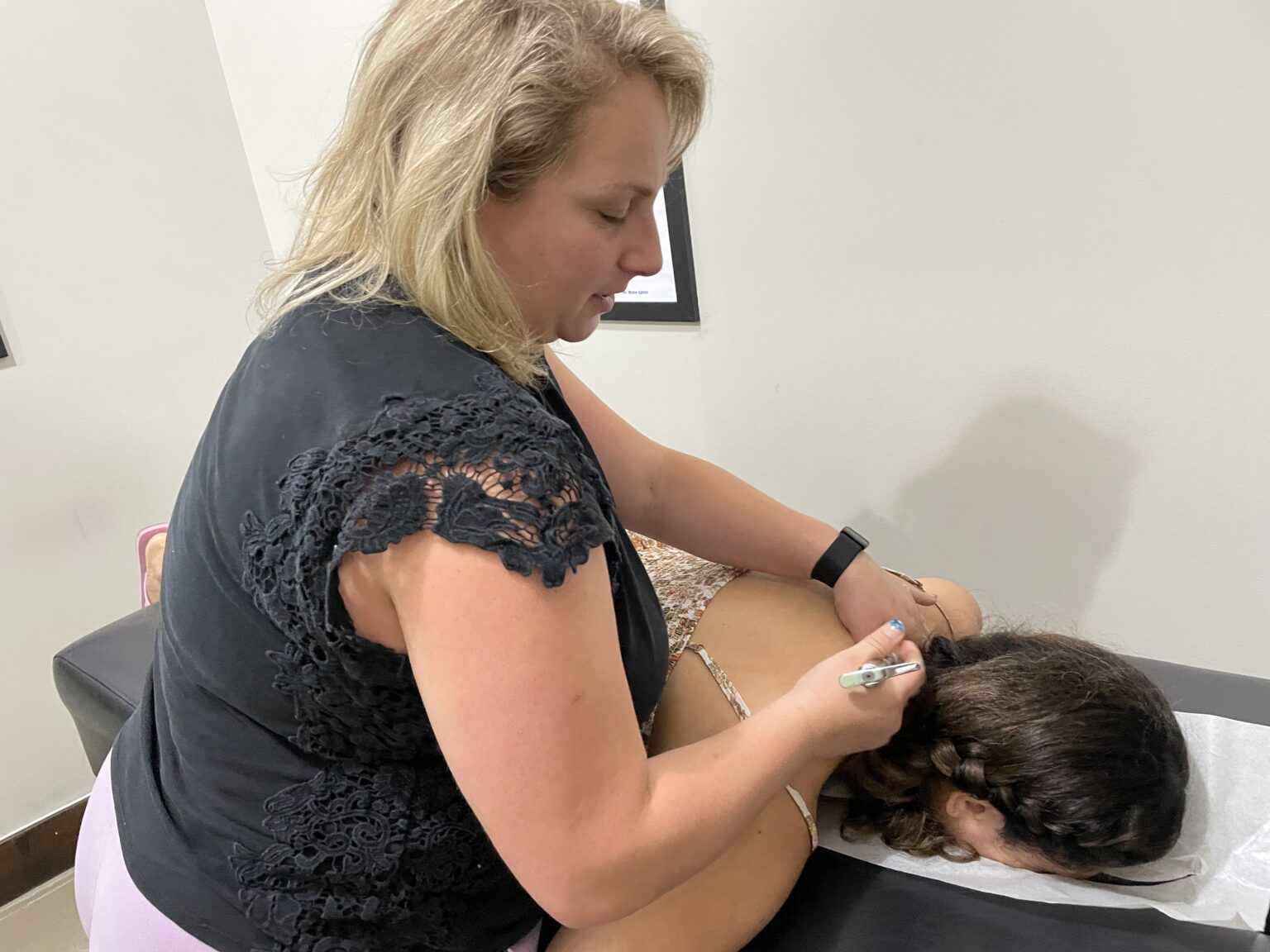
We assess jaw movement and deviation patterns, upper cervical tension, cranial tension affecting the temporal bone, nervous system tone, and your full treatment history including any dental appliances. You leave with a clear explanation of what we found, what it likely means for your pattern, and whether our approach is a fit.
I already have a night guard. Why do I still have ear fullness and jaw tension?
A night guard protects the teeth from clenching force. It does not address the pattern driving the clenching or the tension in the jaw muscles, upper neck, and cranial structures. Many people who wear guards consistently still have significant jaw tension, ear fullness, or related symptoms because the underlying mechanical pattern has not been evaluated. That is a common starting point for patients who come to Absolute.
Do you treat tinnitus as a diagnosis?
Tinnitus as a standalone hearing condition is outside our clinical scope. What we evaluate and address is jaw, upper neck, and cranial tension that may be contributing to ear-based symptoms in some patients. If someone’s tinnitus is related to hearing damage, an inner ear disorder, or a condition outside our scope, we say so and help connect them with the right provider.
Is jaw-related tinnitus something that affects teens too?
Yes. Teens with jaw instability, headaches, and ear-based symptoms are part of the work we do at Absolute. The same jaw and cranial tension patterns that show up in adults can develop earlier, particularly in teens with a history of mouth breathing, orthodontic treatment, or chronic stress. If a teen has these overlapping symptoms, an evaluation is worth considering.
