
Cranial Chiropractic and Airway Orthodontics: Better Results When Both Are in the Picture
Co-authored by Dr. Anthony Pellegrino, DC, DACCP of Absolute Chiropractic in Sea Girt NJ and Dr. Greg Campi of the Orthodontic Wellness Center at Campi Dental in Wall Township NJ.

Cranial chiropractic and airway orthodontics work on the same problem from two different angles. When both providers are involved, families get better results than either one produces alone. Both of our offices see this over and over in shared cases.
Here is the pattern. A family is working with one provider and making progress, but something will not fully resolve. The expansion is going well, yet the child is still tense, still breathing through the mouth at night, still sleeping badly. Or the chiropractic care is helping with calm and posture, but the tongue has nowhere to go because the palate is still narrow, so the gains are hard to hold.
In most of those cases, the missing piece is the other provider.
One of us works with the soft tissue, the nervous system, and how freely the skull bones move. The other works with the hard structure of the palate, the arch, and the bite to open the room the airway and tongue need. Neither one replaces the other. With both involved, results come faster and hold better.
What cranial chiropractic adds to orthodontic cases
Palatal expanders and functional appliances move bone. They change how the jaw, skull, and airway sit in relation to each other. That is real work, and the cranial system has to take it in.
During active expansion, the skull bones adapt to new pressure. Tension often builds in the upper neck as the body adjusts. The nervous system can shift into a more guarded state while the structure changes around it. Children who get cranial chiropractic care during orthodontic treatment tend to move through it with less struggle. The changes the orthodontist is making are easier to hold when the cranial system moves freely and the nervous system is calm.

Many orthodontic patients also carry long standing cranial tension that started well before any appliance. Mouth breathing, forward head posture, and a clenched jaw all leave their mark in the skull and upper neck. Easing those patterns improves tongue posture and resting breathing, which is exactly what airway orthodontics is aiming for. The orthodontic result holds better once the tension behind the original pattern has been addressed.
What airway orthodontics adds to chiropractic cases
Cranial chiropractic can improve how the system works, but function still depends on structure. If the palate is narrow and the tongue has no room to rest where it belongs, the chiropractic work is pushing against a wall. Gains in tongue posture, breathing, and nervous system calm are hard to keep when the space is not there to support them.
Airway focused expansion creates that space. Once the palate opens, the tongue can rest in the right place, the airway widens, and the nervous system can come out of the guarded state it has held for years. Chiropractic patients who add expansion often find their results go deeper and last longer than before. The body stops fighting the correction because the correction finally has somewhere to land.
An early orthodontic evaluation also gives the chiropractic side a clearer picture. Knowing the arch width, the bite, and how the palate has developed shows what limits are in play. That shapes both the treatment plan and the timing of any referral.

What coordinated care looks like in practice
When a patient is shared between our offices, we talk to each other directly. Notes pass between us once families give the go ahead. Timing gets coordinated rather than assumed. If a child is about to start expansion, the chiropractic plan shifts to support it. If a chiropractic patient has a structural limit that orthodontics can open up, that conversation happens early instead of after progress has stalled.
Families end up with one plan instead of two providers each working a piece without knowing what the other is doing. The cases that move fastest are the ones where both sides are mapped out from the start.
What this means for your family
If your child is in orthodontic care and still deals with mouth breathing, tension, poor sleep, or trouble settling, a cranial chiropractic evaluation is worth having. Tension patterns may be limiting the structural work the orthodontist is doing.
If your child is in chiropractic care and your provider has noticed a narrow palate, a forward jaw, or tongue posture that will not correct, an airway orthodontic evaluation will tell you whether expansion belongs in the plan.
You do not have to pick one or wait for one to finish before starting the other. In most cases the overlap is where the progress happens.

From each of us
Something I stress with families is that we are one body from head to toe. Head position, facial posture, and body alignment are all connected. When cranial tension drops and the nervous system settles, the expansion work goes better and the changes hold. When the palate opens the room, the chiropractic results deepen. The progress builds on itself when both sides are handled.
Frequently asked questions
1. Can my child see a chiropractor and an orthodontist at the same time?
Yes, and getting both providers involved early usually leads to better results. Each evaluation gives the other provider useful information. Once both of us know what we are working with, timing and sequence can be planned together.
2. My child is already in orthodontic treatment. Can they still start chiropractic care?
Yes. Starting partway through expansion is common and often makes a real difference. The body is actively adapting to structural change during treatment, and cranial work helps the nervous system take that movement in rather than brace against it. Children who start mid expansion often break through a plateau.
3. How do I know if my child needs palate expansion as well as chiropractic care?
An airway orthodontic evaluation gives you a clear read on the structure. Signs that expansion may belong in the plan include a narrow palate, crowded teeth, ongoing mouth breathing, tongue posture that is hard to correct, and chiropractic gains that improve but will not hold.
4. What is airway orthodontics and how is it different from traditional braces?
Airway orthodontics widens the palate and jaw to support tongue posture, nasal breathing, and facial growth. Traditional orthodontics straightens teeth. Airway orthodontics looks at why the teeth crowded in the first place and whether the airway is wide enough for easy breathing at rest and during sleep. The timing, appliances, and protocols are different.
5. Is cranial chiropractic safe for babies and young children?
Yes. Pediatric cranial technique uses very light pressure, often only a few grams, on the skull, upper neck, and sacrum. It looks almost nothing like adult chiropractic care. Most children relax during the visit. Newborns through teenagers are seen this way every day.
6. Do the chiropractor and orthodontist coordinate care for shared patients?
Yes. Both offices share notes directly once families give the go ahead. Plans are coordinated rather than run in parallel, and timing decisions are made with both providers in the picture.
7. What is postural orthodontics, and what does tongue posture have to do with jaw development?
Postural orthodontics treats the bite and the palate as part of how the whole body is held, rather than as teeth on their own. The aim is alignment from head to toe, with the jaw and face working with the body instead of against it. Ideal oral posture has four parts: lips sealed, breathing through the nose, teeth resting lightly together, and the tongue resting on the roof of the mouth. Tongue position matters most. In a growing child, the tongue pressing gently on the palate is what widens it naturally. When that posture is there, the palate grows wide enough. When it is missing, the palate narrows, the airway follows, and the problems that bring families to both of our offices build over years. Cranial chiropractic supports this by easing the nervous system tone and cranial tension that decide whether a child can hold correct oral posture at all. A child who is wound up, or carrying high cranial tension, will struggle to keep the tongue in place even after expansion has made the room.


Dr. Greg Campi
Dr. Greg Campi is a second generation orthodontist who has practiced for more than thirty years. He leads the Orthodontic Wellness Center at Campi Dental in Wall Township, across Route 35 from our office. His work focuses on airway health and facial balance rather than teeth alone. He is a member of the Foundation for Airway Health, the American Academy of Physiological Medicine and Dentistry, and the North American Association of Facial Orthotropics.
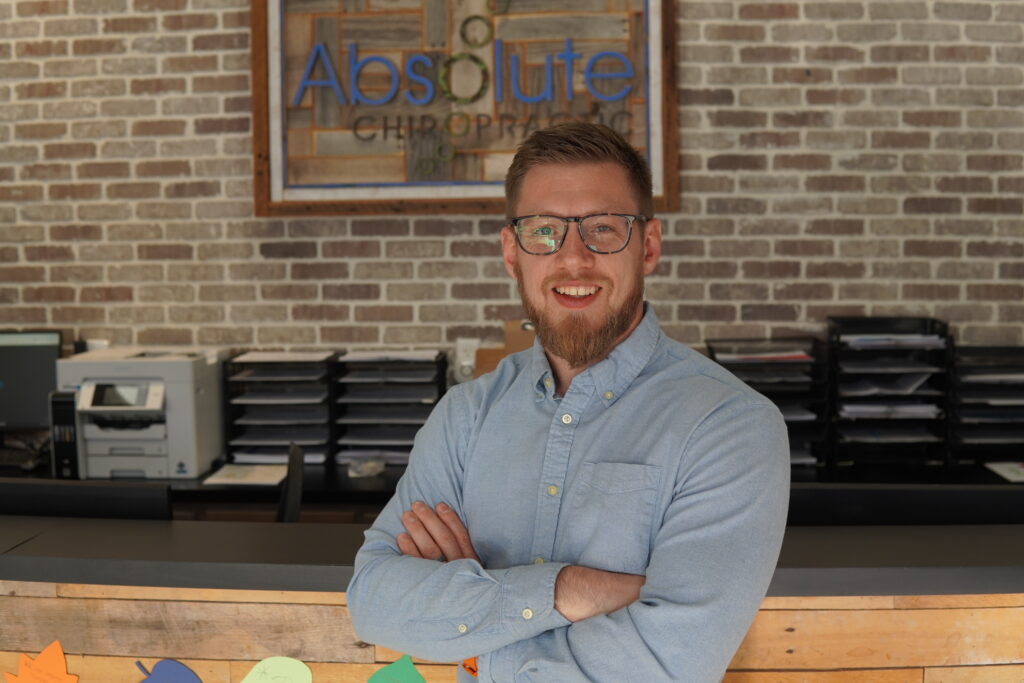
Dr. Anthony Pellegrino, DC, DACCP
Where to start
If any of this sounds like your child, the next step is an evaluation. You can start with either office, and we share what we find so both sides of the picture move together.