How to Choose a
Chiropractor
The best way to choose a chiropractor is to look at what they check before they adjust. A good chiropractor looks at your nervous system and at how your spine moves, segment by segment, instead of only the spot that hurts. Then they explain what they found in words you understand. This guide covers what a good first visit looks like, what a good chiropractor will not do, and the questions to ask before you book.
What a good chiropractor checks first
A good first visit starts with your story and an exam, never an adjustment. After a full health history, a thorough exam looks at:

How your nervous system is handling stress, measured with INSiGHT nerve scans

How your spine moves, segment by segment, and where it has stopped moving well

Motion X-rays when they are needed, to see how the neck moves as well as how it sits

How your body is bracing against stress, from the head and neck down
Your nervous system runs every part of your body, and your spine protects it. When one segment stops moving well, the nerves around it stay under stress, often long before anything hurts. That is why a good chiropractor checks the whole system first. If someone adjusts you on the first visit without an exam, or cannot explain what they found, keep looking.
What a good chiropractor does NOT do
A few things to watch for on a first visit.

Does not adjust before examining.
The first visit is for finding out what is going on: your health history, the exam and the scans. Care starts once the findings are clear and explained.

Does not chase only the spot that hurts.
Pain shows where the body is struggling, and the cause is often somewhere else. A good chiropractor checks the whole spine, segment by segment, and how the nervous system is coping.

Does not use force on babies or children.
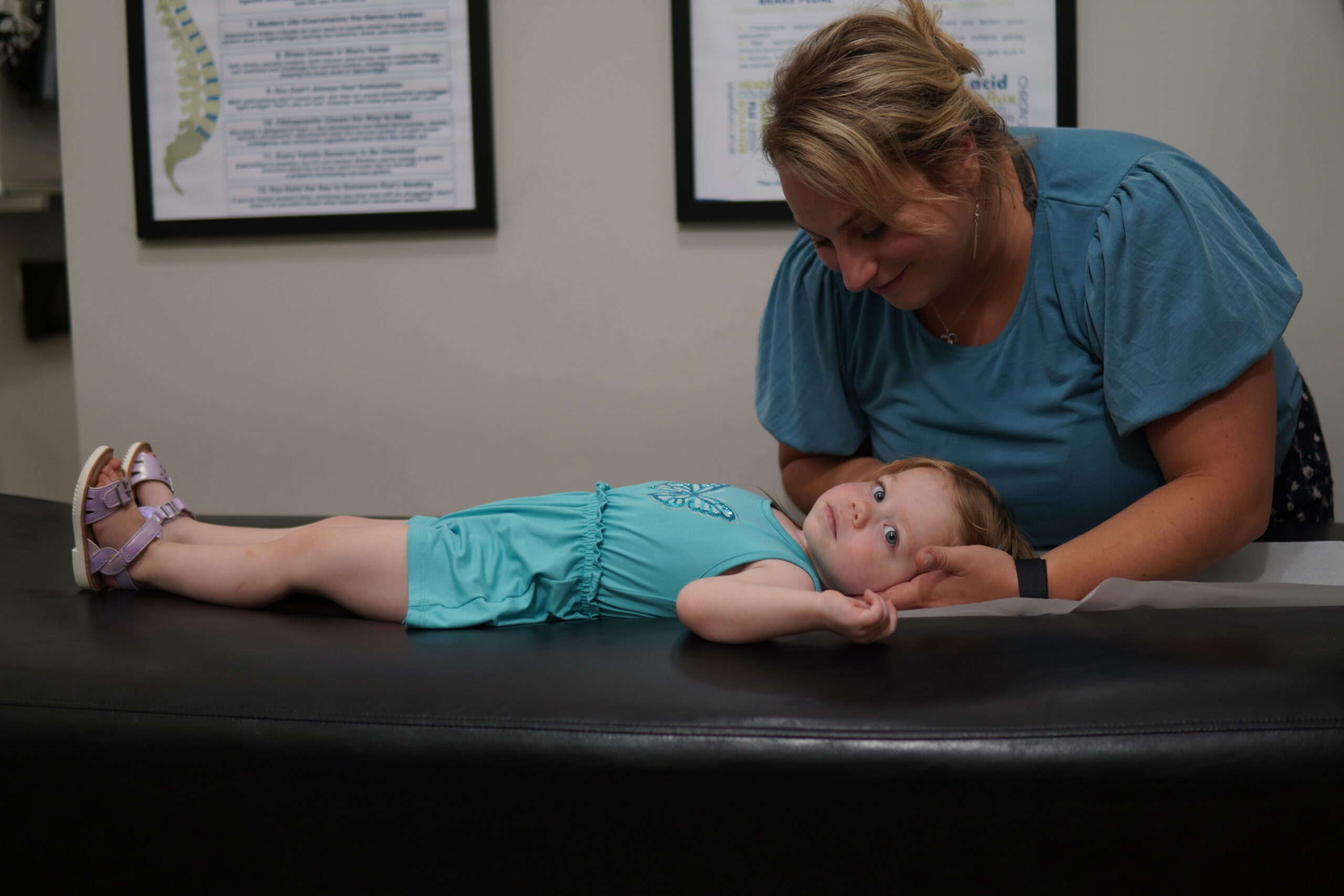
Care for infants and kids is gentle, light-pressure work, with no cracking or twisting.

Does not promise results or tell you to stop your medication.
If something needs a medical doctor, a dentist or another specialist, a good chiropractor tells you and helps you find one.

Here is what we do. We examine how your nervous system is handling stress and how your spine moves, explain what we find, and use precise, gentle adjustments to help your nervous system adapt. Then we re-check, so you can see what is changing.
How chiropractic offices differ
Chiropractic offices work in different ways, and many focus on quick visits for pain relief. Neurologically based offices like ours focus on the nervous system: how well it handles stress and how clearly your brain and body communicate. We care for whole families, from newborns and kids to moms in pregnancy and adults with TMJ and jaw pain. Before you book, ask how an office works and what it checks on the first visit.
What a first visit looks like here
Here is how a first visit at Absolute works.
1
We start by listening.
We want to know what is going on, when it started, what makes it better or worse, and what you have already tried. For a baby or child, that includes the birth, feeding and sleep.
2
Then we examine.
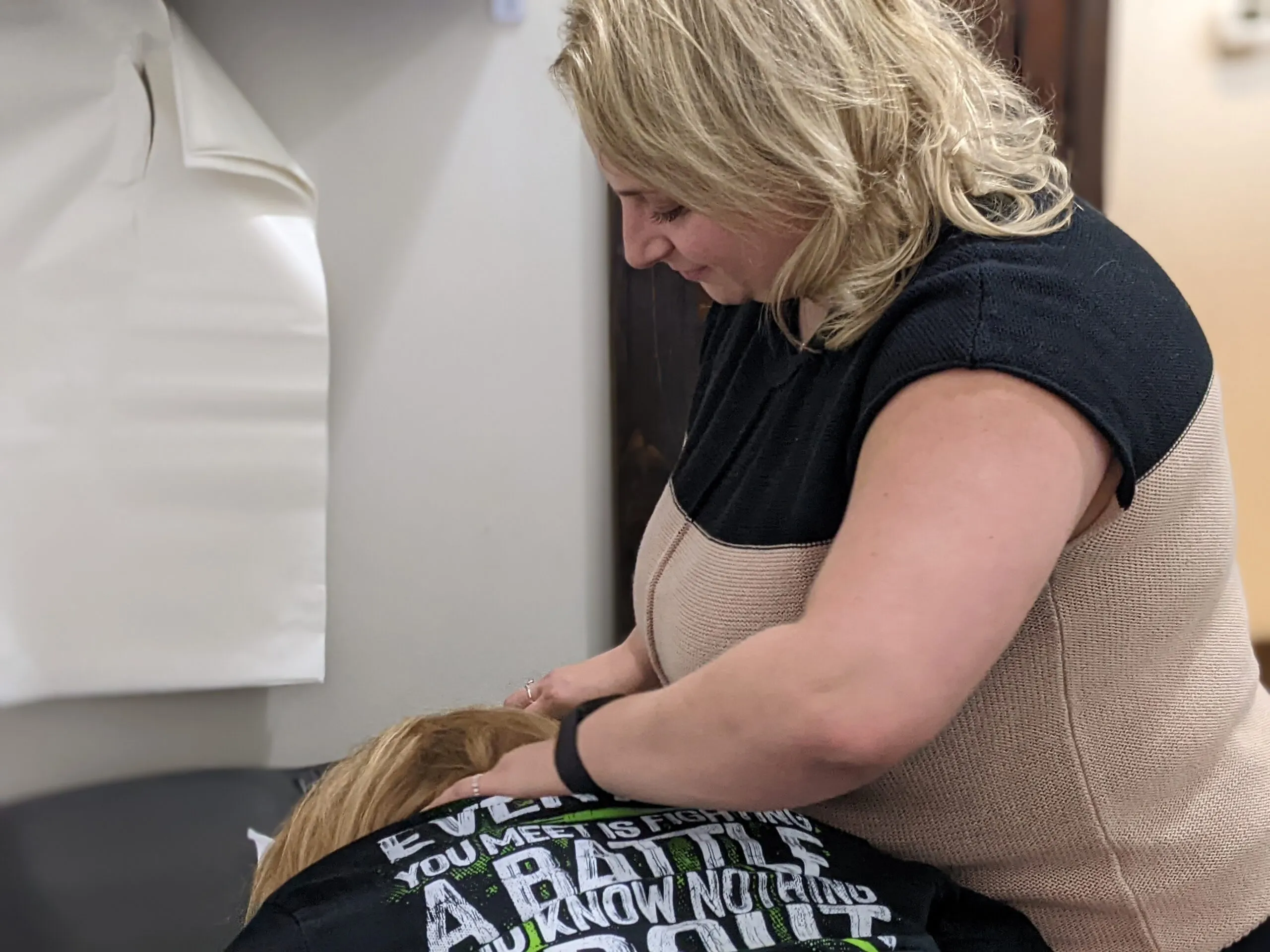
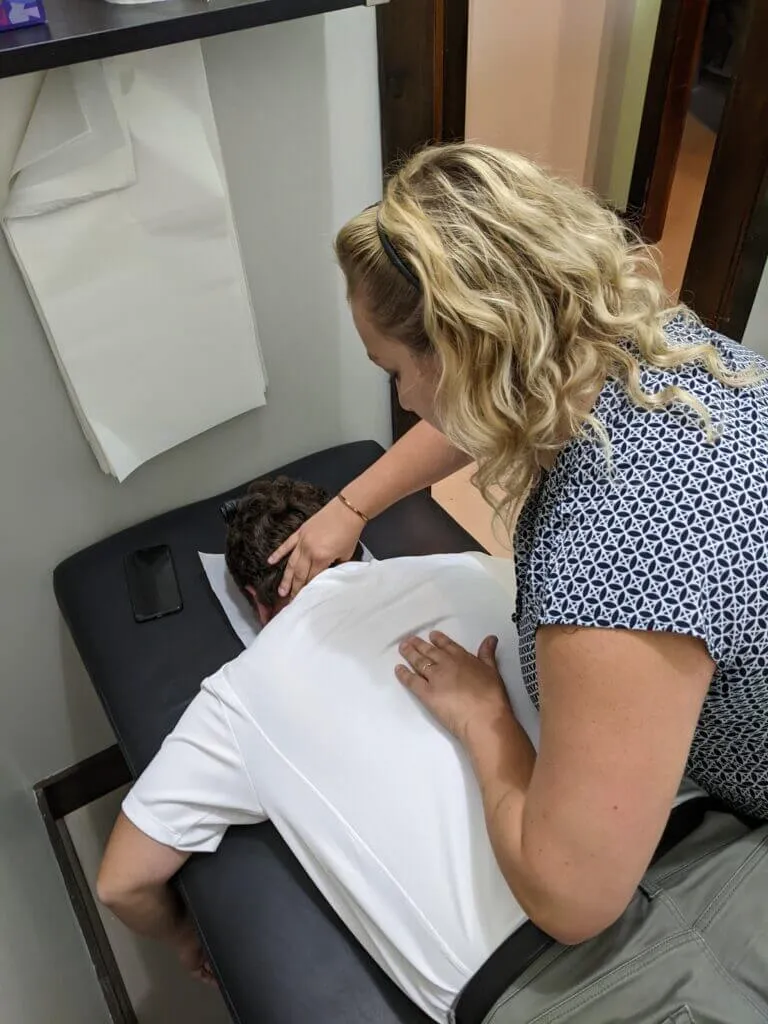
The exam is hands-on. We check how your spine moves, segment by segment, run INSiGHT scans to see how your nervous system is handling stress, and take X-rays when they are needed, including motion X-rays for adults.
3
We explain what we find in plain language.
You will know what we found, what we think is driving it, and how we would care for you, including cranial care when the exam calls for it. If our approach is not the right fit, we tell you.
Questions to ask before you book
A good office will be glad to answer these before your first visit:

What do you check on the first visit?
How do you check my nervous system?

Do you take X-rays, and when?
Do you check how each part of my spine moves?
Do you see babies and children, and what training do your doctors have for it?
Do you work with my insurance, and can you check my benefits?
If an office is vague about any of these, keep looking. Our answers are in the questions below.
Credentials worth looking for
Every chiropractor earns a doctor of chiropractic degree and is licensed by the state. Some go further, with post-doctoral training in pediatrics, pregnancy or cranial care. If you are bringing a baby, a child or a pregnancy, that extra training matters.
When you are comparing offices, ask about:
Pediatric training, such as the DACCP (Diplomate of the Academy Council of Chiropractic Pediatrics), the highest certification in pediatric chiropractic
Webster certification for care during pregnancy
Cranial training, such as Certified Pediatric Craniopath (CSCPP), a credential only eleven chiropractors in the world hold
Whether they work alongside your pediatrician, OB, midwife, dentist or lactation consultant
At Absolute, two of the eleven Certified Pediatric Craniopaths in the world practice here, one of our doctors holds the DACCP, and our doctors are all Webster certified. If you want to know who will see you, ask when you call.
Common Questions About Choosing a Chiropractor
A good chiropractor examines before adjusting and looks at the whole nervous system instead of only the spot that hurts. Look for an exam that checks how your spine moves, segment by segment, and how your nervous system is handling stress, with X-rays when they are needed. The doctor should explain what they found in plain words, and their training should match who you are bringing in.
You decide. Care starts with an exam and a clear goal, and we re-check along the way so you can see how your nervous system is changing. Once that goal is met, most families choose to keep coming, because a nervous system that handles stress well helps them grow, develop and live at 100%.
Each office decides for itself whether to join insurance networks. We work with insurance on an out-of-network basis, and we are happy to check your benefits at your first visit, so you know where you stand before you decide anything.
No. In New Jersey you can see a chiropractor without a referral. Some insurance plans ask for one before they pay, and we can check that at the first visit. Many parents also keep their pediatrician in the loop, and we are glad to work alongside them.
From the first days of life. Our doctors see newborns in their first weeks, and most parents who come in after a birth do so within the first two weeks. Care for babies is gentle, light-pressure work. Ask about your child's age on a free 15-minute call.
A conversation, then a hands-on exam, then a plain-language explanation of what we found. The exam includes INSiGHT scans of how your nervous system is handling stress and a check of how your spine moves, segment by segment. For adults it can include X-rays, including motion X-rays that show how the neck moves as well as how it sits. Care starts once you know what we found and why.
Yes, when it is done by a chiropractor trained in pediatric care. The work is light and specific, with no cracking or twisting. There is more on this in Is Chiropractic Safe for Babies?
Start with offices that examine first, explain clearly, and have training for the people you are bringing in. Our office is in Sea Girt Square at 2100 Route 35 in Sea Girt, and families come to us from across Monmouth and Ocean County. Call or text (732) 756-1159 with your questions.