
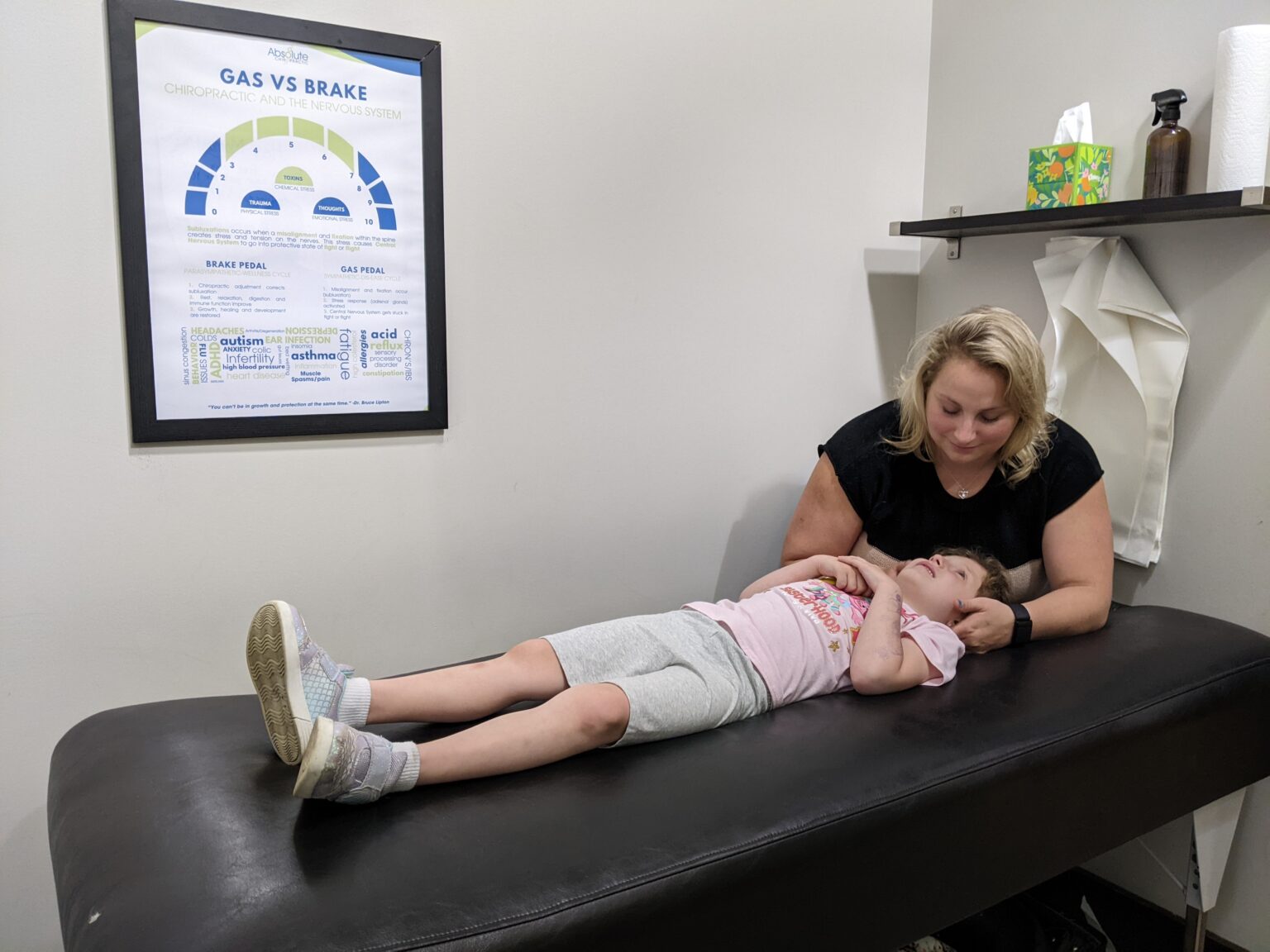
If you’re in Sea Girt and struggling with jaw tightness, popping, headaches, or that deep “I just want my face to relax” kind of tension, you’re not alone.
Many people come to us after trying night guards, stretching, heat, or medications — only to feel frustrated when the relief is temporary.
Here’s the truth most people never hear:
TMJ pain is almost never just about the jaw.
It’s a nervous system, upper-neck, and cranial issue that often goes untreated.
And once you understand why you’re hurting, real relief finally makes sense.
Why TMJ Problems Are So Common in Sea Girt
Life along the Jersey Shore can be peaceful… but also stressful in its own way.
Commuting, juggling kids’ schedules, constant driving, busy workdays — the nervous system stays “on” more than it should. That stress often shows up in the jaw before anywhere else.
Most common patterns we see in Sea Girt residents:
Clenching while working, driving, or sleeping
Tech neck from long hours at a desk
Grinding teeth without realizing it
Headaches that come with jaw tension
Jaw tightness that flares during stressful seasons
TMJ isn’t random. Your body is reacting to overload.
The Real Root Cause: Your Jaw Takes the Hit for Your Neck and Nervous System
The jaw doesn’t act alone.
It’s controlled by nerves that start in the brainstem and upper neck — and when those areas become tight or irritated, the jaw becomes one of the first places to compensate.
This is why jaw pain often comes with:
Neck stiffness
Ear pressure or ringing
Headaches
Face tightness
Clicking or popping when chewing
Limited jaw opening
When the upper neck is stressed, the jaw muscles can’t relax, even if you stretch or massage them.
This is the part most people have never had explained to them — and once they hear it, everything finally clicks.
Signs Your TMJ Pain Is Actually Coming From Your Neck
You may notice things like:
1. Your jaw clicks louder when your neck feels tight
The neck directs the way the jaw moves.
2. You get headaches with your jaw pain
These are nerve-pattern headaches — not “just tension.”
3. Your jaw gets worse during stressful seasons
Your nervous system drives clenching more than muscle strength does.
4. Ear symptoms come and go with jaw tension
The TMJ sits right beneath the ear canal — swelling or tightness affects both.
If even one of these feels familiar, your jaw isn’t the real problem.
It’s the result of what your body is holding.
What Gentle, Neurologically-Based TMJ Care Looks Like
Most people expect aggressive adjustments — but that’s not how we work.
Our TMJ care focuses on:
Calming the nervous system
Releasing tension in the upper neck
Light, specific cranial adjustments
Restoring smooth TMJ mechanics
Helping jaw muscles finally relax
Reducing the “guarding” pattern your body keeps repeating
Our patients describe the experience as gentle, relieving, and surprisingly calming — especially compared to what they expected.
This kind of care is safe for adults, teens, and even kids who struggle with clenching or jaw tension.
When Should You Get Help for TMJ Pain?
It’s time to get checked if you’re experiencing:
Clicking or popping
Jaw tightness that keeps coming back
Ear pressure
Pain when chewing
Morning jaw soreness
Headaches with jaw tension
Stress-related clenching
Waiting rarely makes TMJ problems go away — they usually get louder over time.
Why Sea Girt Families Come to Us for TMJ Relief
We’re located a short, easy drive from Sea Girt — and the reason people make the trip is simple:
They feel heard, not rushed.
They get clear answers instead of confusing explanations.
They finally understand what their body is doing.
Most importantly… they get relief that lasts.
Final Thought
If your jaw has been tight, clicking, or constantly trying to “hold it together,” it’s not a sign of weakness — it’s a sign your nervous system needs support.
Once we help calm that system and restore balance to the upper neck and jaw, your body finally gets a chance to relax.
