

Maybe your baby spits up constantly, arches their back when you lay them down, or wakes suddenly uncomfortable.
Maybe feeding feels stressful, sleep is broken, and nothing you’ve tried seems to help.
Reflux and colic are often treated as digestive problems alone. In many babies, they are also signs the nervous system is overwhelmed and struggling to coordinate feeding, digestion, and settling. When tension patterns involve the upper neck, jaw, or cranial system, symptoms can ramp up, especially at night. Our care focuses on calming the nervous system and releasing these tension patterns with gentle pediatric chiropractic care and cranial work.
Your baby isn’t being difficult.
Their body is trying to communicate discomfort.
Our role is to help you understand why it’s happening, and support your baby’s body so digestion, comfort, and sleep can improve naturally.
Start Here
Why Babies Struggle, And Need Reflux and Colic Relief in Wall Township NJ
Most parents are told their baby will “grow out of it.”
But the truth is, babies don’t grow out of tension patterns.
They grow around them.
Reflux and colic often come from:
Tension in the upper neck
Compression in the cranial bones
Vagus nerve irritation
Difficulty coordinating swallow + breath
Stress patterns from pregnancy or birth
A nervous system that is stuck in “fight mode”
These tensions can make digestion harder and more uncomfortable, leading to:
Spit-up
Arching
Screaming
Gas
Poor sleep
Difficulty settling
The good news:
Your baby’s nervous system can be calmed.
And their body can learn to relax and digest again.

What we check first
Upper neck stress patterns that can keep the nervous system on high alert
Cranial and jaw tension patterns that can affect feeding mechanics and pressure regulation
Regulation capacity, including how easily baby calms after feeds and transitions to sleep
How Chiropractic Supports Reflux and Colic Relief in Wall Township NJ for Babies
How a Reflux Colic Chiropractor in Wall NJ Helps Babies Settle
Our approach to reflux and colic relief in Wall Township NJ focuses on calming the nervous system so digestion and settling can improve naturally.
Our approach is:
Gentle
Specific
Safe for newborns
Focused on calming the vagus nerve and cranial system
We help your baby:
 Release upper-neck tension
 Release upper-neck tension
(which affects the swallowing + digestion pathway)
Improve vagus nerve function
(the nerve that helps control digestion and calming)
Reduce cranial and jaw compression
(especially from long labors, fast labors, inductions, or C-sections)
Stay more organized and calm
(babies digest better when their nervous system is regulated)
Relax their body so feeding becomes easier and more comfortable
Parents often notice:
Less reflux
Less gas
Less arching
Better sleep
A calmer, happier baby
More peaceful feeding sessions
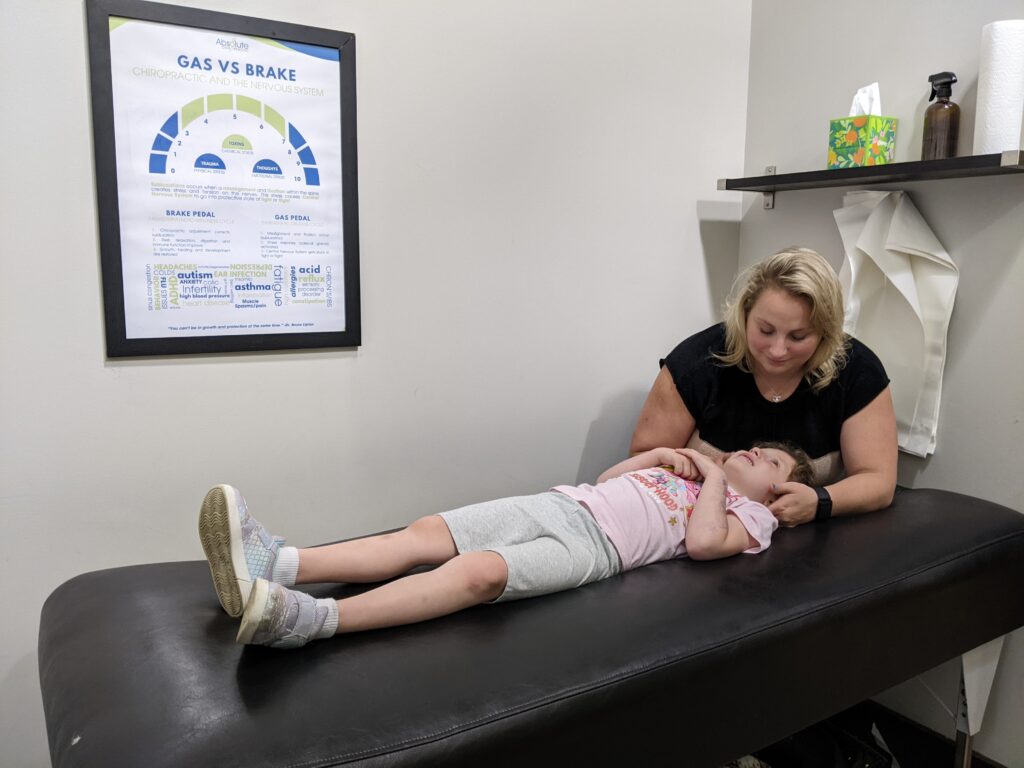
Signs That Nervous System Stress Is Causing Reflux and Colic, And Why Relief in Wall Township NJ Matters
Many families seeking reflux and colic relief in Wall Township NJ notice changes once nervous system stress is reduced through gentle chiropractic care.
You may notice:
Arching their back
Clicking or gulping during feeds
Spit-up after almost every feeding
Fussiness when lying flat
Gas, bloating, or straining
Short naps or constant crying
Tension in the body, stiff posture
Difficulty turning head equally
Struggling to settle no matter what you do
These aren’t “just colic.”
They’re signs your baby may be uncomfortable and overwhelmed.
Why Reflux Is Often Worse at Night
Reflux symptoms often become more noticeable at night, and there’s a reason.
Digestion, swallowing, and calming are all regulated by the autonomic nervous system, especially the vagus nerve. When this system is under stress, babies may struggle to coordinate breathing, swallowing, and digestion smoothly.
Tension in the upper neck, cranial bones, or jaw can interfere with vagus nerve signaling. This may affect how well the esophagus closes, how pressure is managed in the digestive tract, and how easily a baby can relax after feeding. which is why many families seek reflux and colic relief in Wall Township NJ through nervous-system focused care.
When babies lie flat, these challenges become harder to compensate for, leading to spit-up, arching, coughing, or frequent waking.
Rather than being an acid issue alone, reflux is often a coordination issue.
When the nervous system feels calmer and more organized, digestion becomes more efficient, pressure decreases, and babies are better able to settle, both during feeds and at night.
What a Reflux & Colic Visit Looks Like
1. We start by listening.
No rushing. No judgment. Just understanding.
2. We gently examine your baby’s cranial system, upper neck, and nervous system.
3. We explain everything in simple, reassuring language.
4. We use gentle, calming adjustments, no popping or twisting.
5. We create a personalized plan for your baby’s digestion, sleep, and comfort.
Our goal is always:
A calmer baby.
A more confident parent.
Finally, some peace.
The Connection Between Reflux, Colic & Tongue-Tie
This does not always mean tongue-tie.
But tongue-tie and cranial tension often go together.
We work alongside your IBCLC, pediatric dentist, or feeding specialist so nothing is left unanswered.
Related Pediatric Support
For a complete approach, visit:
Stories From Local Families
“My baby finally stopped screaming after feeds.”
“They explained everything. I finally felt understood.”
“The arching is almost gone.”
“I can lay my baby down without a meltdown now.”
You Don’t Have to “Wait It Out”
You’ve probably heard:
“They’ll grow out of it.”
“Some babies are just colicky.”
“It’s normal for babies to cry this much.”
But deep down, you know something isn’t right.
Trust that instinct.
Your baby isn’t trying to be difficult, they’re trying to tell you they need help.
We’re here to listen. We’re here to help.
Frequently Asked Questions
Can chiropractic care really help baby reflux and colic?
Yes. Gentle chiropractic and cranial care focuses on calming the nervous system, reducing tension in the upper neck and cranial system, and improving coordination between feeding, digestion, and settling.
Is chiropractic care safe for babies with reflux?
Yes. Pediatric chiropractic care uses extremely gentle techniques designed for newborns and infants. Many babies relax deeply during care.
Is reflux normal in newborns?
Some spit-up can be normal as digestion develops. What’s not normal is ongoing discomfort, frequent arching, feeding struggles, coughing, or poor sleep. These signs suggest your baby may need support.
How soon will we see changes?
Many parents notice improvements within the first few visits, though every baby is different.
What if my pediatrician said they’ll “grow out of it”?
Babies don’t grow out of tension patterns. They grow around them. Early support can make feeding and settling easier.
Why does my baby arch when trying to sleep?
When the body feels stuck in a stressed state, settling can be hard. Arching is a common sign of tension at the diaphragm, upper neck, and cranial areas that affect swallowing, digestion, and comfort.
How is reflux connected to tongue-tie or feeding issues?
Reflux often overlaps with oral tension or tongue-tie. Difficulty coordinating suck-swallow-breathe can increase air intake and digestive stress. Supporting feeding mechanics can reduce reflux symptoms.
Why does my baby arch their back?
Arching is often a sign of discomfort or nervous system stress. Chiropractic helps reduce this tension.
Why does my baby arch during breastfeeding?
This often shows up when feeding feels uncomfortable, reflux, gas, oral tension, or difficulty coordinating suck-swallow-breathe can all make a baby pull away or arch back.
Why does my baby throw themselves backward?
Sudden backward extension is a sign of discomfort, frustration, or tension in the nervous system. It’s especially common in babies with reflux or difficulty settling.
My baby is spitting up in their sleep, is that normal?
Spitting up can happen as the digestive system matures, but frequent spit-ups, coughing, or gagging during sleep can signal reflux or trouble coordinating digestion.
Why does my baby bury their face in my arm?
Many babies do this to find comfort, regulate themselves, or relieve tension in their neck or jaw. It can also be a sign that they’re trying to get pressure off certain areas of the head.
Why does my baby scream in their sleep?
Nighttime crying or “dream screaming” can come from digestive discomfort, trapped gas, or a nervous system stuck in alert mode.
What causes a newborn’s high-pitched squeak?
Grunting, squeaking, or high-pitched sounds often come from tension around the airway, throat, or diaphragm. It’s common, but it’s worth paying attention to if it comes with reflux or feeding struggles.
