
When you’re living with Crohn’s disease in New Jersey, it can feel like your entire life revolves around flare cycles, stress triggers, and trying to predict what kind of day your body is going to give you.
Most adults tell us the same thing:
“Some days I can handle life. Other days… everything falls apart.”
“I’ve been told to manage stress, but no one tells me how or why it matters.”
“My flare-ups feel random. But deep down, I know they’re not.”
“I understand the inflammation part. I don’t understand the why today and not yesterday part.”
What you’re feeling is real.
And there is a reason behind the chaos.
The part most Crohn’s patients in NJ never hear about is this:
Your gut and your brain are in constant communication — and the way your nervous system handles stress has a major influence on flare patterns, inflammation, pain sensitivity, and motility.
This is why digestive and gut health is often closely connected to how the nervous system is functioning.
This article won’t offer medical treatment or cures.
But it will give you clarity — the kind you’ve been missing.
Let’s walk through what’s actually happening inside your body, in a way that finally makes sense.
Most Crohn’s Patients in NJ Get the Same Explanation — But Not the Full Story
When adults are diagnosed with Crohn’s, the conversation usually focuses on:
inflammation
immune system overactivity
medications to reduce flare intensity
dietary adjustments
long-term management
All of that is important.
All of that matters.
But it’s not the whole picture.
Because for most people, there’s a pattern:
Symptoms worsen during stressful seasons
Flares cluster around overwhelm, lack of sleep, or emotional strain
Digestive discomfort hits harder during high-pressure moments
Symptoms calm when life calms
And yet… most people never have someone explain this simple truth:
Crohn’s affects the gut. But the gut is controlled by the nervous system.
For many adults, chronic stress and autoimmune patterns can make the body feel more reactive and harder to regulate.
If the system that regulates digestion is overloaded, it can make inflammation cycles feel more unpredictable — even when nothing else in your routine has changed.
Your Gut Is an Extension of the Nervous System
Your digestive system doesn’t act independently.
It responds to signals from the brain — especially through the vagus nerve.
Here’s what that means in real life:
When your nervous system is calm:
digestion is smoother
inflammation is easier for your body to regulate
gut motility is more predictable
the immune response is steadier
pain sensitivity is lower
When your nervous system is stressed:
the gut tightens
inflammation becomes more reactive
motility either slows down or becomes erratic
pain sensitivity increases
your immune system becomes more “trigger-happy”
If you’ve ever said,
“I can feel my gut clench when I’m stressed,”
that isn’t emotional — it’s biological.
Why New Jersey Adults With Crohn’s Experience “Random” Flares
Nothing about your body is random.
Most Crohn’s patients who think their symptoms are unpredictable eventually learn their body has patterns — nobody ever taught them how to see them.
Symptoms often spike when:
you’re under pressure at work
you’re not sleeping well
your mind is racing
your body is tense
you’re running on empty
you’re juggling too much
unresolved stress builds up quietly
That’s because the nervous system:
controls gut motility
influences inflammatory signaling
regulates immune activity
filters pain
coordinates digestion
responds to stress faster than you can “think” about it
Once you see this connection, your experience starts to make sense instead of feeling random and overwhelming.
How the Vagus Nerve Fits Into the Crohn’s Puzzle
The vagus nerve is like a communication superhighway between your brain and your digestive system.
When it’s functioning well:
inflammation is easier to regulate
digestion is more coordinated
your body handles stress better
pain signals feel less intense
But when it’s stressed or overwhelmed, everything feels more reactive.
Many adults with Crohn’s also notice:
increased bloating
more frequent discomfort
harder recoveries from flares
low resilience to stress
more rapid symptom swings
These are classic signs of a nervous system struggling to keep up.
Where Our Office Comes In — And Where It Doesn’t
At Absolute Chiropractic:
❌ We do not treat Crohn’s disease.
❌ We do not replace your GI doctor or medications.
❌ We do not diagnose digestive conditions.
What we do is support the part of your body that influences your symptoms more than most people realize:
The nervous system that regulates inflammation, gut motility, and stress response.
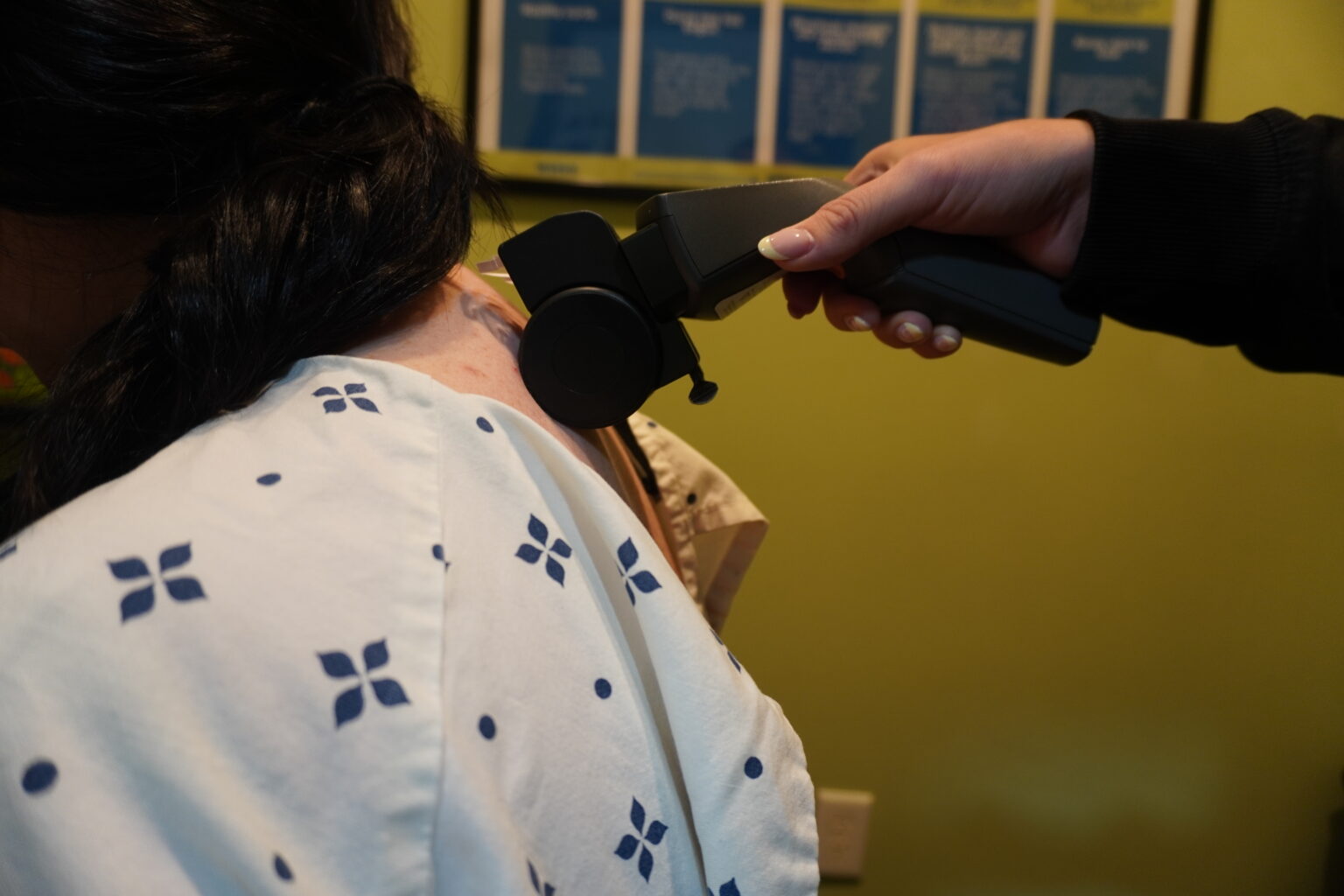
Our care approach is based on gentle nervous system-based chiropractic care designed to support better communication throughout the body.
Our gentle, precise neurological care can help:
calm an overactive stress response
support the vagus nerve
improve communication between the brain and digestive system
reduce overall tension
help your body adapt and recover more efficiently
When the nervous system becomes more balanced, many adults report:
fewer stress-triggered flares
more predictable digestion
less abdominal tightness
better sleep
improved energy
reduced “background tension”
a greater sense of control over their body
Not because we treat Crohn’s — but because we help stabilize the system Crohn’s interacts with.
Why This Approach Matters for New Jersey Adults
New Jersey is packed with top-tier specialists — yet so many Crohn’s patients still feel:
unheard
overwhelmed
dismissed
confused
exhausted
and stuck in a cycle they don’t understand
Most people have never had someone take the time to explain the gut–brain relationship in a way that brings clarity.
But once you understand your body through this lens, things finally stop feeling random.
You can see the patterns.
You can feel the changes.
You can anticipate your triggers.
And you can actually take steps that help your body stay calmer and more steady.
Related reading: IBD and the nervous system and IBS and the brain-gut link.
If You’re Reading This, You Deserve Clarity — Not Guessing
Crohn’s disease already takes enough from you.
Your peace of mind shouldn’t be one of those things.
If you’ve been searching for answers…
If you’ve felt like your symptoms don’t make sense…
If stress, overwhelm, or exhaustion seem to control your gut…
We’re here to help you understand what your body is trying to tell you.
Bring your story. Bring your questions.
We’ll walk you through the rest — one clear step at a time.
