
If you’re searching for a “lip and tongue tie specialist near me,” you’re not alone. Many parents feel overwhelmed trying to figure out whether their baby needs a revision, bodywork, lactation support, or all of the above.
Feeding challenges can make everything feel urgent — and when you’re tired, worried, or in pain from difficult feeds, you want clear answers right away.
The good news?
There is a clear way to understand what your baby needs, and it starts long before scissors or a laser ever enter the conversation.
Let’s break this down in a way that finally makes sense.
A Tongue Tie Is More Than a Frenulum — It’s a Whole-Body Pattern
Parents often think a tongue tie is just about the little string under the tongue.
But tongue ties affect much more than that.
A tongue tie can create:
tension in the jaw
tightness in the neck
pressure through the cranial bones
difficulty coordinating suck–swallow–breathe
trouble opening the mouth wide
stress on the nervous system
reflux-like symptoms
air intake and gas
This is why babies with oral restrictions often also struggle with:
clicking
shallow latch
popping off the breast
long feeds
frustration at the breast
preferring one feeding position
uneven head shape
difficulty lying comfortably
A frenulum alone doesn’t explain all of that — but the tension pattern behind it does.
Why Bodywork Is Often the First Step
Before you see any tongue tie specialist, the baby’s body needs to be prepared.
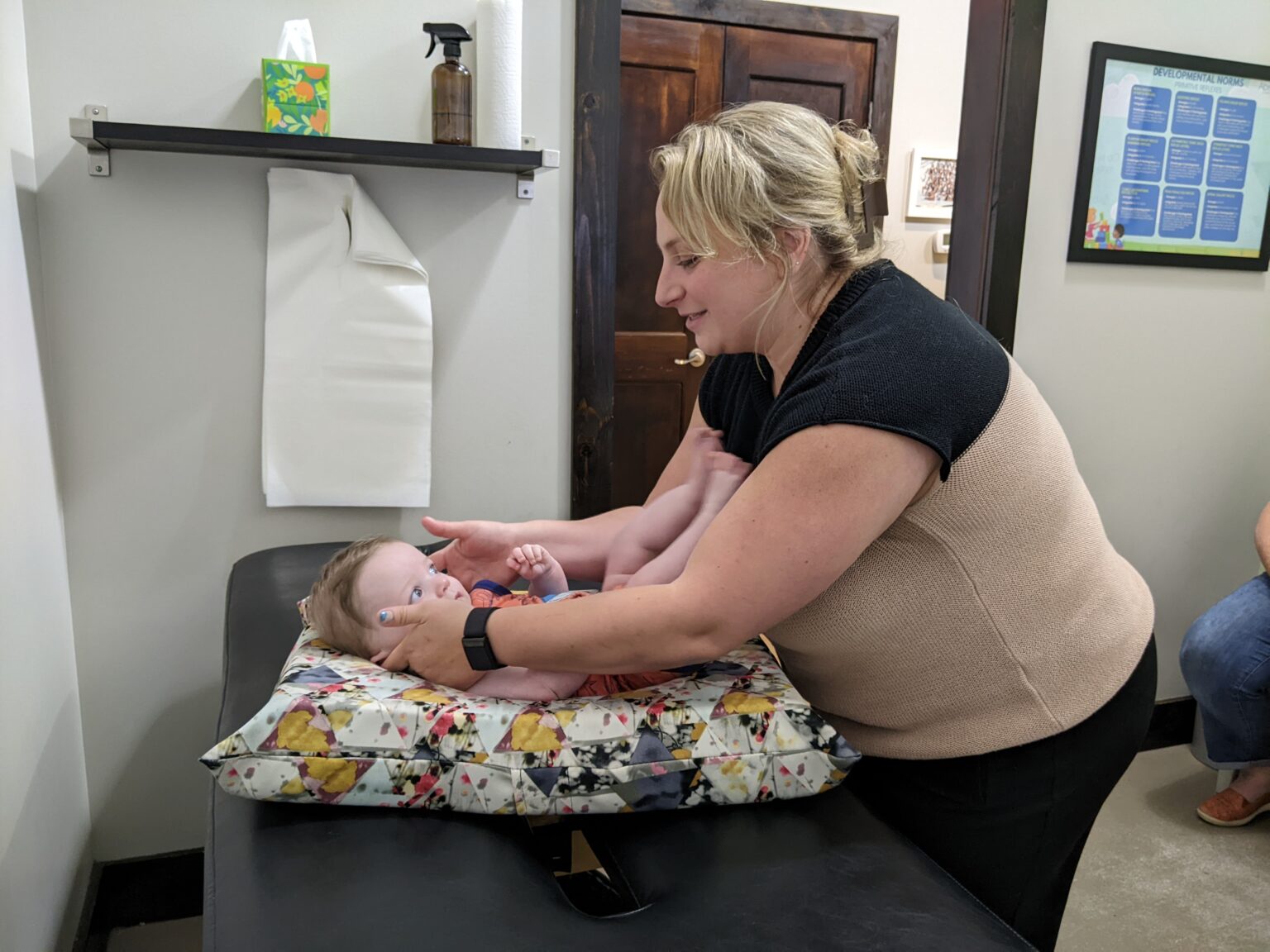
Gentle chiropractic and cranial work help:
release tension around the jaw
support easier mouth opening
reduce tightness through the neck
improve tongue mobility
ease pressure through the palate
soften strain from birth
calm the nervous system
support better latch and suction
If the baby goes straight to a revision without addressing these patterns, the tongue may be “freed,” but the rest of the system stays stuck.
This leads to:
reattachment
ongoing feeding trouble
painful latching
difficulty coordinating swallowing
frustration for parents
Bodywork makes revisions more effective and sometimes even unnecessary.
When a Revision Is the Right Choice
A revision may be helpful when:
the tongue truly cannot elevate or extend
the baby cannot latch deeply even after bodywork
swallowing is consistently difficult
milk transfer is significantly limited
mom is experiencing significant pain
the restriction is both functional and structural
But even then, the baby will still need:
pre-release bodywork
post-release bodywork
oral motor exercises
good follow-up care
Releasing a frenulum without addressing function is like loosening a tight shoelace but never teaching the foot how to walk comfortably again.
Understanding the Difference Between “Specialist,” “Provider,” and “Bodyworker”
Parents get confused because several professionals can be involved in tongue tie care:
Tongue Tie Revision Specialist
A pediatric dentist, ENT, or pediatrician trained to perform tongue and lip tie releases.
Lactation Consultant (IBCLC)
Supports latch, milk transfer, feeding mechanics, and maternal comfort.
Chiropractor/Cranial Practitioner
Helps release tension patterns that affect tongue movement, jaw function, head shape, and feeding coordination.
Babies often need all three — but not always at the same time.
Bodywork often comes first because it sets the foundation for everything else.
Signs Your Baby May Need Bodywork Before a Revision
Reach out for bodywork if your baby:
pops on and off the breast
struggles to open wide
has a strong side preference
arches or stiffens during feeds
has a flat spot or head shape change
shows clicking or loss of suction
has reflux-like symptoms
gets easily frustrated at the breast or bottle
swallows air during feeds
struggles to settle or regulate
These are signs of a full-body tension pattern — not just an oral restriction.
Signs Your Baby May Need a Revision After Bodywork
Consider a revision if:
latch remains shallow
milk transfer is still limited
mom is in ongoing pain
baby fatigues quickly while feeding
tongue mobility is still significantly limited
the frenulum is functionally still restrictive
Your provider or IBCLC will help guide this decision with you.
What Parents Often Notice After Bodywork
Many families see improvements within the first phase of care:
calmer feeds
deeper latch
less clicking
better suction
less air intake
easier head turning
more relaxed body language
more comfort lying flat
Some babies improve enough that revision isn’t needed.
Others do both and see the best results that way.
You Don’t Need to Choose Alone — Your Baby Deserves a Team
Searching “lip and tongue tie specialist near me” can feel overwhelming.
But the solution isn’t choosing one person or one approach — it’s building the right order of care.
Bodywork → Functional improvements → Revision (if needed) → Follow-up support.
This gives babies the best chance for:
comfortable feeding
healthy development
calmer regulation
long-term success
If you’re unsure where your baby fits or what the next step should be, we’re here to walk through it with you — gently, clearly, and without pressure.
