
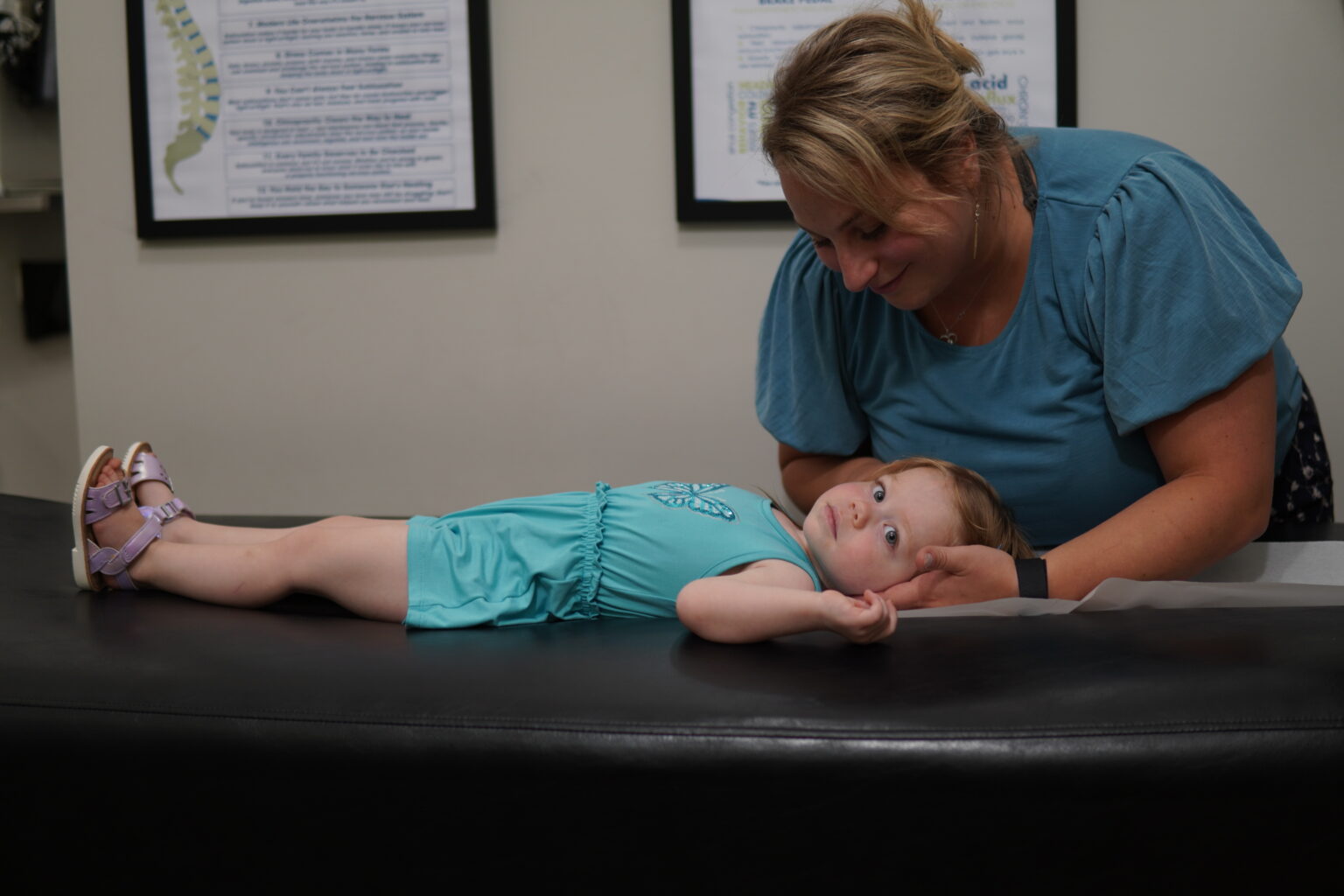
When parents notice uneven head shape, a strong side preference, or tension in their baby’s neck or jaw, they often start hearing terms like “cranial alignment” or “cranial balance.” It can sound technical, but it’s actually a simple idea:
Cranial alignment is about how comfortably and freely a baby’s head moves and how well the bones of the skull work together.
It’s not about forcing the head into a shape.
It’s not about pushing bones around.
It’s about helping your baby feel more at ease in their body — especially during feeding, sleep, and growth.
Let’s break it down.
Babies’ Heads Are Designed to Move — Not Stay Rigid
A baby’s skull is made of several bones connected by soft seams (sutures). These seams allow the head to:
mold during birth
expand for brain growth
adjust to different positions
absorb pressure from everyday movement
These bones are meant to have subtle, healthy motion.
When this motion gets restricted — from position in the womb, birth strain, tension, or a strong side preference — the head can appear asymmetrical or “out of alignment.”
Cranial alignment isn’t about making the head perfect.
It’s about helping it move the way it was designed to.
What Causes Cranial Misalignment or Uneven Motion?
Parents often notice:
a flat spot on one side
baby always turning one direction
difficulty lying comfortably
fussiness during tummy time
one cheek looking fuller
latch issues
jaw tightness
trouble opening wide for feeding
These can be related to:
pregnancy positioning
a long or fast labor
vacuum or forceps use
tongue tie or oral tension
reflux discomfort
neck or upper-body tightness
spending more time on one side while sleeping
These patterns are common — and they are not your fault.
What “Cranial Alignment” Really Means
Cranial alignment refers to:
how freely the bones of the head move
how easily baby can turn their head both ways
how comfortable baby feels lying on their back or tummy
how balanced the muscles of the neck and jaw are
how the head grows and adapts over time
When these systems are working well, babies:
feed more comfortably
tolerate tummy time better
sleep more easily
develop more evenly
reduce flattening and side preference
settle and regulate more smoothly
It’s less about “alignment” and more about comfort, movement, and balance.
Internal link suggestion text for your VA:
link to Baby Head Shape Page
How Gentle Cranial Work Supports Cranial Alignment
Cranial work for babies uses extremely light pressure — usually no more than a fingertip — to help ease restrictions around the:
upper neck
jaw
cranial sutures
base of the skull
palate
diaphragm
This gentle work helps the head move comfortably in all directions and reduces the tension patterns that limit motion.
Most babies relax, soften, or fall asleep during these contacts. Parents often say:
“I didn’t realize how tight she was until she finally let go.”
What “Cranial Alignment” Really Means
Cranial alignment refers to:
how freely the bones of the head move
how easily baby can turn their head both ways
how comfortable baby feels lying on their back or tummy
how balanced the muscles of the neck and jaw are
how the head grows and adapts over time
When these systems are working well, babies:
feed more comfortably
tolerate tummy time better
sleep more easily
develop more evenly
reduce flattening and side preference
settle and regulate more smoothly
It’s less about “alignment” and more about comfort, movement, and balance.
How Gentle Cranial Work Supports Cranial Alignment
Cranial work for babies uses extremely light pressure — usually no more than a fingertip — to help ease restrictions around the:
upper neck
jaw
cranial sutures
base of the skull
palate
diaphragm
This gentle work helps the head move comfortably in all directions and reduces the tension patterns that limit motion.
Most babies relax, soften, or fall asleep during these contacts. Parents often say:
“I didn’t realize how tight she was until she finally let go.”
Why Cranial Alignment Matters for Feeding and Oral Function
Cranial motion affects the tongue, jaw, and palate — which directly impacts feeding.
Babies with cranial restrictions may:
struggle to latch deeply
tire quickly at the breast
swallow air
pop off repeatedly
have high palate tension
show signs similar to reflux
Cranial alignment helps restore comfort and mobility so feeding can become smoother and more coordinated.
How Chiropractic Supports Cranial Alignment
Chiropractic care helps babies:
release neck and upper-body tension
turn their head comfortably both ways
reduce arching
settle more easily
regulate their nervous system
unwind patterns from birth
Because the spine and nervous system influence everything else, chiropractic often enhances the benefits of cranial work.
This combined approach helps babies not only move better — but feel better.
Signs Your Baby May Benefit From Cranial Alignment Work
Reach out if you notice:
uneven head shape
a strong side preference
baby looks “tighter” on one side
latching difficulties
reflux symptoms
arching or stiffening
trouble lying flat
unhappiness during tummy time
clicking or swallowing air during feeds
These are all signs of tension patterns cranial work can help ease.
Cranial Alignment Helps Babies Move, Feed, and Grow Comfortably
Cranial alignment isn’t about forcing anything into place.
It’s about helping your baby’s head, neck, and nervous system work together the way they were meant to.
When the body feels balanced, feeding becomes easier, sleep improves, and babies develop with more comfort and confidence.
If you’re noticing head shape changes, feeding tension, or movement difficulties, we’re here to help you understand what’s going on — and what’s possible.
