
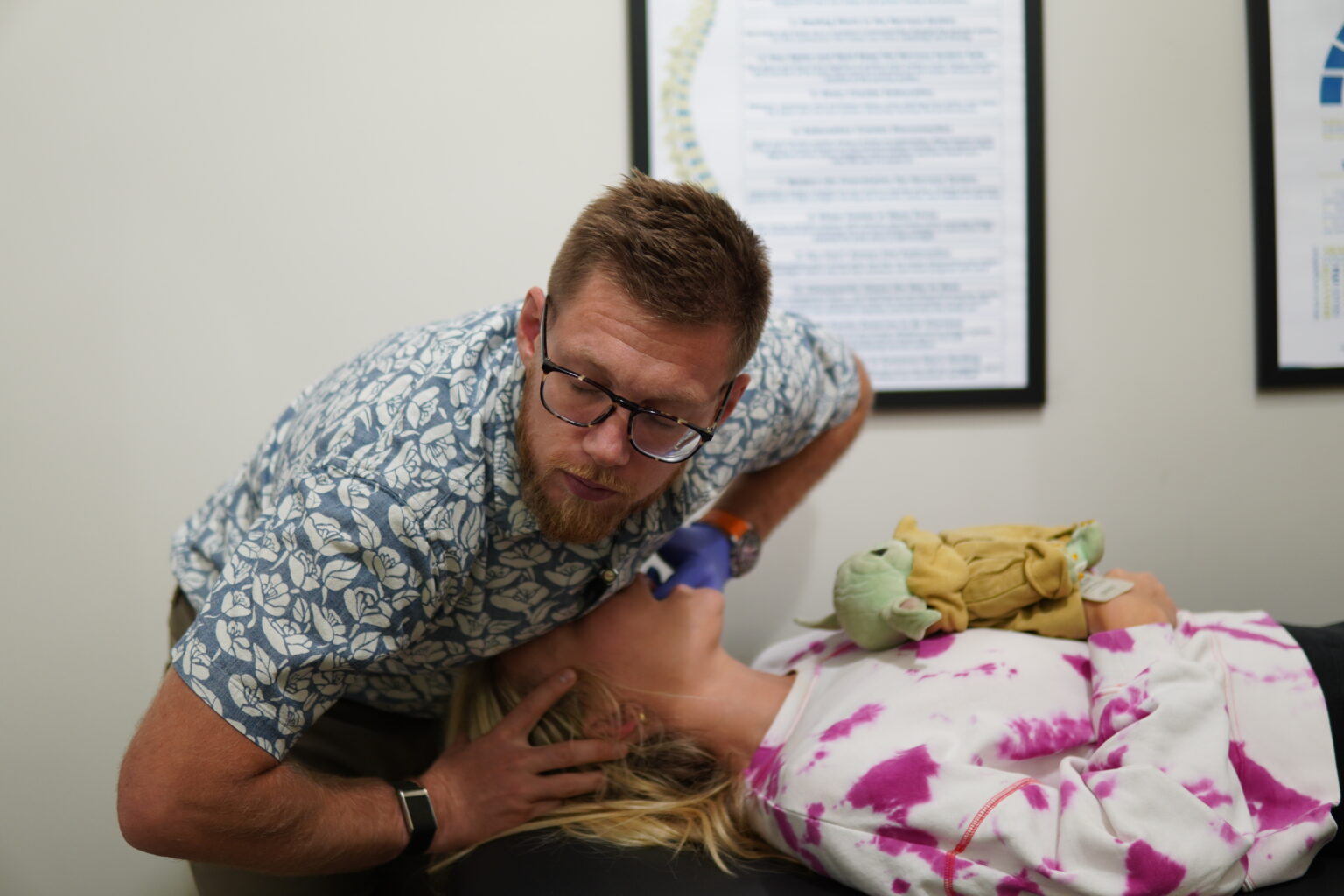
A Different Approach to TMJ Relief in Wall Township, NJ
If you’re searching for TMJ relief in Wall Township, NJ, you’re probably dealing with more than jaw pain. Most TMJ cases involve upper neck tension, cranial strain patterns, and a nervous system stuck in fight or flight. That is why the jaw keeps guarding even after night guards and injections.
Gentle, neurologically based chiropractic + advanced cranial care for jaw pain, clicking, clenching, headaches, and facial tension.
If you are dealing with jaw pain, tension headaches, clenching, or clicking when you eat or speak, these are patterns worth taking seriously. Most people with TMJ disorder have already seen a dentist, tried night guards, or even gone through injections… yet the pain always returns. TMJ is rarely just a jaw problem. For most people, it is a nervous system problem. When the structures of your jaw, neck, and cranium lose balance, they send constant stress signals to your brain. The result? Tightness, fatigue, and a body that never truly relaxes. You deserve care that actually gets to the root of what is happening.
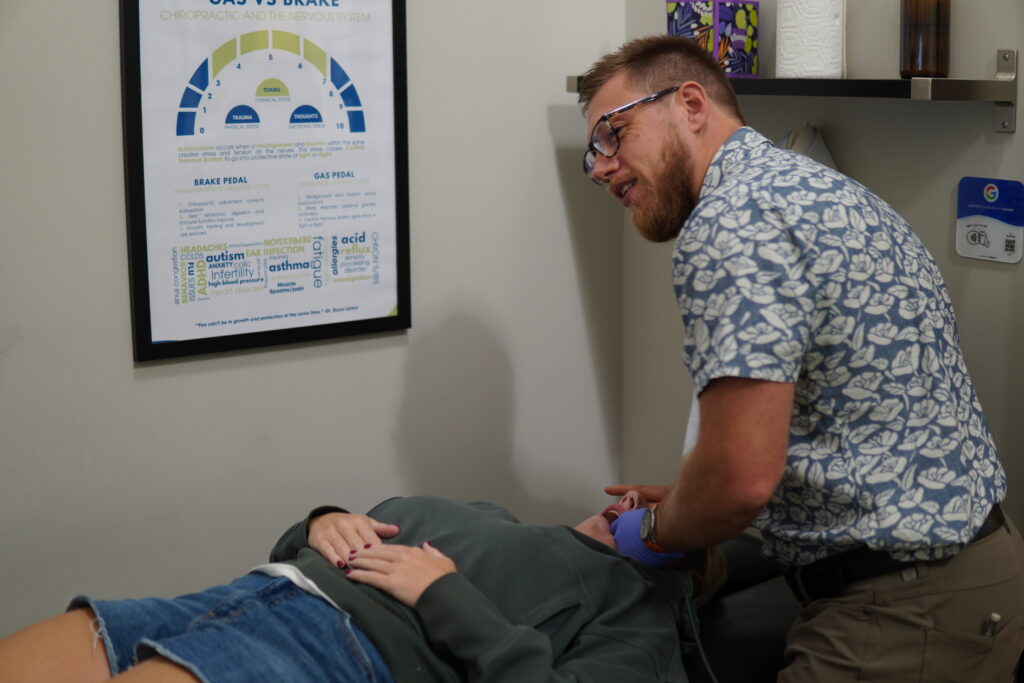
Why Traditional TMJ Care Often Falls Short
Night guards can protect your teeth, but they don’t address the reason you’re clenching.
Massage might give temporary relief, but not lasting change.
Even standard chiropractic may help your neck but miss the cranial connections that drive jaw mechanics.
To break the TMJ cycle, you need care that restores balance between your jaw, cranium, and nervous system at the same time.
Read more: How to tell what’s causing jaw pain and the key differences between TMJ vs muscle tension.
Our Advanced Approach to TMJ Relief
1. Chiropractic Adjusting for Structural Balance
Gentle, specific adjustments release tension through the neck and upper spine. These are the same areas that feed the nerves controlling your jaw.Restoring this alignment relieves pressure on the muscles and joints that have been overworking for years.2. Cranial Work for Jaw and Skull Alignment
The “T” in TMJ stands for the Temporal bone one of the cranial bones that directly influences jaw motion. Our doctors perform advanced cranial adjustments (craniopathy) to restore subtle motion in the bones of the head and face. This reduces compression, balances the bite naturally, and allows the temporomandibular joint to move smoothly again.3. Neurological Regulation for Lasting Relief
Because the jaw is wired directly into the body’s fight or flight centers, chronic TMJ tension often keeps your nervous system stuck in stress mode. Through precise, calming adjustments, we help your body shift back toward rest and digest, so the muscles of your jaw and your entire body can finally let go. Read more about how stress drives the clenching patternWhy Patients Travel for This Level of Care
Our TMJ care integrates chiropractic and advanced cranial work performed by some of the only certified craniopaths in the world.
Every adjustment addresses the joint and the entire neurological network that controls it with precision you can feel.
People who have been through years of care that did not fully resolve their symptoms often tell us this is where things finally shifted.
“After two months of care, I stopped waking up with headaches. I can eat without pain, and for the first time in years my jaw actually feels relaxed.”
Common TMJ Symptoms We Help
- Jaw pain, clicking, or popping
- Clenching or grinding (especially at night)
- Headaches or facial tension
- Ear pressure, ringing, or dizziness
- Neck pain and upper shoulder tightness
- Limited opening or jaw locking
- Postural imbalance or chronic fatigue
If you are not sure whether your symptoms are related to TMJ, a TMJ chiropractic evaluation can help clarify the pattern.
The Result: Calm, Comfortable, Connected
- Easier breathing and swallowing
- Better sleep
- More balanced posture
- Less stress and anxiety
Experience the Absolute Difference
Whether your TMJ started from years of clenching, a dental procedure, or the aftermath of stress and tension, meaningful improvement is possible. It starts with restoring balance in the areas that have not been addressed yet.
No twisting, no popping, no guesswork. Precise, gentle adjustments that help your body remember how to function naturally again.
If your jaw has been clicking, locking, or aching, a TMJ evaluation can help you understand what is driving the pattern and what to do about it.
learn about our TMJ care approach
What does a TMJ chiropractor do?
A TMJ focused chiropractor looks at more than just the jaw. We look at how the upper neck, cranial bones, and nervous system work together to control the muscles that help your jaw open, close, and stay relaxed.
Parents and adults often tell us they finally feel heard and understood because we do not rush or dismiss what you are feeling. We look for the true source of the tension.
How is a TMJ chiropractor different from a regular chiropractor?
We work with the spine, cranium, jaw mechanics, and the nerves that control them.
TMJ pain is rarely “just a jaw problem.” It’s almost always tied to:
Upper neck tension
Cranial strain
A dysregulated nervous system
Muscle guarding from stress or clenching
Our approach is gentle, precise, and neurologically based.
Do you treat TMJ without cracking my neck?
Yes. Most of our TMJ work is light, specific, and gentle, especially around the upper neck, jaw, and cranial structures.
Many patients come in nervous from past experiences and leave saying they felt calm, safe, and relieved.
Can chiropractic help TMJ?
Yes, especially if your TMJ symptoms come with:
Jaw clicking or popping
Face pressure
Ear fullness or ringing
Neck pain or headaches
Grinding/clenching
Pain when chewing
These are often signs that the nerves and muscles controlling the jaw are stressed or overloaded.
By calming your nervous system and releasing tension patterns around the jaw and upper neck, TMJ symptoms often ease quickly.
What is a “jaw chiropractor”?
A “jaw chiropractor” is simply someone who specializes in the TMJ, upper cervical spine, and cranial system.
We evaluate how everything connects — because the jaw doesn’t move on its own.
If the upper neck is stressed, the jaw muscles tighten.
If the cranial bones are restricted, the TMJ becomes overloaded.
This whole body perspective is why many patients say, “No one has explained this to me before.”
What is a TMJ chiropractic specialist?
A TMJ specialist is a chiropractor with advanced training in:
Cranial adjusting
TMJ mechanics
Nervous system regulation
Muscle and ligament tension patterns
Stress related jaw dysfunction
We work with people who have seen dentists, ENTs, PTs, and bite guard specialists but still do not feel better.
Our goal is to help you understand why the jaw keeps locking, clicking, or tightening, and to finally address it.
Do you offer craniosacral therapy for TMJ?
We offer a more advanced, chiropractic based version of craniosacral work.
It’s gentle, light, calming, and focused on the way the cranium, jaw, and upper neck influence the nervous system.
Patients often describe the sessions as:
“So gentle but incredibly relieving”
“Like my jaw finally let go”
“The first time I understood what was happening with my body”
This is especially helpful for:
TMJ tension
Clenching
Stress related jaw pain
Ear pressure or fullness
Facial asymmetry
Headaches
Do you treat TMJ related neck pain?
Yes. TMJ and neck pain go together more often than people realize.
When the jaw is stressed, the upper neck muscles overwork to compensate, which can lead to:
Burning or tightness in the neck
Headaches
Shoulder tension
Restricted movement
Most patients say they feel relief not just in the jaw, but through the entire neck and head once the nervous system finally calms down and the jaw stops guarding.
How do you know if my TMJ is coming from my neck or my jaw?
We take the time to listen and then evaluate both, because they are almost always connected.
We look at:
Jaw movement
Muscle tension around the TMJ
Upper neck mobility
Cranial strain patterns
Stress related clenching
This helps us understand the exact source of your symptoms so you’re not just guessing anymore.
How soon will I feel relief?
Many people feel a shift in the first few visits, especially with jaw tension, clenching, and upper neck muscle guarding.
The biggest wins patients share with us include:
Less jaw tightness
Fewer headaches
Better sleep
Less “face pressure”
Calmer nervous system
More ease with chewing or talking
Everyone heals at their own pace, but you will always understand what we are doing and why.
Do you work with dentists, ENTs, or PTs for TMJ cases?
Yes. Many of our families come to us after trying several approaches. We regularly coordinate with dentists, PTs, ENTs, IBCLCs, and mental health providers when needed.
We coordinate care openly.
Just making sure you finally get the answers and relief you’ve been looking for.
Do you treat kids or teens with TMJ?
Yes, gently and safely.
We see teens with stress related clenching, grinding, headaches, and jaw tension all the time.
Kids feel safe here because the care is gentle, calm, and never forceful, and parents appreciate that everything is explained step by step.
What are the most common signs of TMJ issues?
Jaw tension vs jaw tightness — is there a difference?
Yes. “Tightness” is what you feel. “Tension” is the nervous system holding that tightness on purpose because something feels unstable or irritated. That’s why massages and stretches can help short term, but the tightness comes right back for some people.
Can TMJ cause headaches or migraines?
It can. The jaw, temples, neck, and cranial system are mechanically connected. When the jaw is overloaded, the surrounding muscles and nerves can get irritated and headaches become more frequent or more intense.
Can TMJ cause ear pressure, ringing, or dizziness?
Why do I clench my jaw at night?
What happens during a TMJ evaluation in your office?
We start by listening (what you feel, when it started, what makes it worse). Then we check jaw motion, bite mechanics, neck/upper cervical tension patterns, and cranial involvement because TMJ is rarely “just the jaw.”
Do you help kids or teens with jaw issues?
Yes. We see jaw clicking, clenching, headaches, airway/sleep patterns, and tension based symptoms in younger patients too. The approach is gentle and age appropriate.
Areas We Serve
Delivering Quality Chiropractic Care Near You
Families seeking TMJ relief in Wall Township, NJ often find us after months or even years of unanswered questions. Whether you’re dealing with chronic jaw pain, clenching from stress, tension headaches, or clicking that won’t resolve, our approach starts by listening and understanding how your nervous system, jaw, and cranial structures are working together.
