If you’re looking for a tongue tie chiropractor in NJ, you’re likely searching for answers to feeding challenges that haven’t resolved yet.
Feeding your baby shouldn’t feel stressful, painful, or confusing — but for many families, a suspected or diagnosed tongue or lip tie turns feeding into one of the hardest parts of early parenthood.
Parents tell us things like:
“My baby wants to feed, but they can’t stay latched.”
“I hear clicking with every suck.”
“Feeding takes forever and still feels uncomfortable.”
“We’re exhausted, and nothing is improving.”
“Everyone tells me something different, and I don’t know what to do.”
Tongue and lip ties can be overwhelming, but you don’t have to navigate them alone.
We’re here to support your baby’s comfort, feeding, and development with gentle, whole-body care that addresses far more than just the frenulum.
If you’re searching for a tongue tie chiropractor in Wall NJ, you’re likely looking for answers that actually help feeding feel easier and less stressful.
Understanding Tongue & Lip Ties Beyond the Frenulum
How a Tongue Tie Chiropractor in NJ Supports Feeding
Most people see a tie as a simple tissue restriction — but it’s actually part of a much bigger picture.
Babies need:
A mobile tongue
A coordinated suck–swallow–breathe rhythm
A relaxed jaw
Cranial bones that move freely
A calm nervous system
Equal range of motion on both sides of the body
When tension is present in the neck, jaw, or cranium, it can make a tie appear tighter… and make feeding much harder.
Parents often notice:
Clicking or losing suction
Shallow latch
Milk leaking or dribbling
Popping on/off the breast
Reflux, gas, or frequent spit-up
Fussiness or arching
Gagging, coughing, or choking during feeds
Long feeds with a sleepy, tired baby
For moms: pain, cracked nipples, blocked ducts, or low milk supply
A tie may be part of the reason — but underlying tension and nervous system stress are just as important.
How Chiropractic & Cranial Work Help Babies With Tongue & Lip Ties
How a Tongue Tie Chiropractor in Wall NJ Supports Feeding
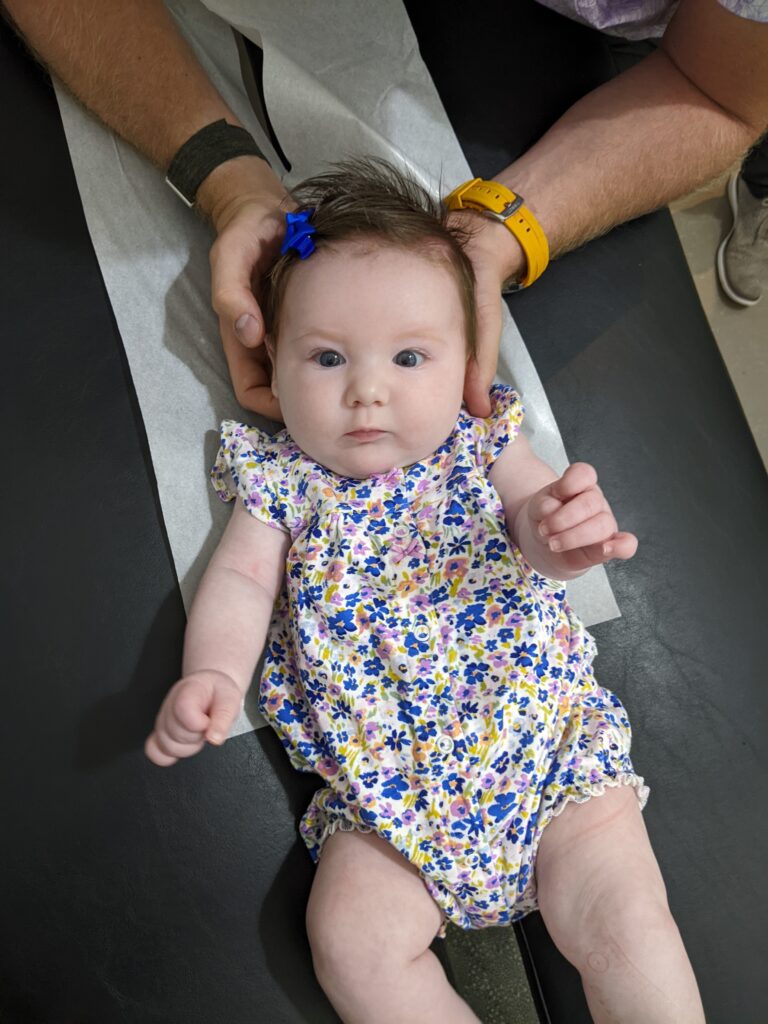
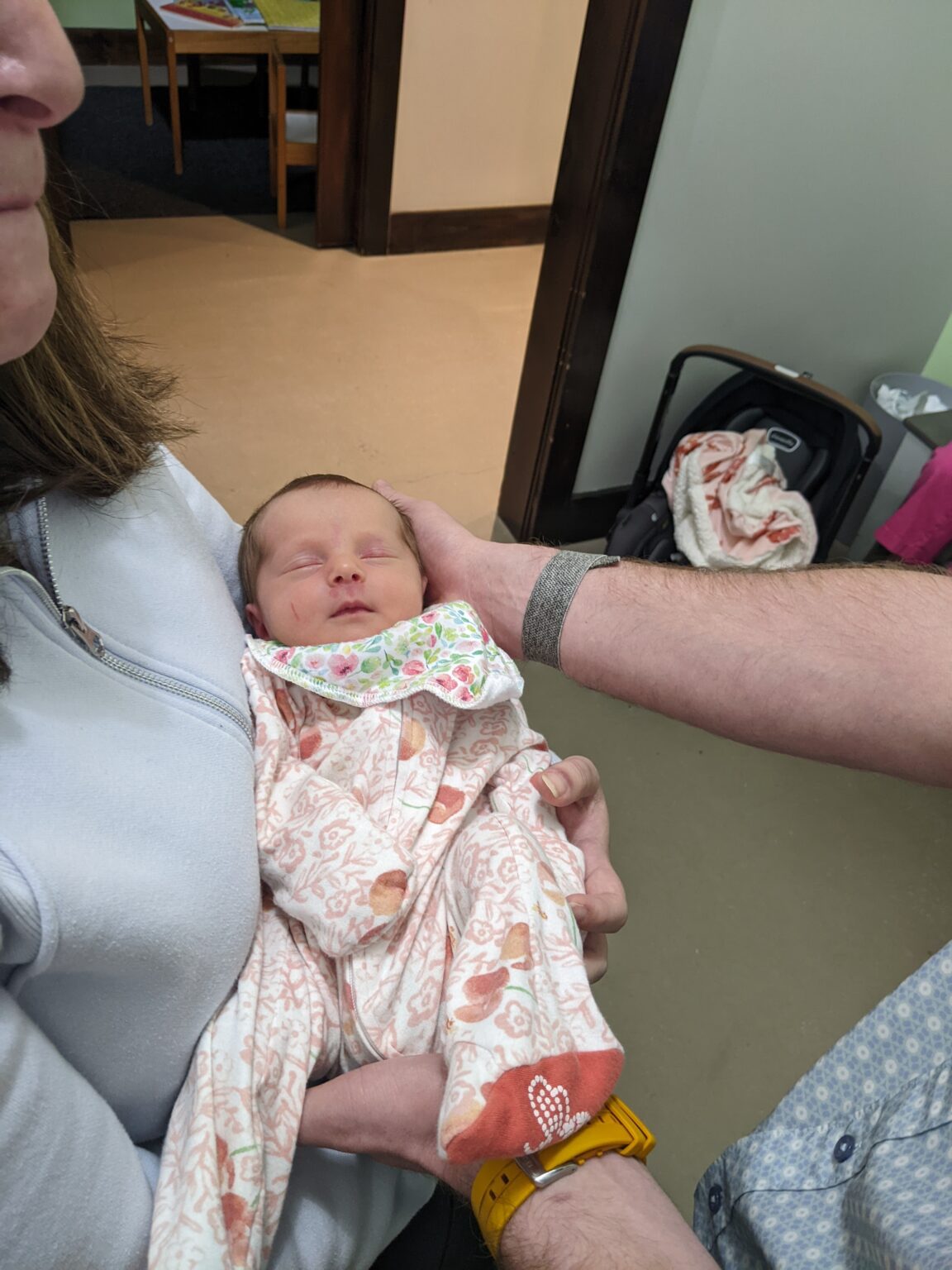
As a tongue tie chiropractor in NJ, our focus is helping the jaw, neck, and cranial system relax so feeding can improve naturally.
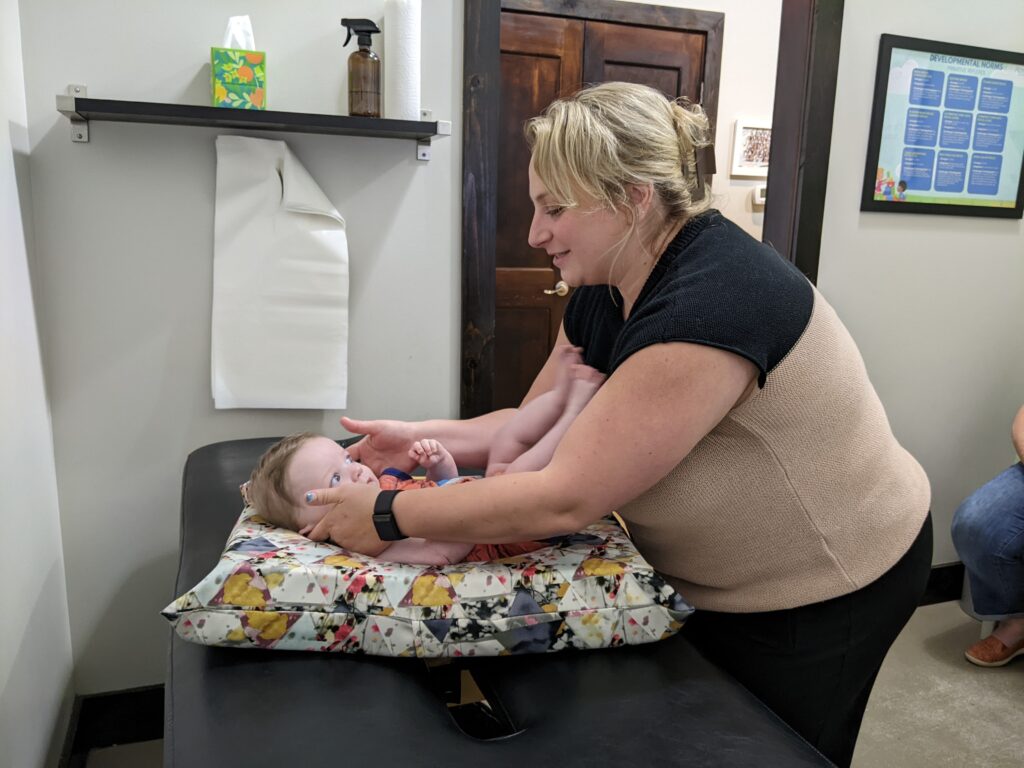
Our approach is gentle, safe, and focused on helping the entire feeding system work together.
We support your baby through:
✔ Gentle pediatric chiropractic adjustments
Calm the nervous system, improve body balance, and support feeding stamina.
✔ Specific cranial work (craniopathy)
Release tension in the jaw, palate, maxilla, temporal bones, and upper neck — all crucial for tongue mobility and latch depth.
✔ Improved tongue movement & coordination
We help the tongue lift, extend, cup, and move more freely.
✔ Suck–swallow–breathe integration
Babies feed better when their nervous system feels calm and organized.
✔ IBCLC-informed feeding support
Because we understand how oral function, maternal comfort, and cranial mechanics all connect.
When these systems are working well together, babies often:
Improve latch depth
Feed more efficiently
Take in less air (reducing reflux and gassiness)
Sleep more peacefully
Stay more relaxed and connected at the breast or bottle
Some babies improve dramatically with chiropractic and cranial care alone — while others still benefit from a tie revision.
Either way, supporting your baby’s body makes the entire process easier.
When a Tie Revision Might Be Needed
When a Tongue Tie Chiropractor NJ Recommends Additional Support
We never pressure families toward a frenectomy.
Instead, we help you understand:
How well your baby’s tongue is functioning
Whether tension is restricting mobility
If a tie is contributing to feeding problems
Whether cranial work alone may resolve the issue
When a release may be recommended
If a revision is needed, pre- and post-release care are essential.
Before a revision, we help:
Improve tongue mobility
Reduce jaw and cranial tension
Make the frenulum easier to access
Prepare the nervous system for new movement
After a revision, we help:
Reduce soreness and tension
Improve tongue elevation and cupping
Support optimal healing
Retrain feeding patterns for long-term success
Parents often say:
“After chiropractic care, my baby finally felt comfortable in their body. Feeding became calmer and easier.”
Signs Your Baby May Need Support (Tie or No Tie)
You may notice:
-
Difficulty staying latched
-
Clicking or noisy feeds
-
Fussiness at the breast or bottle
-
Reflux, spit-up, or excessive gas
-
Shallow latch or painful breastfeeding
-
Falling asleep quickly while feeding
-
Constant feeding without satisfaction
-
Difficulty turning head evenly
-
Tension in the body or jaw
-
Arching, stiff posture, or restlessness
Whether or not your baby has a diagnosed tie, these are signs your baby needs support.
What Your First Visit Looks Like
1. We start by listening.
Your story matters — and you’ll never feel rushed or dismissed.
2. Gentle cranial and neurological evaluation.
We check tension patterns in the jaw, neck, cranium, and body.
3. Oral function screening.
We assess the tongue, lips, cheeks, palate, and suck reflex.
4. Feeding, breathing, and organization assessment.
5. Clear explanation and personalized plan.
No pressure, no confusion — just compassion and clarity.
Related Pediatric Support (Internal Links)
Stories From Local Families
“My baby finally latched deeply and comfortably.”
“The clicking and reflux disappeared.”
“They explained everything so clearly. I finally felt supported.”
“This was the missing piece. Feeding is peaceful now.”
A Place Where You’ll Feel Heard & Supported
Tongue and lip ties come with a lot of pressure, opinions, and conflicting advice.
Here, you’ll find:
-
Compassion
-
Clarity
-
Gentle care
-
A plan that makes sense
-
A team that supports your goals
You don’t have to figure this out alone.
We’re here to give you answers — and help your baby feel comfortable in their body again.
Do all babies with tongue or lip ties need a revision?
No. Many babies feed comfortably after tension in the cranial system, jaw, and neck is addressed.
Can chiropractic help before a tongue-tie release?
Absolutely. Pre-release care improves tongue mobility and reduces tension, leading to a more successful procedure.
Do you help after a frenectomy?
Yes. Post-release care helps your baby heal, retrain movement, and feed more comfortably.
Can you help if I’m unsure whether my baby really has a tongue tie?
Yes. We evaluate function, not just appearance — and we explain everything clearly.
Is this safe for newborns?
Yes. Our care is extremely gentle. Most babies relax or fall asleep during their visit.